
Details
- Australia
- MACEMS-17
- Graduate
- WS 2025
- Time spent at the partner university: 4 months
- Contact: Login to see contact information
The preparation for the exchange includes three things: The visa, the enrollment, and the flight. First things first, the student visa, which I was required to get, is very, very expensive, as it costs 2000AUD (1200-1300EUR). However, the application process is very straight forward, and the processing time, if everything was entered correctly, very fast. For an example, I got my visa grant email before i got my visa application confirmation email. The visa grant is required for enrollment, which, in our case, was managed by the CEMS office at USYD with very clear instructions onto which documents to submit. Since the visa is required for this step, do not wait too long with obtaining the visa. When it comes to flights, there are comfortable but expensive, and somewhat comfortant but cheaper options. The first category are flights from Vienna or Munich (depends on where you live) by Lufthansa or Austrian Airlines. A cheaper option is the low-cost carrier Scoot, a sub-division of Singapore Airlines. While they are cheap and "get the job done", one must decide for themselves which level of comfort they are looking for at a 2x10h flight. Another option are flights from Budapest Airport, which can be reached by a 3h FlixBus ride (tickets 10-30EUR). From there, you can take flights with China Eastern, China Southern, Air China,... which offer similar comfort to aforementioned airlines at a significantly lower price. However, take note that transfers are usually in China Mainland, where immigration might be necessary. Make sure to be up to date for any visa requires, and organize a VPN as Whatsapp, Instagram and co do not work in China.
For accommodation, there are generally two options: organized by USYD, and organized by yourself. Accommodation organized by USYD (https://www.sydney.edu.au/study/accommodation.html) offers proximity to the campus, a vibrant international community, and "dorm feeling", with options ranging from affordable (in Sydney terms) to expensive. The downsides are rigid length of stays (no refund at earlier checkouts), somewhat peculiar fees (acceptance fee, checkin fee, cleaning fee, termination fee,...), and remoteness from the CBD. While i did not pick USYD's accommodations, colleagues also mentioned the lack of grocery shopping options around the premises. Self-organzied housing can be found in Facebook groups, or on flatmates.com.au. As many good offers ask for a minimum time of stay, the earlier an offer is accepted the better. Advantages include flexiblity regarding location, sometimes significantly cheaper deals than USYD accommodation, and flexibility regarding length of stay. Disadvantages may include payment risk due to no official parties involved, and no option for viewing when organizing the accomodation from remote. Also take note that prices are usually annotated weekly, and paid fortnightly.
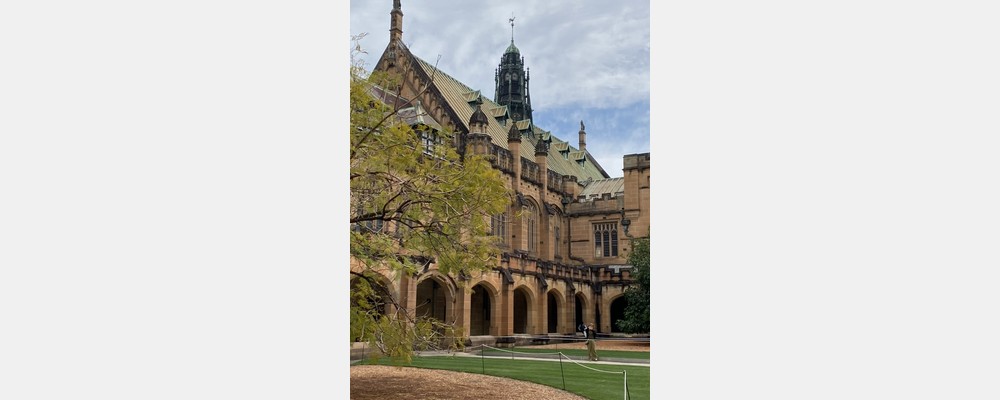
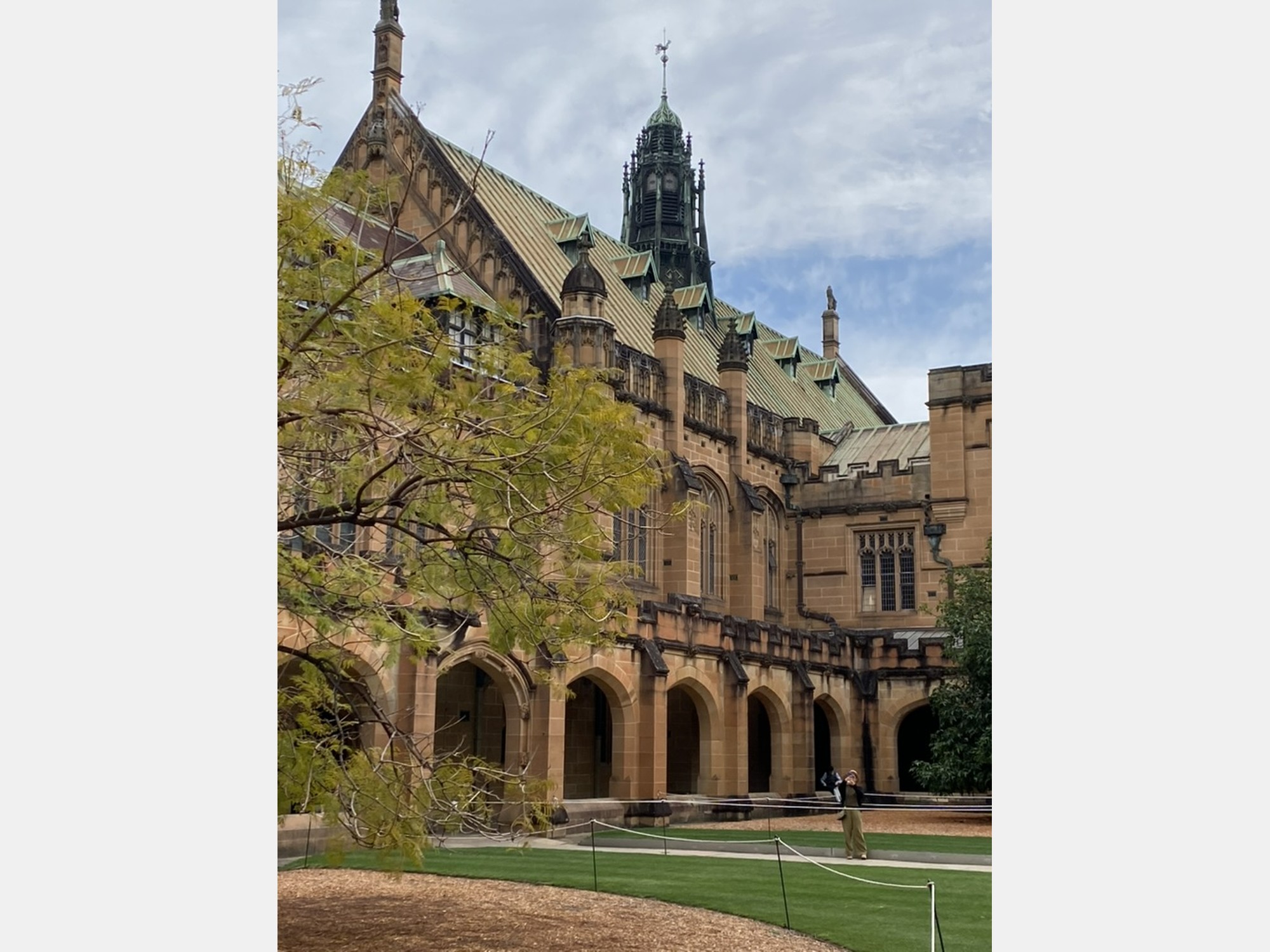
USYD offers a huge variety of student clubs (https://usu.edu.au/clubs/). Also, with Sydney Uni Sport, the uni offers tennis courts, an olympic sized swimming pool, and modern gym facilities. The university itself is a "all-rounder" university, which its area is significantly bigger than WU's, with some instituted being scattered around the city. The teaching style is very much applied. While WU follows more of a "let's develop a great theory and then see if it works in the real world", USYD follows a "Let's try first and then see what we can learn by it". For me personally, the latter suited me better, which is why i very much enjoyed USYD's teaching style. The highlight of my semester was definitely "Export Management", which teaches you step by step how to find a product, choose a foreign market and sell it there, which lecture content ranging from macrolevel like trade institutions to microlevel like which paperwork to fill out.
for the entire exchange
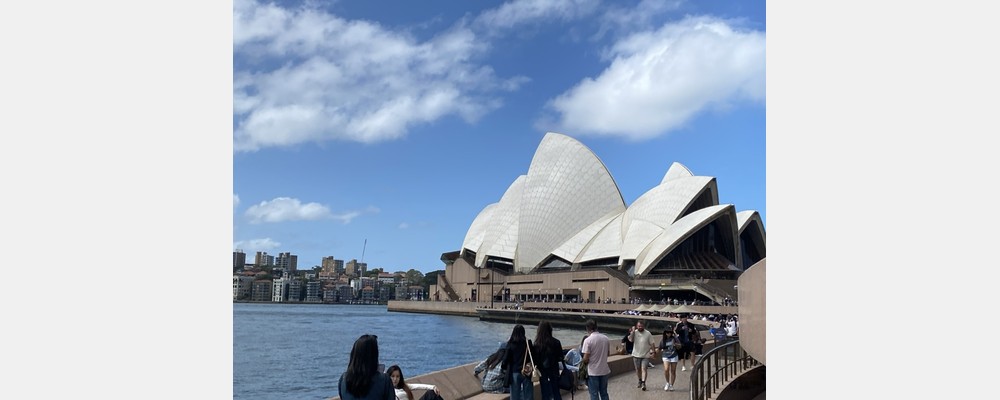
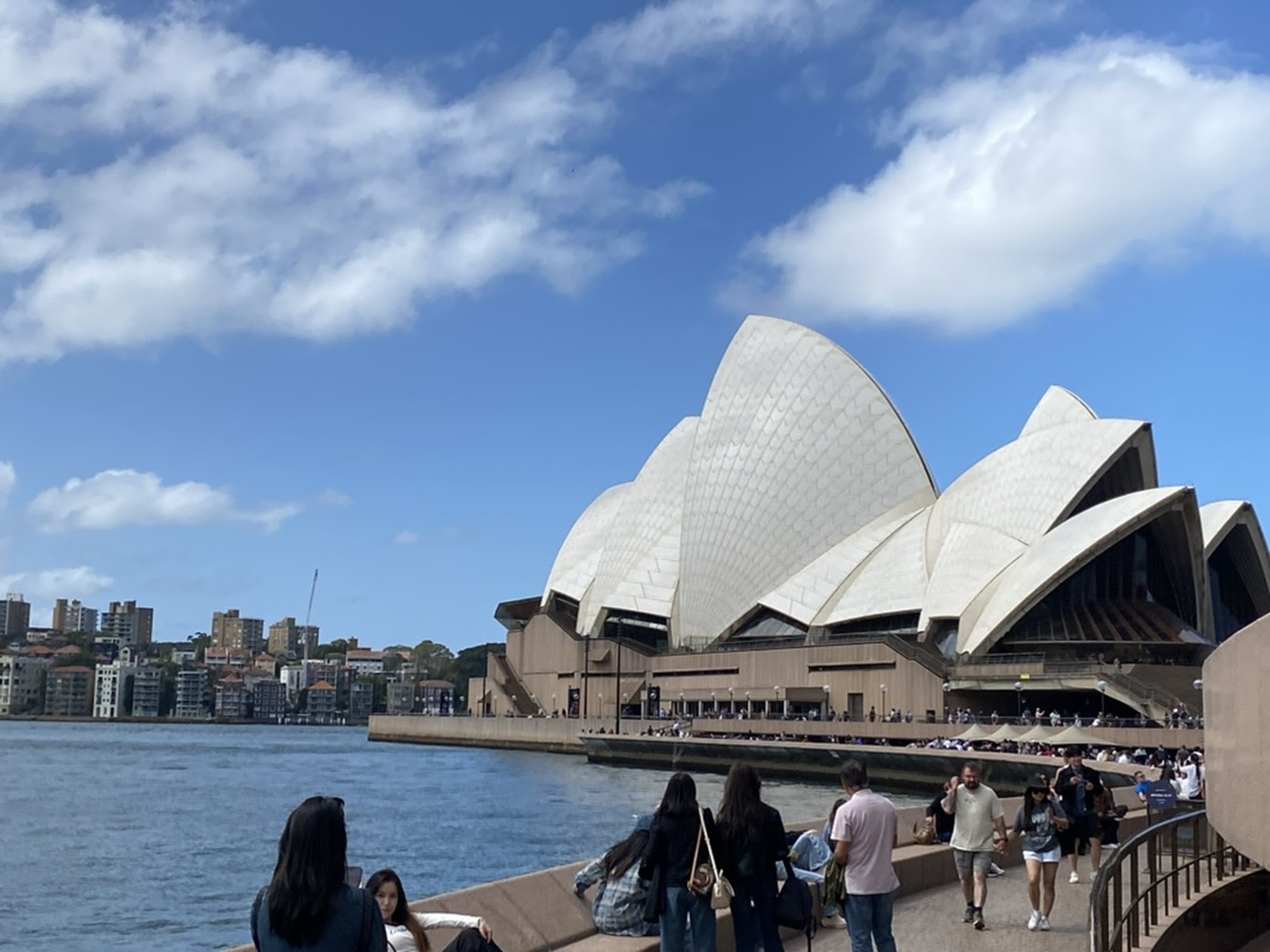
Life in Australia is great. It is laid-back, people are friendly, and the weather is usually warm and sunny, even in winter. The public transport is good, even though i still prefer Vienna due to Sydney's lack of subways and trams. The public transport network is very bus and train heavy, which experiences frequent delays. The country is very active, 6 AM run clubs, daily swimming sessions at the beach, and hikes around the city are on the daily agenda. Also, thanks to the Sydney Uni Sport facilities, you can easily connect through sports with other students, often studying a variets of subjects like physics, medicine or mechanics. In general, as male, Sydney CBD and its surrounding areas always felt very safe for me, even at night. However, there are reports that this feeling of safety may decline towards western parts of the city, though I did not experience and thus can not comment on that.
The exchange with USYD was a quite an experience. The lectures, life in Sydney, and the relaxed atmosphere were the highlights of my time abroad, however, the relatively high cost of living forced me to make significant sacrifices, especially when it comes to traveling around Australia and indulging in more extracurricular activities. Nevertheless, I primarily think about the amazing life there and the friendships I made, and I look back on that time with gratitude. This experience taught me a lot about myself, which I will benefit from for the rest of my life.