
Details
- China
- MAMark-21
- Graduate
- WS 2025
- Time spent at the partner university: 4 months
- Contact: Login to see contact information
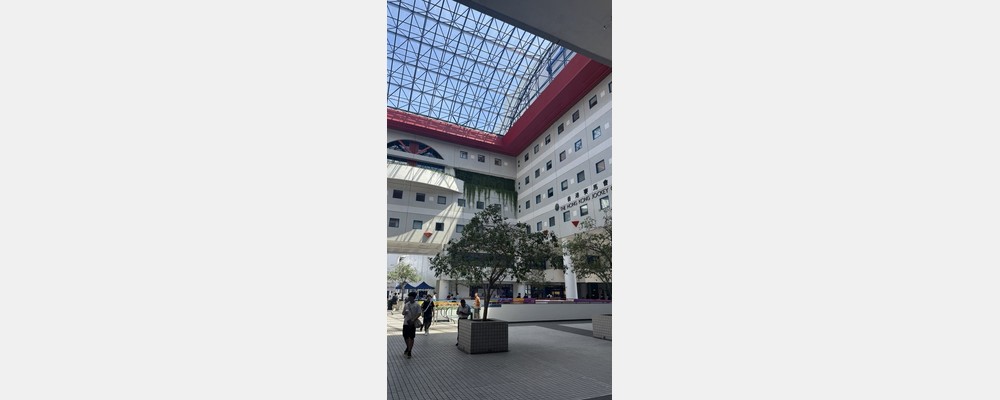
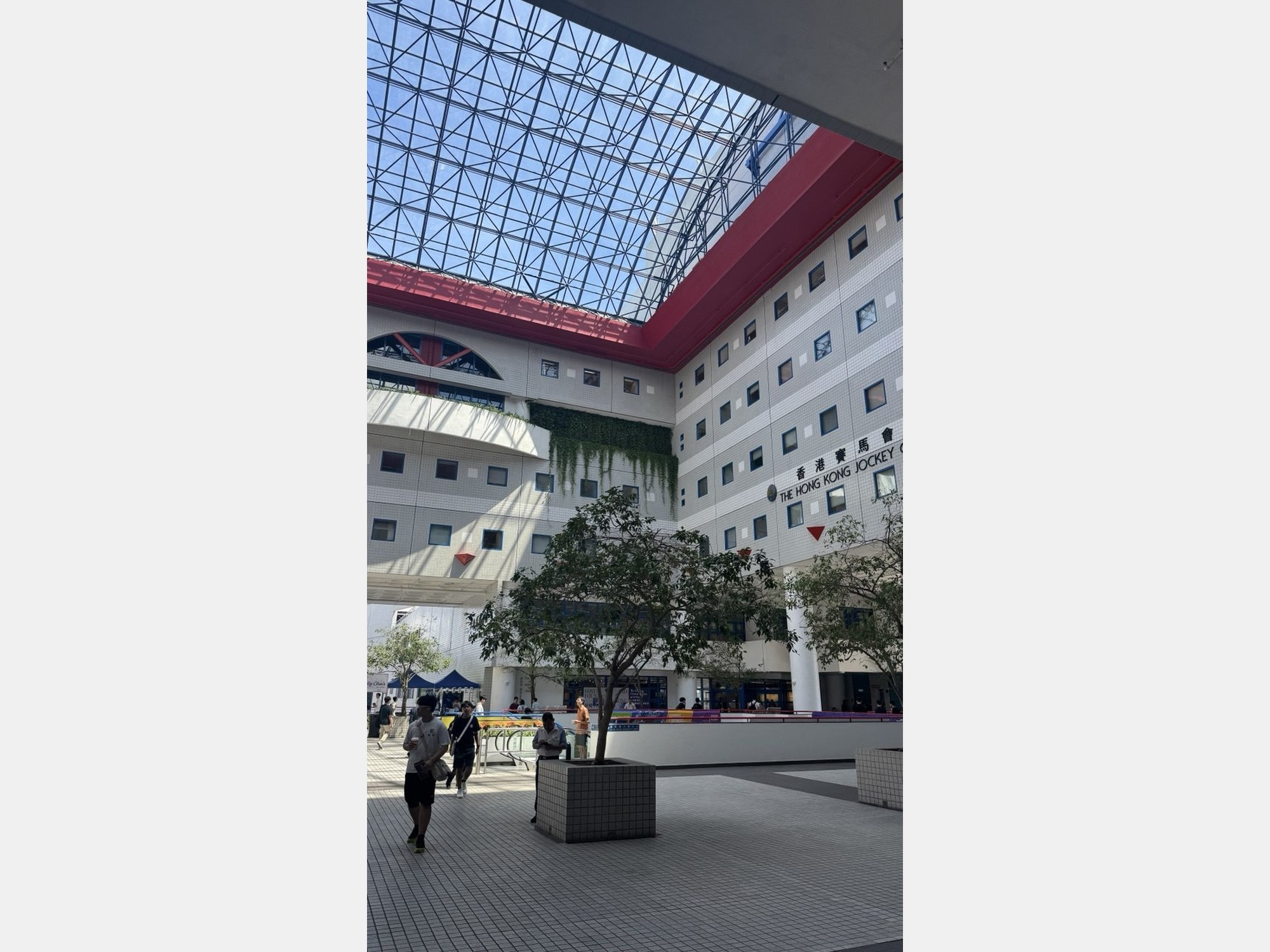
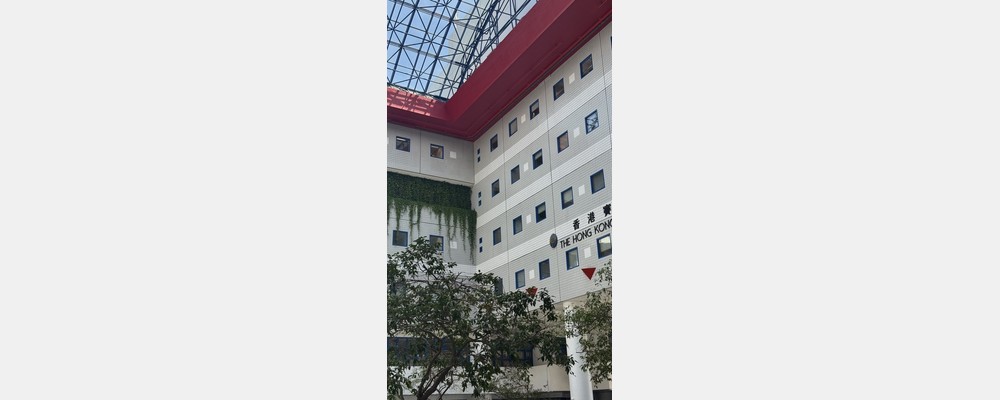
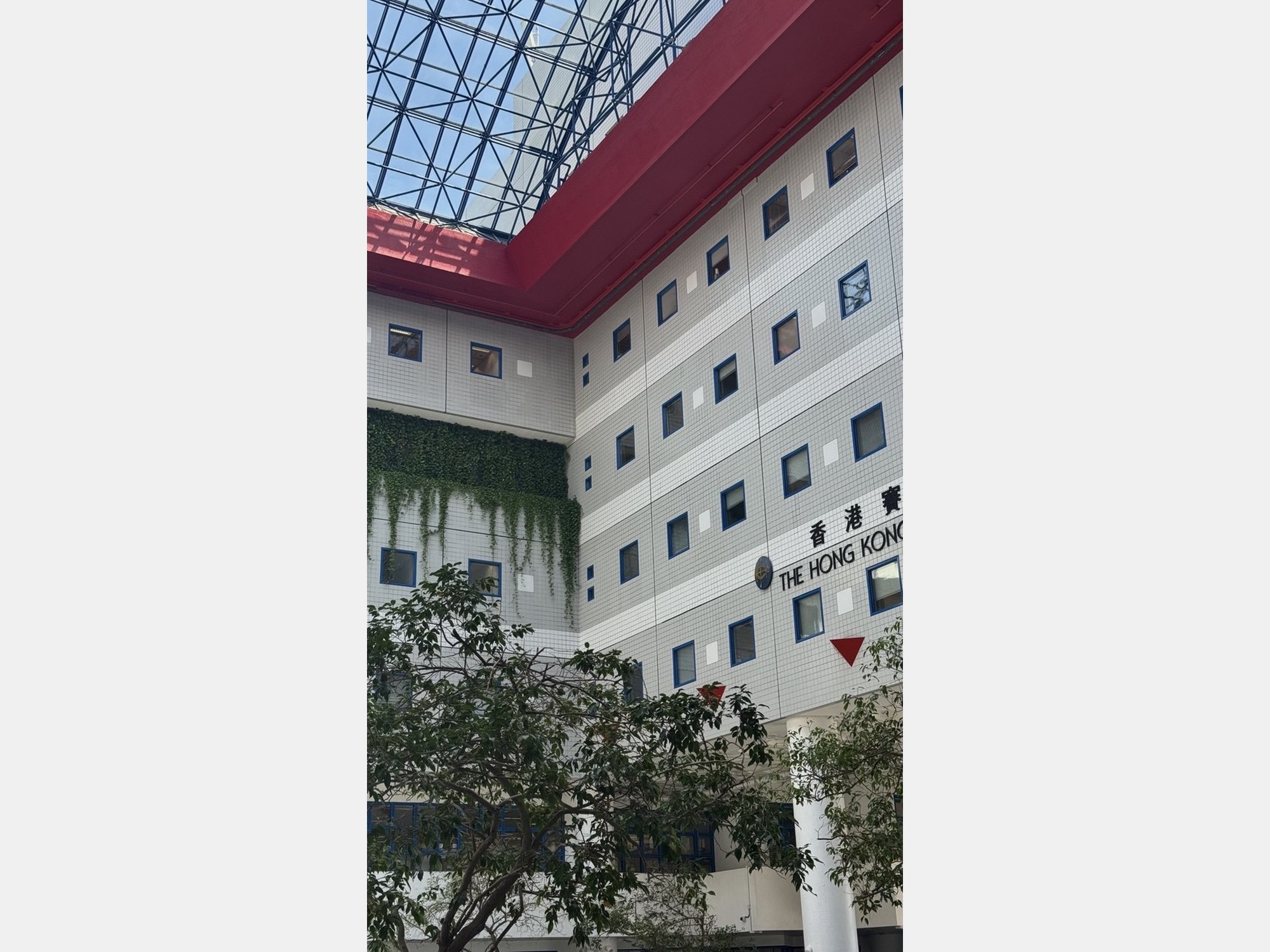
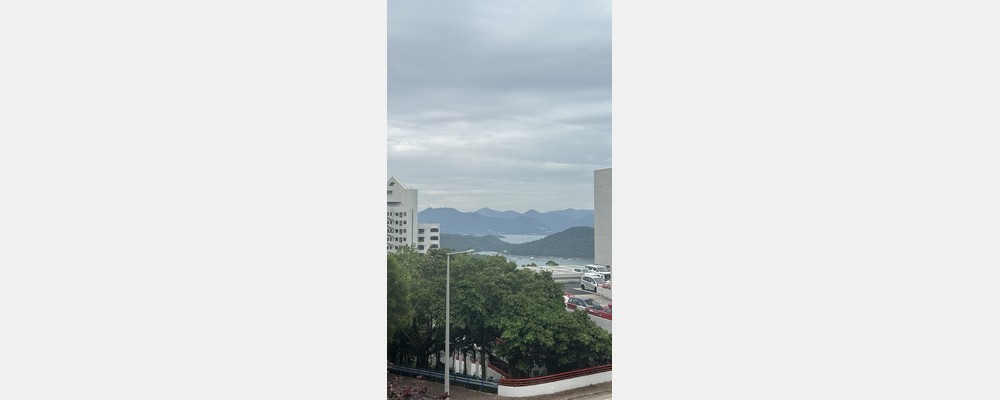
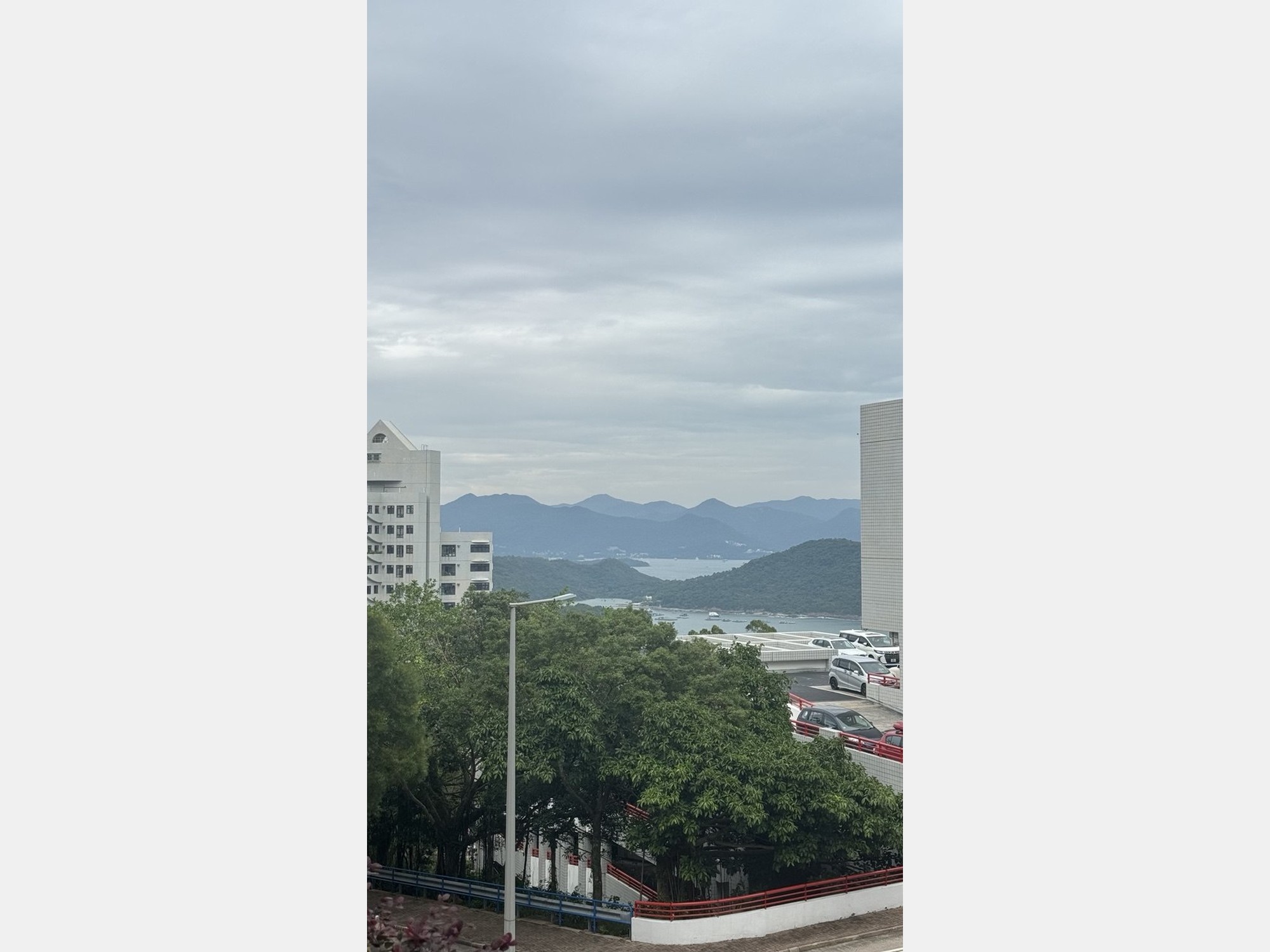
Please read exchange reports when making your choices regarding the partner university - there is useful info that might help you shape your choice. Read about the life in general in those cities (especially if it is Asia), the weather, humidity levels, all the basic things that expats have to adapt to. Familiarize yourself with any restrictions that might be in place in different countries (like if some services or apps might not be available without VPN) and have a clear picture of what to do with them before you arrive. In case if you chose Hong Kong (HKUST in particular): The visa application goes pretty smoothly - you just need to submit all the required documents first online (in an email format to the HKUST office) and then also send them physically to Hong Kong via mail. No personal visits to the consulate or any visa offices is needed. The issue time of the visa also takes not so long, around 1-2 months. And on average, the earlier the submission the better (in terms of the processing speed). Attend all uni-organized meetings before the start of the semester, because their registration platform is a bit tricky and you will need time figuring it out. HKUST has very good international office that answers super fast. In case if there are any difficulties with anything related to your exchange, you can always text them.
There exist some local websites for the accommodation search (as well as listings on Facebook marketplace), but in order to not overcomplicate the whole procedure, I was renting through Airbnb. I lived in a shared apartment with 2 other students (we found the accomodation together) and the price per room ended up being ~1000 eur/month. This is still considered a very good price, as I believe other students who ended up renting through student residences were paying ~30-50% more on a monthly basis. Location-wise, HKUST has two different campuses, and the classes took places on both of them. One campus at Clear Water Bay (which is a bit far away from the city area itself), and another at Central. Therefore, the best option for the location would be somewhere in between the two campuses, so try to search for that. For this particular reason, one of the most common locations for students was the Northpoint area. But overall, I'd say that wherever you find accommodation, it will be fine, as Hong Kong is pretty good from the transportation perspective. Tips: be prepared that the accommodations are really small. There will probably be no real opportunity to cook on a daily basis.
HKUST is very big on the student life. There are many events happening on a weekly-basis, also a number of sport classes are available for students. The facilities are great - the main campus included several tennis courts, a gym, two swimming pools, and other things. All these facilities are available free of charge for the students of the university, but some require registration (such as the gym), so check in advance the procedure if you want to go there. Additionally, there are certified sport classes, that do not cost much and are very interesting to participate in. There is no toleration policy towards absences in class regardless the subject, the maximum number of classes a student can skip per subject is 1-2 (depending on the decision by the professor). If you skip more than that, you get an automatic F. Teachers expect you to come prepared for classes. There are also mandatory readings existing before classes in most cases.
for the entire exchange
There is no available student transport card for students from HKUST. For transport and other small payments the most convenient way would be to issue a local Octopus card, as it is accepted everywhere. You can top it up with cash at the metro stations or with a bank transfer through the app. Additionally, it would be a good idea to also get an AliPay HK account, as sometimes places do not accepts card payments, but they most certainly do accept either cash, or Octopus, or AlipayHK. Safety-wise, Hong Kong is great. Regardless the time of the day and the area, it is generally a very safe city, I'd say. There are places in the city that are considered party-areas (such as Central district or Peel street for bars), and in these places you can find social activities literally every day. Sport-wise, there are plenty opportunities on campus. For more varied options you can look through the ClassPass (it is available in HK as well), it has many studios that provide sport classes.
A very different style of living (in comparison with Europe), the shift in surroundings and even climate. The close proximity to other Asian countries, which allowed me to travel all around. Exceptionally international and open community not only within the university walls, but also in the city in general. And, of course, since Hong Kong is an island after all, the ability to spend days at beaches during the whole exchange period, without having to plan it in advance (as they are easily accessible from any part of the city).