
Details
- Spain
- BBE-18
- Undergraduate
- WS 2025
- Time spent at the partner university: 5 months
- Contact: Login to see contact information

1. Thoroughly research all of the possibilities for exchange and assess which one meets your criteria the most (level of academic focus, learning a new language, exposure to a certain culture) 2. Prepare well for the interviews (e.g., be able to justify why you are choosing to spend a semester abroad, justify your highest choices, and explain what you are looking to gain from this experience and what you are willing to give back to the whole community) and polish your GPA to get the spot at your desired choice. 3. Once you get your allocation, research the city where to live, and reach out to people who are/were there on the exchange. 4. Find your accommodation early on and double-check if you need to get anything additional (e.g., insurance, visa, and other administrative processes) 5. Go there at least 1-2 weeks before using the preferred travel method (go green if possible), your exchange starts, so you can settle in and be prepared for the official start.
I had a friend already living in Barcelona so my experience has been very smooth as we moved in together. From what I have heard from others, try avoiding the biggest agencies as they charge a lot in aditional fees and support from them is limited if problems arise. Consult locals if possible and join various groups for accomodation search. I would reccomend finding a shared flat (WG) with other students as it adds to the whole exchange experience. From what I have heard, dorms are overpriced and flats are preffered option for many students. There is always a trade off whether to be close to Uni or close to the city. I choose to be closer to the city and I think it was a good decision. Definetly research different areas, how safe they are and do they contain all of the ammeities that you need. If you are going to UAB, try fidning something close to a FGC (like an S-Bahn) station that S2 stops at. It will significantly shorter your commute as buses in the morning are quite slow in the rush hours.
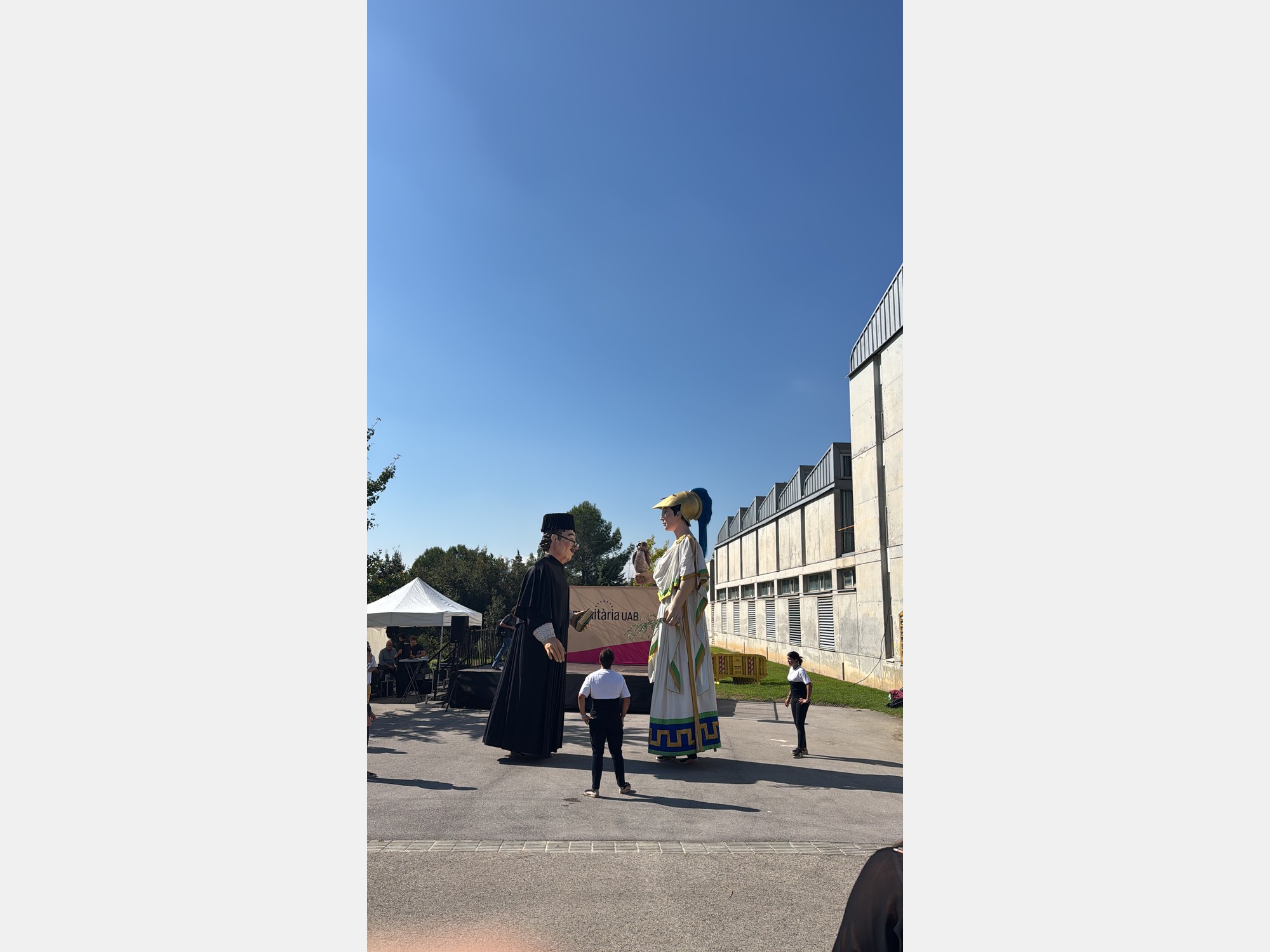
The Universitat Autònoma de Barcelona offers a large and well equipped campus located approximately one hour from the city center of Barcelona. The campus brings together a wide range of disciplines, including law, medicine, political science, and economics, which creates a diverse academic environment. In terms of facilities, the campus is extensive and consists of multiple buildings spread across a green and open area. Students have access to a variety of resources such as several libraries, numerous cafeterias, a sports center, and a language center. Overall, the infrastructure supports both academic and extracurricular activities very well. However, one noticeable drawback is the quality of internet connectivity. While Wi Fi generally works inside classrooms, it becomes unreliable in common outdoor areas such as gardens. In addition, mobile signal coverage on campus is relatively weak. Even in the libraries, which are otherwise pleasant and suitable for studying, internet access can be limited. For this reason, it is not advisable to rely on campus facilities for virtual meetings or other activities that require stable connectivity. Regarding the academic culture and teaching style, there are some similarities to WU Vienna, particularly in the structure of courses. Assessment is typically continuous, combining midterm and final exams with group projects, assignments, and presentations. Case studies are frequently used as a teaching method and often encourage engaging discussions in class. At the same time, there are some differences in perceived quality and relevance. Some case studies and materials occasionally focus on concepts that feel somewhat outdated, often referring to examples from 10 to 15 years ago. Additionally, certain project formats aim to be practical but do not always fully resonate with the diverse motivations of both domestic and international students, which can affect overall engagement. As for course recommendations, I would strongly highlight any course taught by Elisa del Sordo. She is an excellent and highly knowledgeable professor with very strong English communication skills. Her teaching covers topics such as governance, competitive strategy, and innovation, and she consistently delivers well structured and insightful lectures. Another professor worth recommending is Miguel Gracia. In particular, the course Industry Analysis and Competitive Strategy, co taught by Elisa del Sordo and Miguel Gracia, stands out as one of the most valuable courses. While it is not an easy course, it offers a strong conceptual foundation and practical insights, making it highly worthwhile for students interested in strategy.
for the entire exchange
Public transport in Barcelona is overall functional, but comes with clear trade offs depending on the route and time of day. The metro system is generally reliable and well connected, making it a convenient option for moving within the city. However, it can sometimes limit access to certain areas, for example reaching the beach from specific neighborhoods may require additional transfers or longer travel times. A more significant challenge is the daily commute to the university. Since most classes start around 9 in the morning, students are forced into peak rush hour, where trains are extremely crowded. It is not uncommon to struggle to even board the train, and in most cases the journey, which takes around 40 minutes to an hour, is spent standing in very dense crowds. Finding a seat is rather rare, and the overall experience can be quite uncomfortable. Additionally, there is no mobile signal during large parts of the journey, which makes it difficult to use the time productively. Regarding safety, Barcelona has a somewhat controversial reputation. While it is often perceived as unsafe, especially due to pickpocketing, the overall risk can be significantly reduced by staying attentive and taking simple precautions. Being mindful of personal belongings, avoiding leaving valuables unattended, and maintaining awareness in crowded or unfamiliar areas goes a long way. With this level of caution, most negative experiences can be avoided, and day to day life feels safe. In terms of social and leisure activities, Barcelona stands out as an exceptionally vibrant and dynamic city, particularly for exchange students. It offers a wide range of organized events, many of which are coordinated through Erasmus networks, making it easy to meet new people upon arrival. A common pattern is that students initially attend these events to build their social circles, after which they begin organizing their own activities in smaller groups. Beyond social events, the city also provides extensive opportunities for sports and outdoor activities. Thanks to its climate and location, students can engage in beach volleyball, swimming, padel, tennis, football, basketball, and many other sports throughout the year, making it easy to maintain an active and balanced lifestyle.
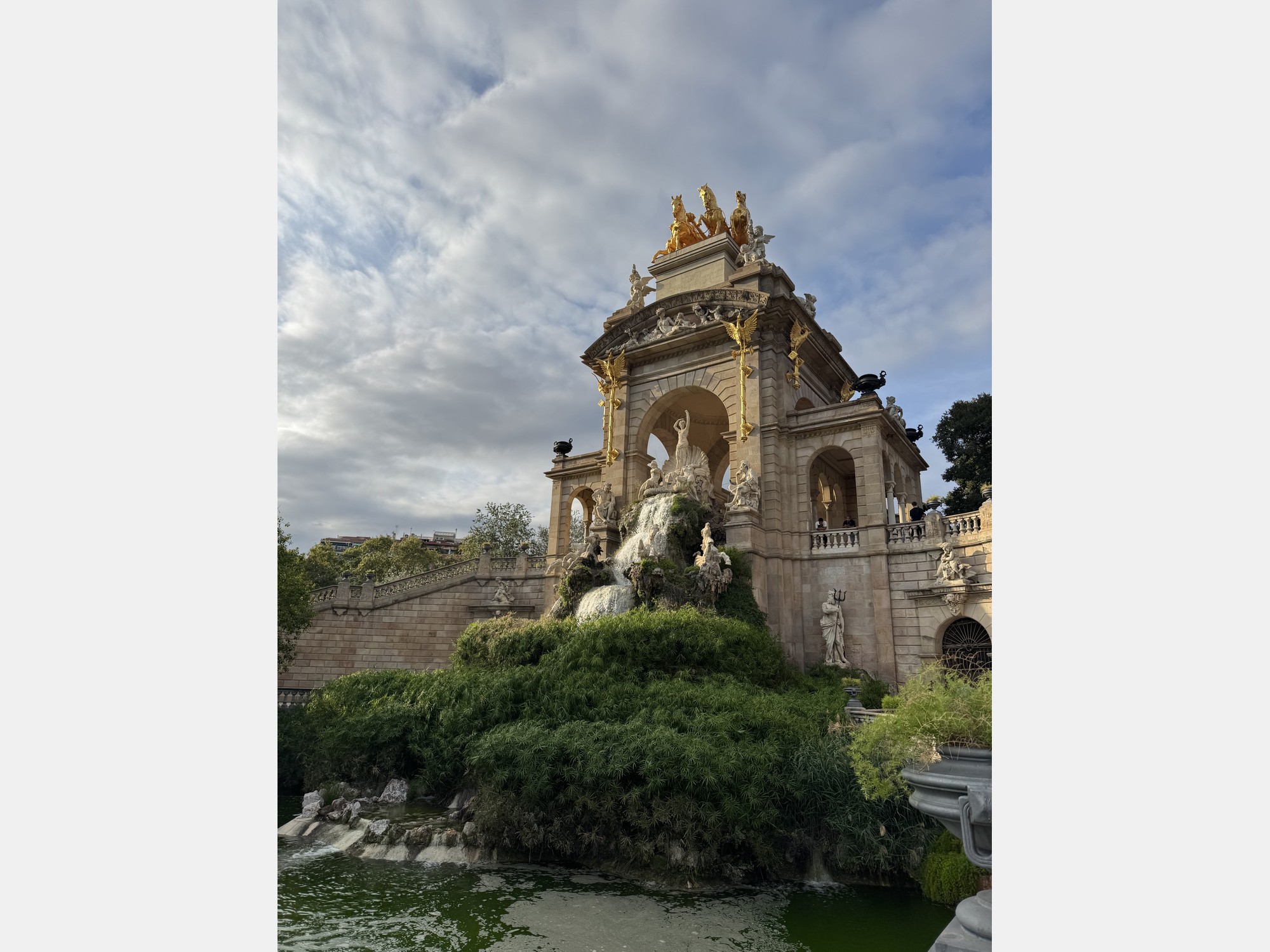
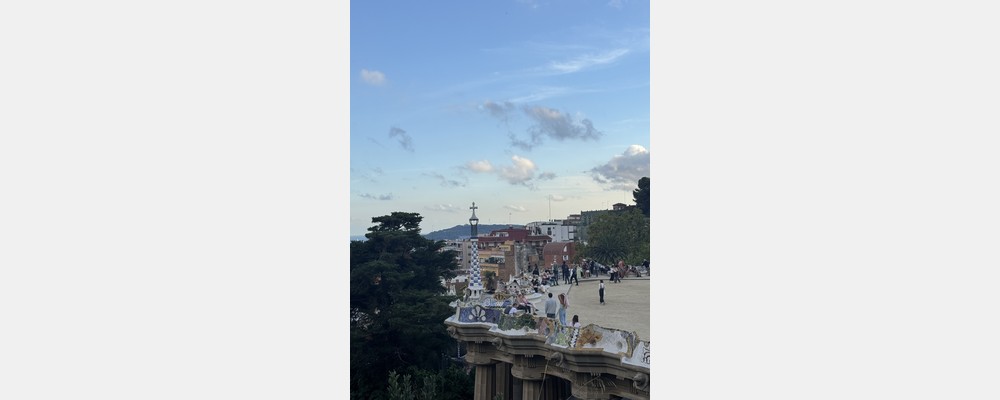
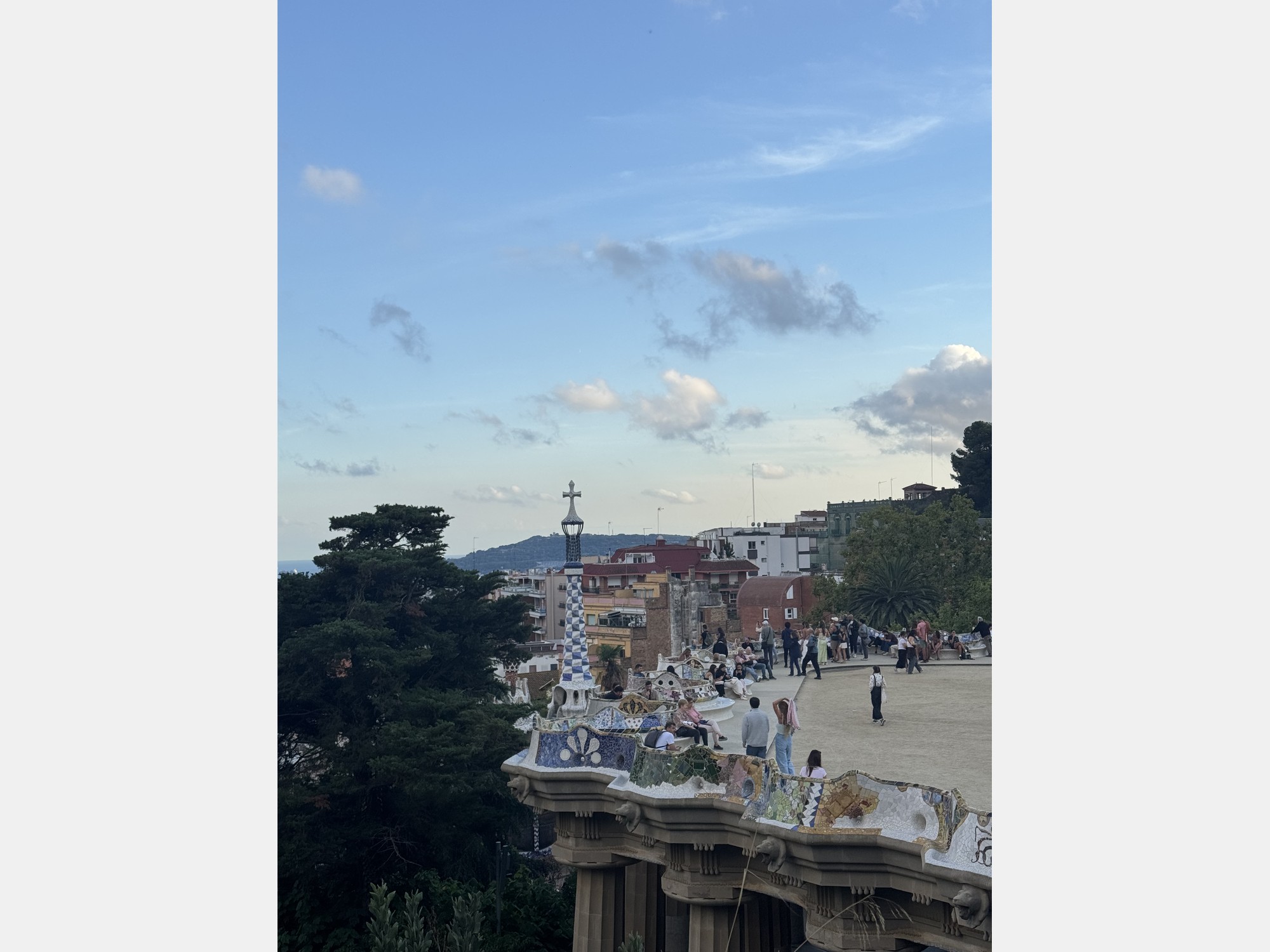
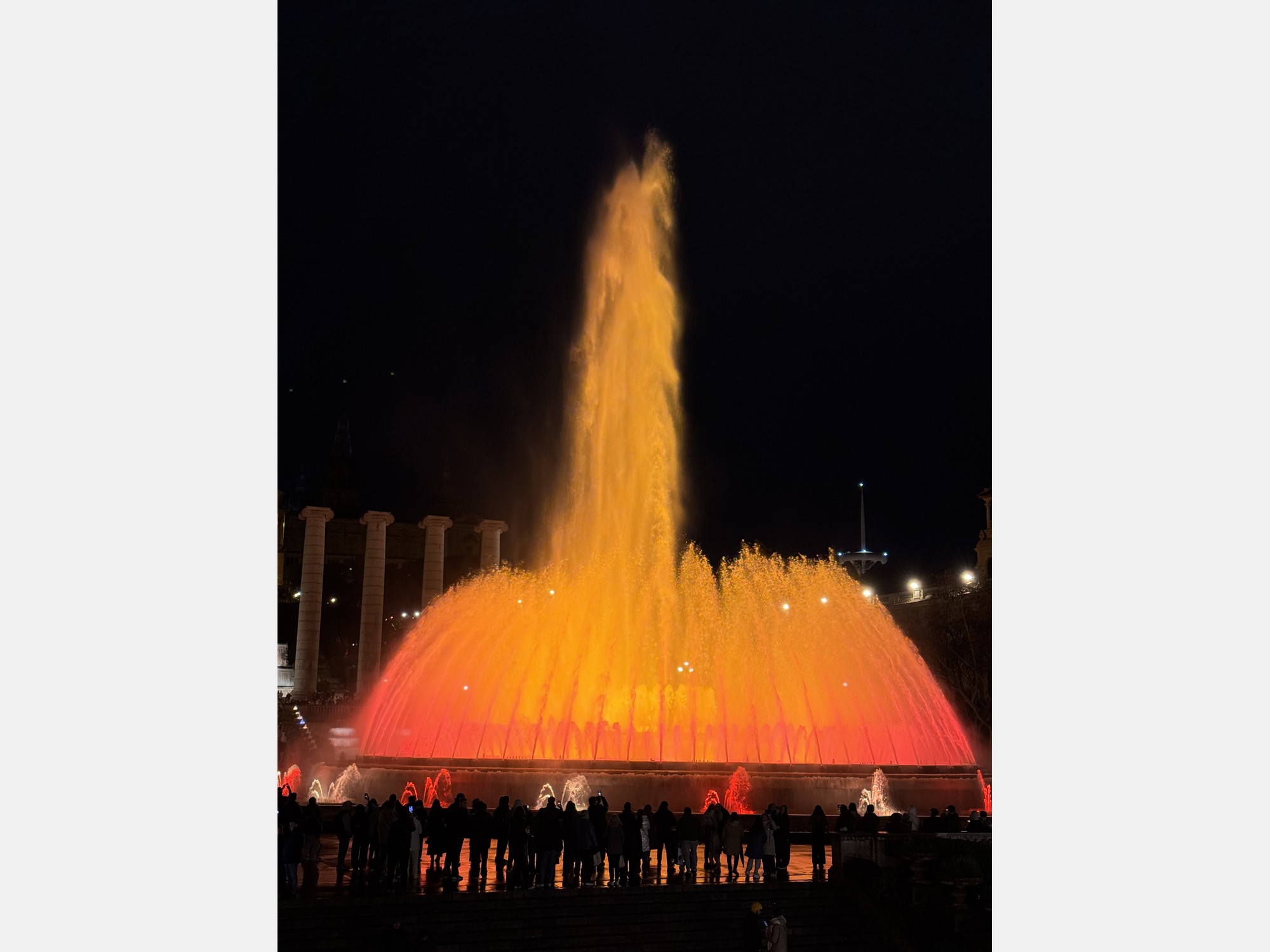
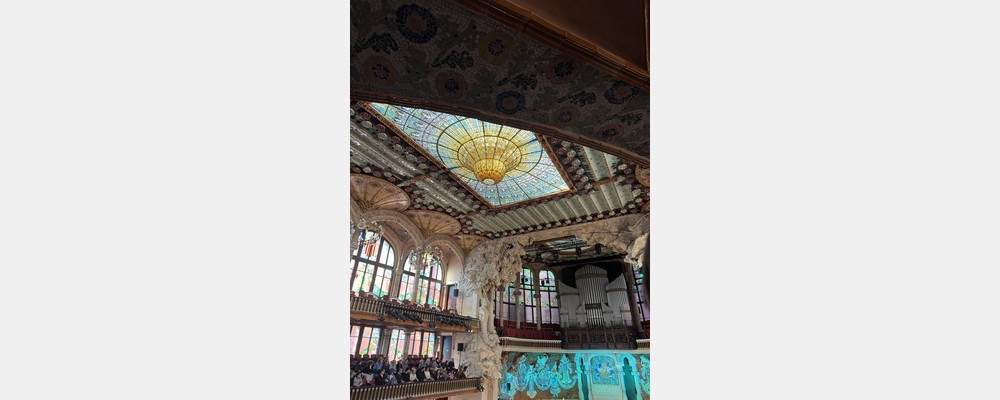
My exchange in Barcelona was characterized by meeting many interesting people and definitely diversifying my friendships, both culturally and in terms of academic backgrounds. With these people, I was able to explore the city and enjoy its beautiful beaches, gastronomy scene, and take part in many different activities. We also organized many trips within Spain, which were a very nice way to connect and spend our free time.