
Details
- United States of America
- BaWiSo-23
- Undergraduate
- SoSe 2026
- Time spent at the partner university: 4 months
- Contact: Login to see contact information



















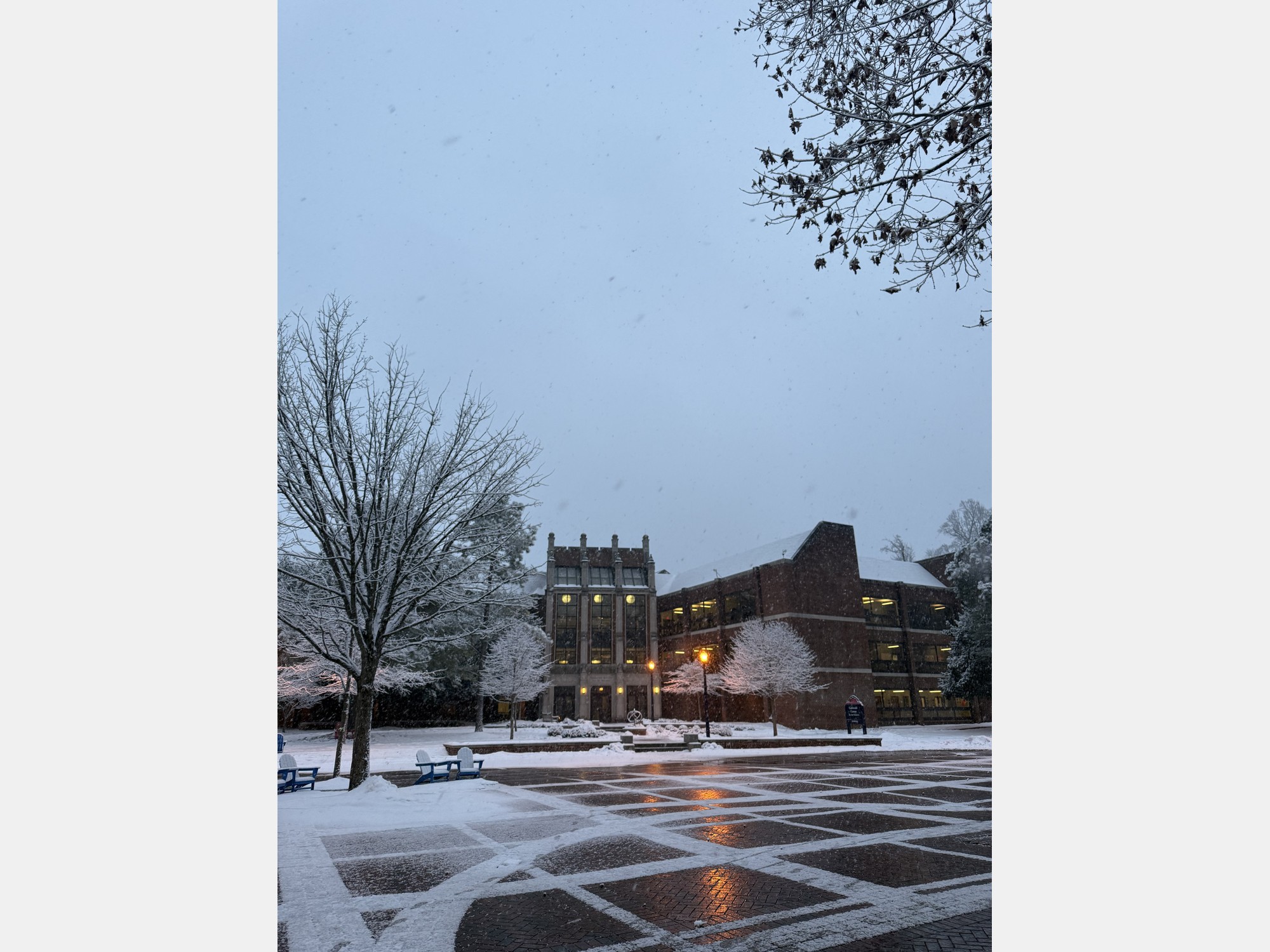


The preparation for the exchange semester at the University of Richmond required quite a lot of paperwork, and several documents had to be filled out and submitted online through the university’s portal. At first, this can feel a bit overwhelming because there are many forms, deadlines, and administrative steps to keep track of. However, the process is very well explained by the university, and the instructions provided in the portal are clear and easy to follow. As long as you read everything carefully and complete the tasks step by step, the preparation is manageable. My recommendation is to start early and not leave the online forms until the last minute. Some documents may take a little longer to organize, especially if they need to be signed, uploaded, or confirmed by different offices. It is also helpful to regularly check your emails and the university portal, as important information and reminders are communicated there. Another very important part of the preparation is the visa process. It is highly recommended to take care of the visa as early as possible, because the process can take some time and may involve several steps, such as receiving the necessary documents from the host university, completing the online visa application, paying the required fees, and scheduling an appointment at the embassy or consulate. Starting early helps to avoid unnecessary stress shortly before departure. For my travel to Richmond, I chose to fly from Europe to New York and then take a connecting flight to Richmond. This option worked well for me and I would recommend it, especially because New York is a major international airport hub and offers many flight connections from Europe. From there, the connecting flight to Richmond is relatively short and convenient. Overall, travelling by plane was the most practical choice, as Richmond is not directly accessible from Austria by one single flight.
During my exchange semester at the University of Richmond, I stayed in the University Forest Apartments, also called UFAs, because this was the accommodation I was assigned to by the university. Overall, I found this housing option very practical, especially because the apartments are located on campus and therefore close to the university facilities. As far as I know, exchange students are expected to live on campus, and the accommodation is usually assigned by the university. This makes the process easier because students do not have to search for private housing on their own. It also helps exchange students become part of campus life more quickly, since most classes, the dining hall, the library, and student activities are nearby. The UFAs are apartment-style accommodations. Four students share one house/apartment, including common areas such as a kitchen and living space. Having a kitchen is useful in theory, especially if you want to cook for yourself from time to time. However, I personally did not use it very often because the dining hall at the University of Richmond is very convenient. It offers a large buffet every day for breakfast, lunch, and dinner, and food is available throughout most of the day. For me, going to the dining hall was also the better option socially, because it was a good place to meet friends and spend time with other students. There are also other accommodation options on campus, such as residence halls like Lakeview Hall. In these accommodation types, students usually share a room with one other person and have access to shared bathrooms and common spaces. The exact housing assignment depends on availability and the university’s allocation process. In general, exchange students should be aware that sharing living spaces is common at the University of Richmond. This can be different from what some students may be used to in Europe, but it is a normal part of the U.S. campus experience. In terms of location and safety, living on campus was very convenient and felt safe. The university campus is well maintained, and it was easy to get to classes, the dining hall, the library, and other university buildings. Since the University of Richmond is a campus university, living directly on campus makes everyday life much easier. A tip I wish I had known beforehand is that the dining hall is a very central part of student life. Even if your accommodation has a kitchen, you may end up using the dining hall much more often than expected, both because of the food options and because it is a social meeting point. I would also recommend being open-minded about sharing living spaces, such as a room or bathroom, as this is simply part of the experience at the University of Richmond.
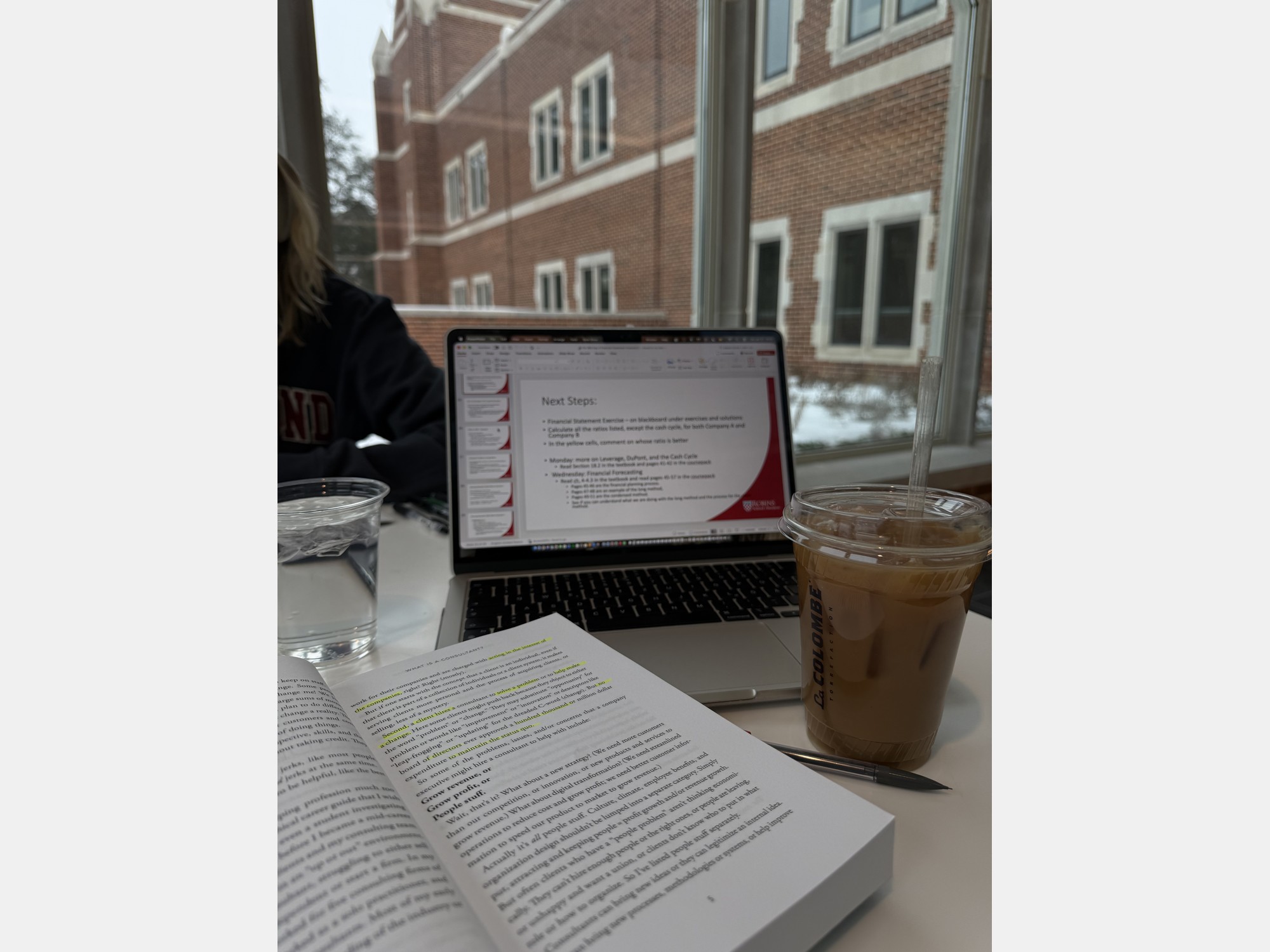
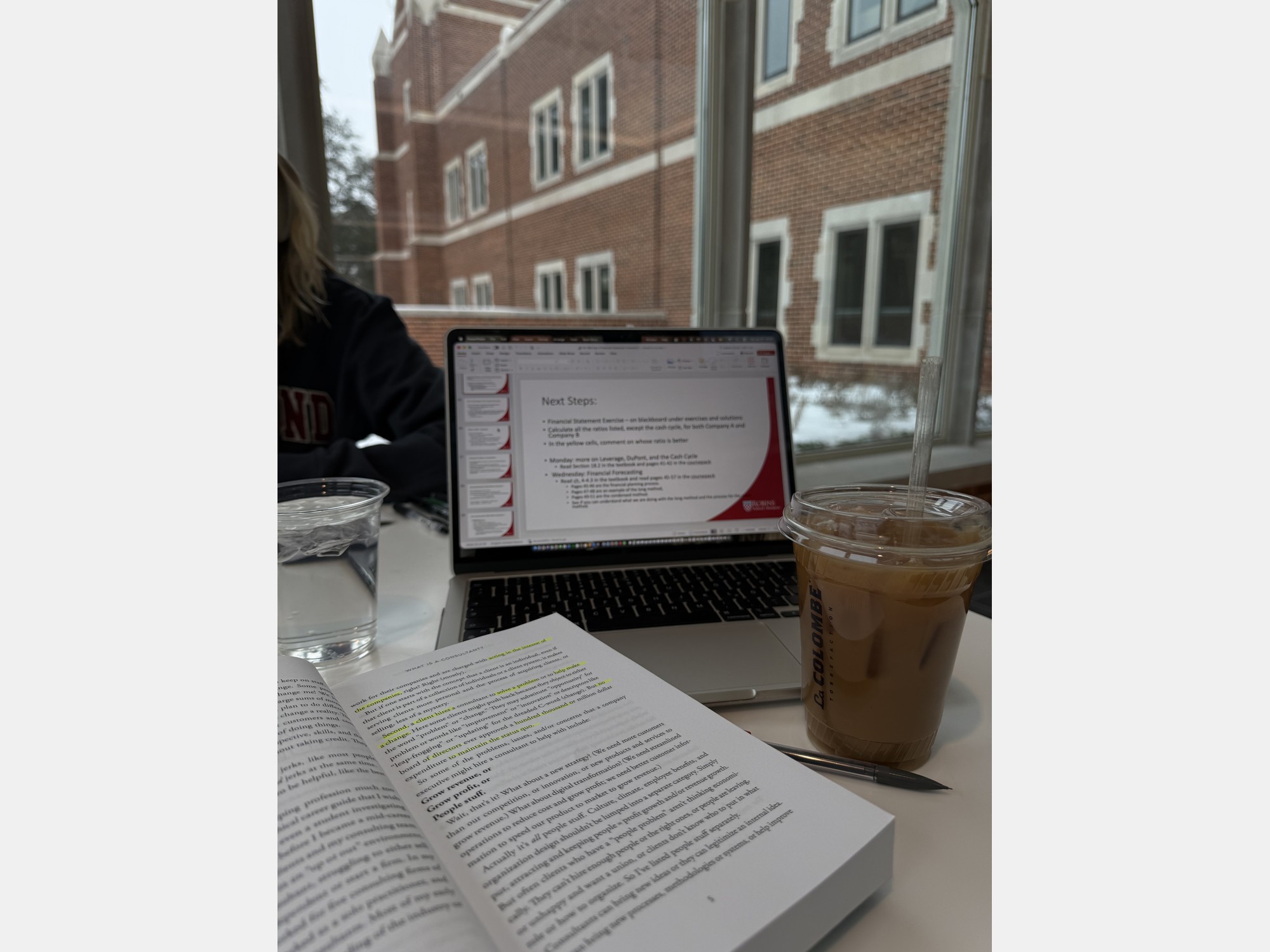
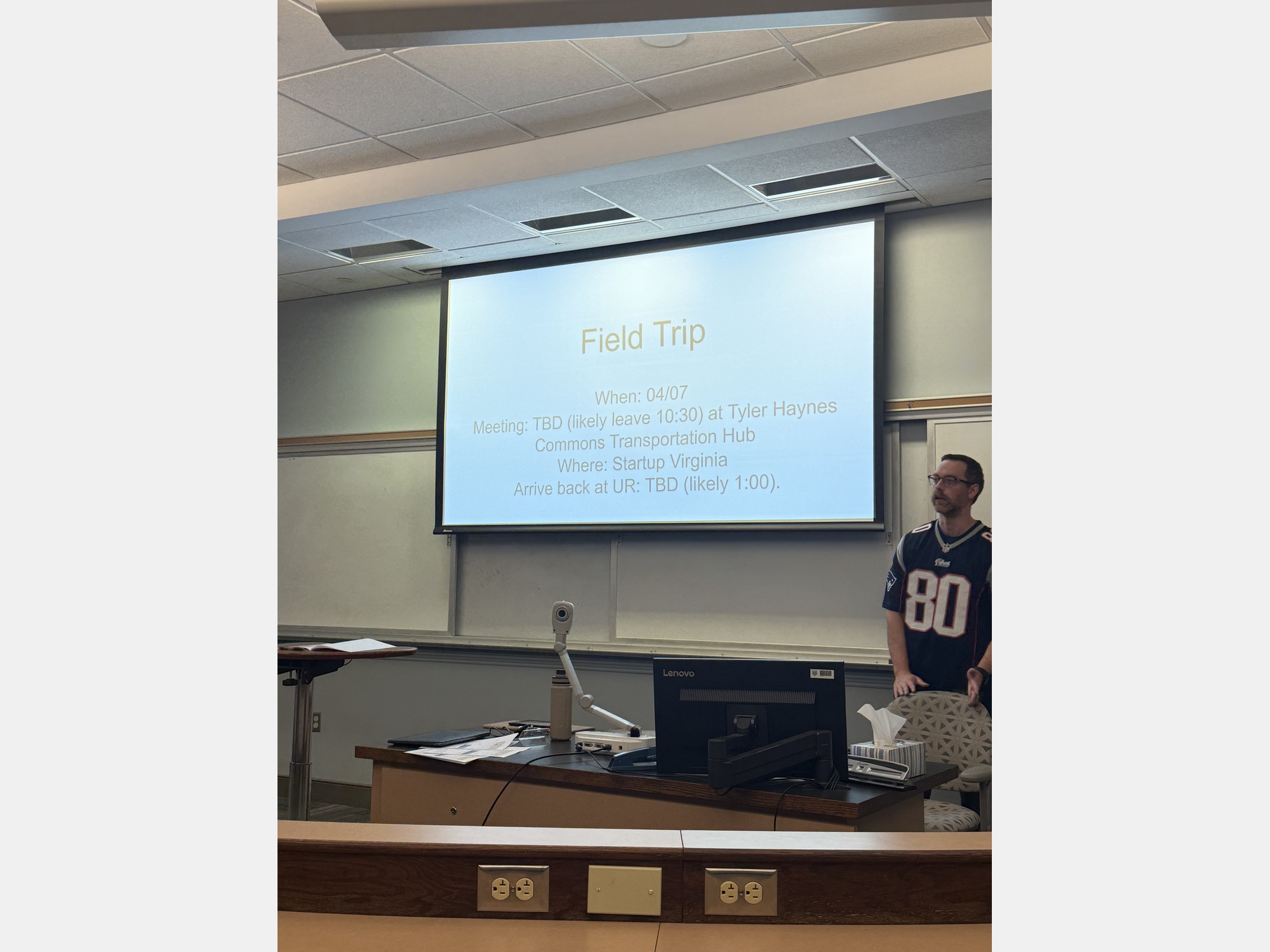
**3. Academic life at host university** Academic life at the University of Richmond was very different from what I was used to at WU Vienna. Overall, the courses felt much more personal, mainly because the class sizes were smaller and there was more direct interaction between students and professors. The professors were very friendly, supportive, and genuinely interested in helping students succeed. They were also easy to reach, for example by email or during office hours, which made communication much more personal and less formal than in many larger university settings. Compared to WU Vienna, the teaching style at the University of Richmond was more interactive and continuous throughout the semester. Participation, class discussions, smaller assignments, presentations, group work, and regular preparation often played a bigger role. There were also many homework assignments and smaller tasks throughout the semester, so the workload should not be underestimated. Instead of mainly focusing on one final exam, many courses included several graded components during the semester. This means that it is important to stay organized from the beginning, but it also makes it easier to stay engaged with the course material. I took **Principles of Financial Management**, which I used as a substitute for **Finanzwirtschaft** at WU Vienna. This course required continuous work and regular studying. The assessment consisted of two midterms and one final exam, so it was important to keep up with the material throughout the semester. In addition, I took **Introduction to Entrepreneurship**, **Introduction to Consulting**, and **Organizational Behaviour**. These courses were very interesting and involved a lot of participation, assignments, group work, and presentations. Overall, I would say that the workload is comparable to WU Vienna. The main difference is that the work is distributed more evenly across the semester. At WU, the pressure is often concentrated around exams, while at the University of Richmond there are more regular assignments, deadlines, and in-class components. This can be demanding, but it also helps you stay on track if you manage your time well. The campus facilities were excellent. Since the University of Richmond is a campus university, almost everything students need is located directly on campus. There are many different places to study, including the Boatwright Memorial Library, quiet study rooms, common areas, and other academic buildings. The campus offers a lot of learning spaces, so it is usually possible to find a place that fits your study style. Another thing I really appreciated was that there are small food and coffee options in different buildings. For example, there is a café in Boatwright Library, which is very practical when studying there. There are also places such as Tyler’s Grill, where students can get snacks or meals during the day. This makes campus life very convenient because you do not necessarily have to leave campus between classes or study sessions. In general, the atmosphere at the University of Richmond felt very personal and student-oriented. The university provides a lot of support, and because the campus is not as large and anonymous as some bigger universities, it is easier to get to know people and feel connected to the academic environment. My main recommendation is to take advantage of the smaller class sizes, actively participate in discussions, and communicate with professors whenever you have questions. This is very common there and can make the academic experience much more rewarding.
for the entire exchange
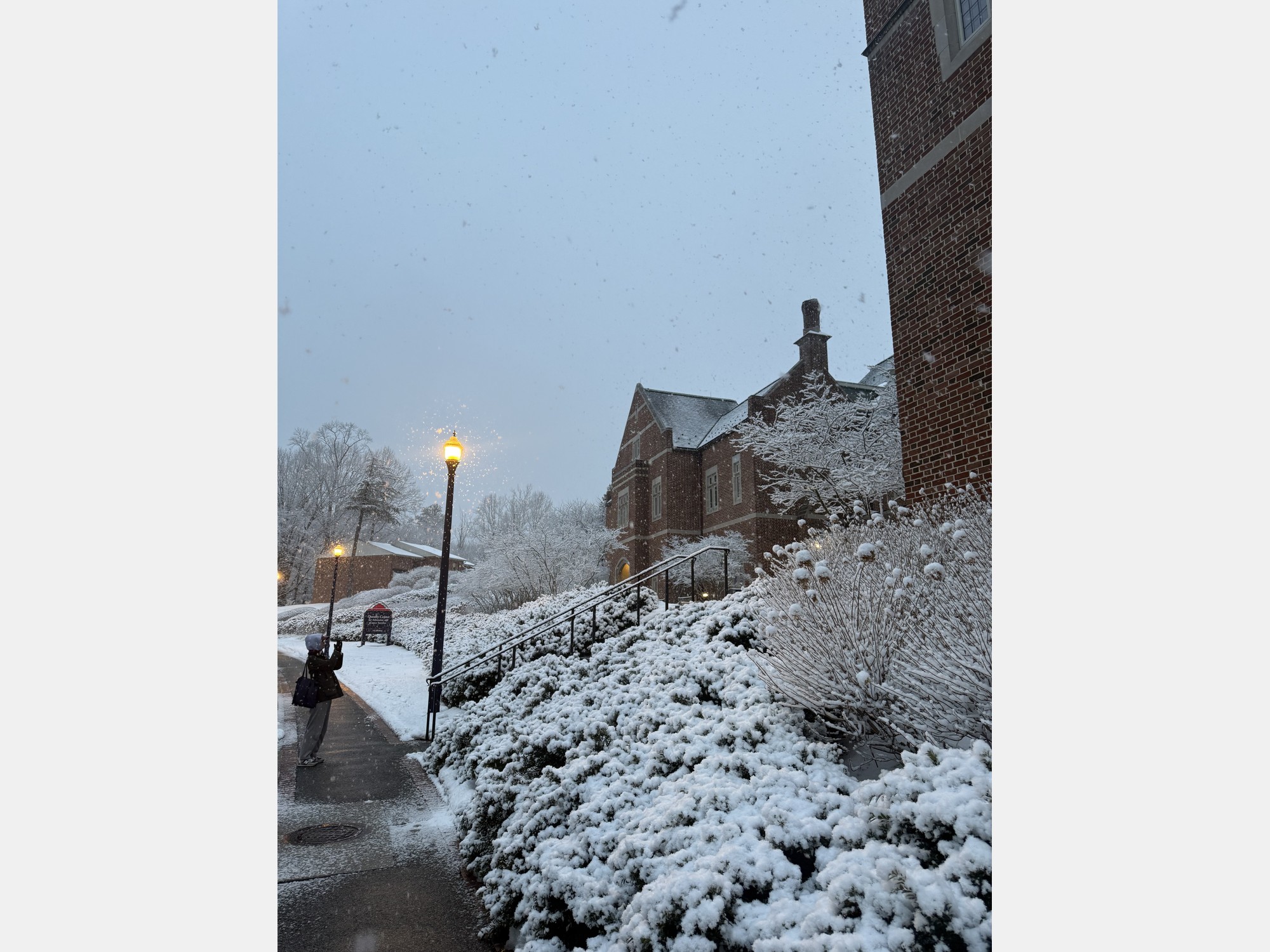
Everyday life at the University of Richmond was very comfortable and safe, especially because most of student life takes place directly on campus. The campus felt very secure, and there is campus police, which contributes to the overall feeling of safety. I personally felt safe on campus, also in the evenings, because the university area is well maintained and monitored. There are many leisure and social activities available on campus. The university offers sports facilities, including a gym, and students can take part in different activities, events, and clubs. Since many students live on campus, there is usually something going on, and it is easy to spend time with friends without having to leave the university area. The campus itself offers many spaces to study, relax, eat, and socialize. Regarding public transport, the situation is quite different compared to Vienna. Richmond is much more car-dependent, and the University of Richmond campus is somewhat separated from the city. The university offers transport options such as the Spider Shuttle, which is available exclusively for University of Richmond students. There is also a Daily Connector that takes students to places such as Target or Carytown, which is very convenient for shopping or going out. However, despite these shuttle options, it is still important to know that getting around without a car can be less convenient than in Austria. Since the campus is quite enclosed and not directly integrated into the city, students often have to rely on Uber, especially when going to restaurants, events, downtown Richmond, or other places outside the shuttle routes. Another common option is to share rides with other students or have friends who own a car. Having access to a car, or knowing people with a car, definitely makes everyday life easier. Overall, everyday life at the University of Richmond was safe, social, and very campus-oriented. The university offers many facilities and activities, but students should be prepared for the fact that public transport is not comparable to Vienna and that Uber or car-sharing with friends may be necessary for many activities outside campus.
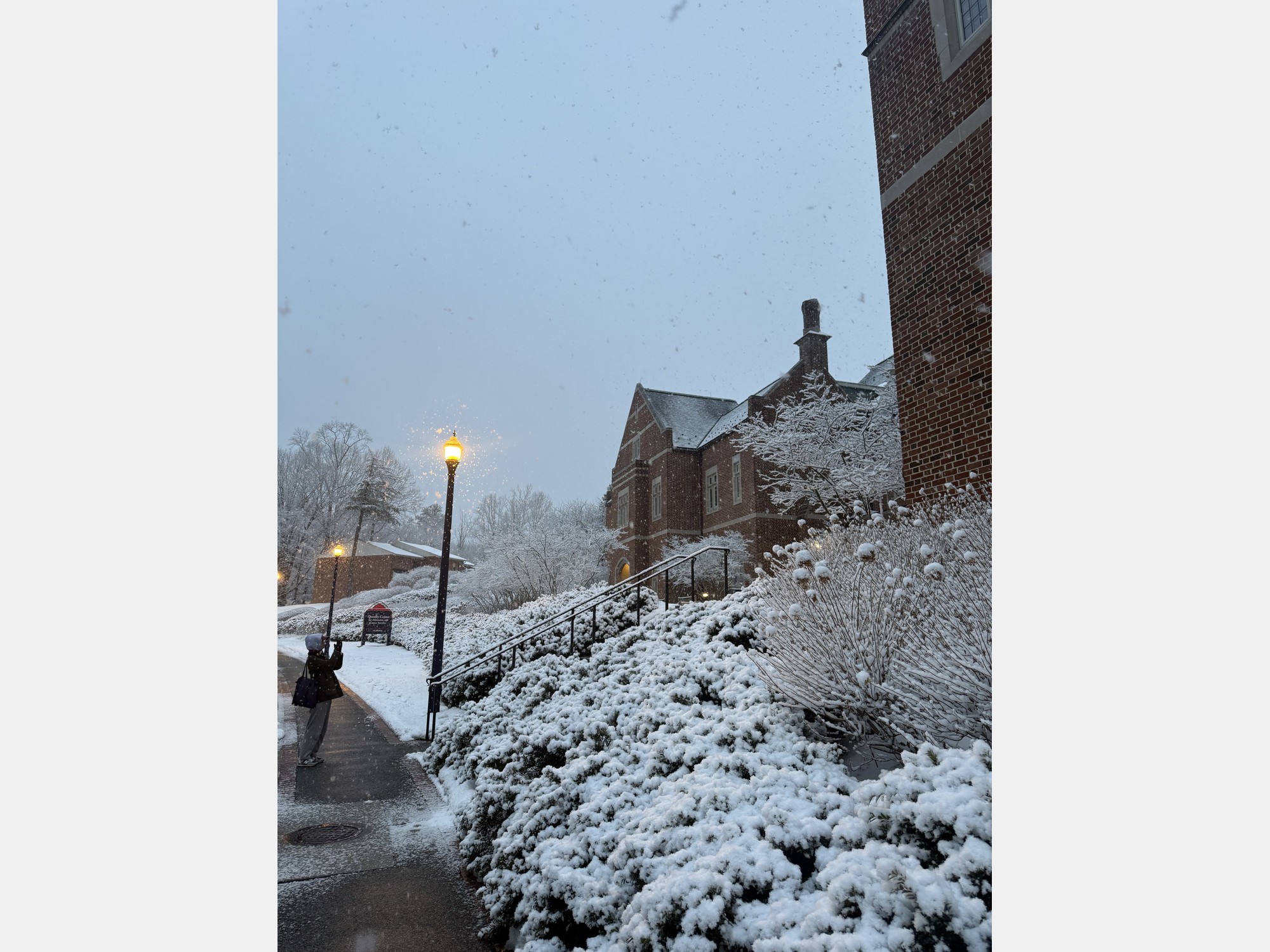
My exchange semester at the University of Richmond was a very special and memorable experience. What made it stand out was the beautiful campus, the personal academic environment, and the strong sense of community among students. I especially appreciated the supportive professors, the opportunity to experience real American campus life, and the friendships I made along the way. Overall, my semester in Richmond was challenging, inspiring, and an experience I will always look back on with gratitude.