
Details
- China
- MAEXINT-24
- Graduate
- WS 2025
- Time spent at the partner university: 4 months
- Contact: Login to see contact information
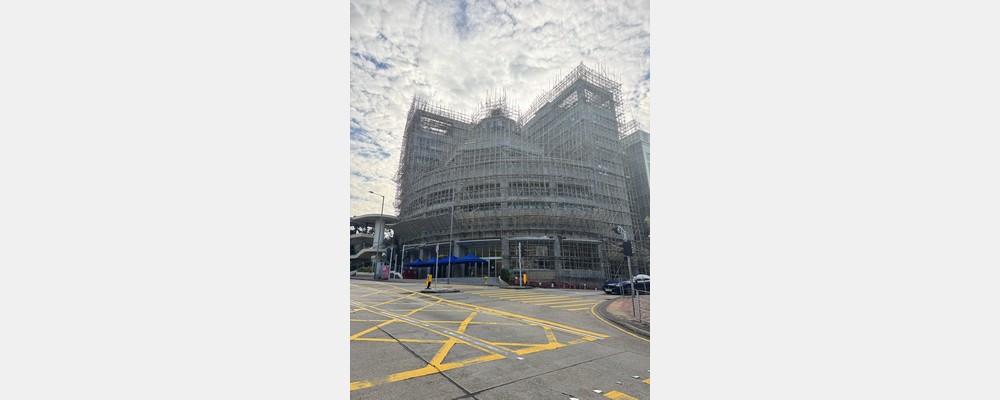
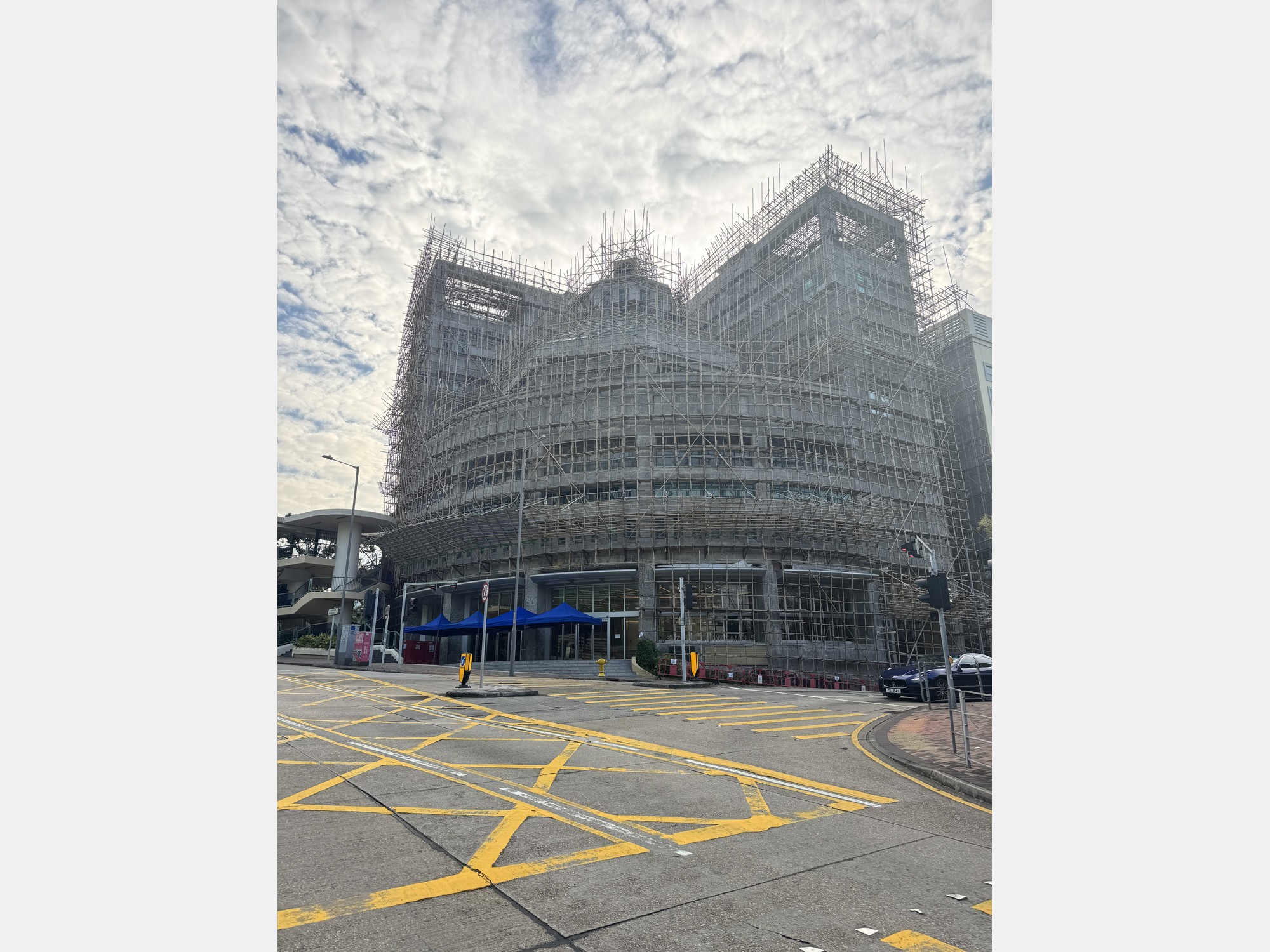
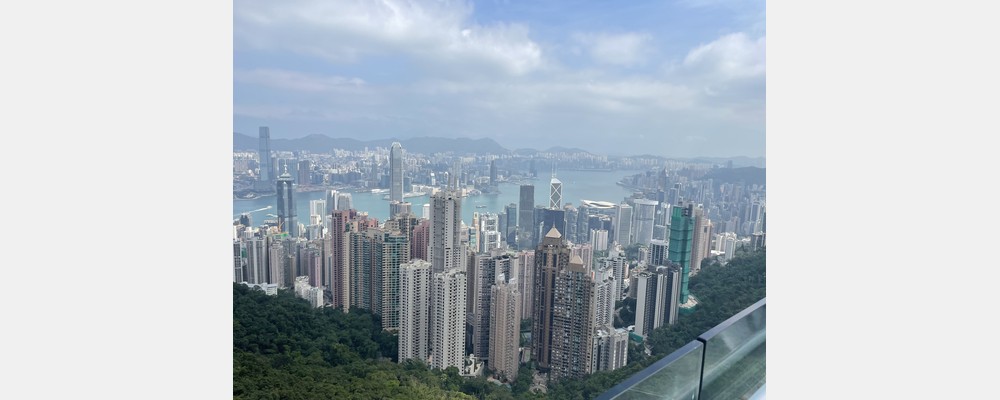
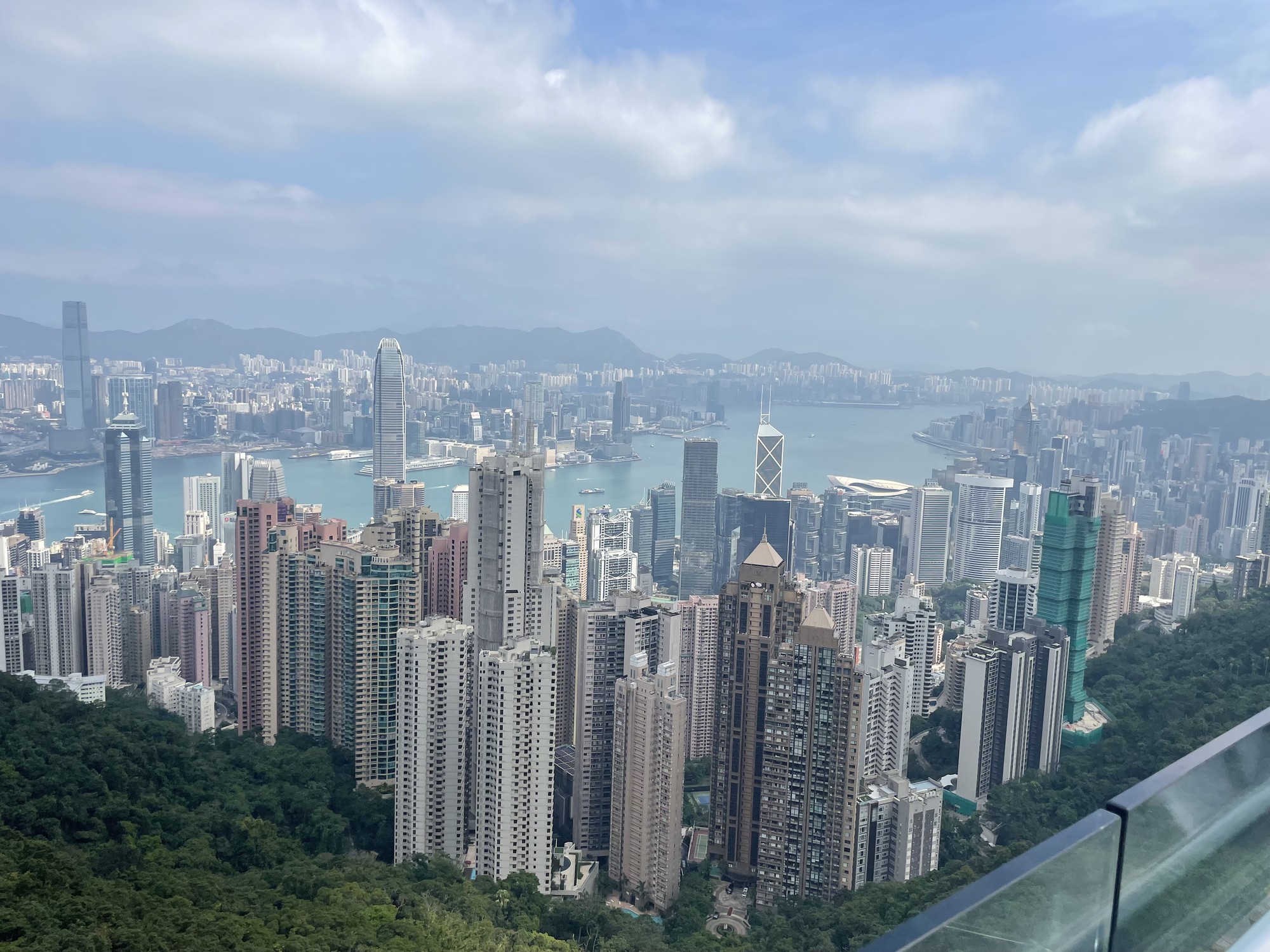
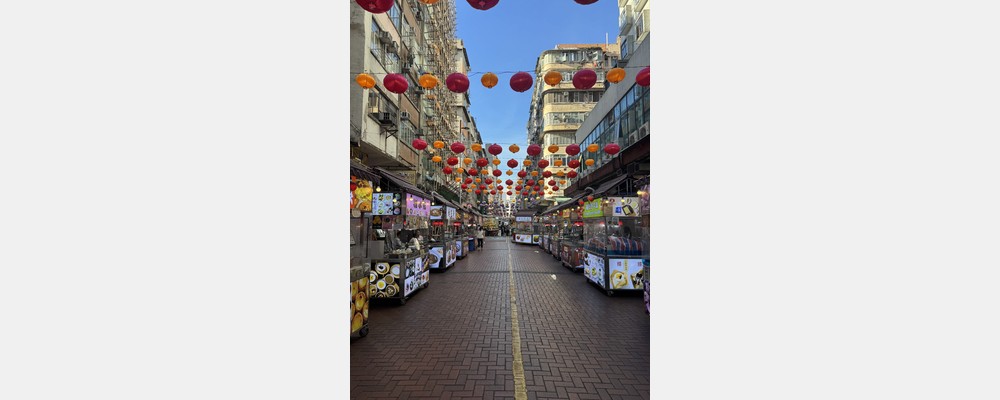
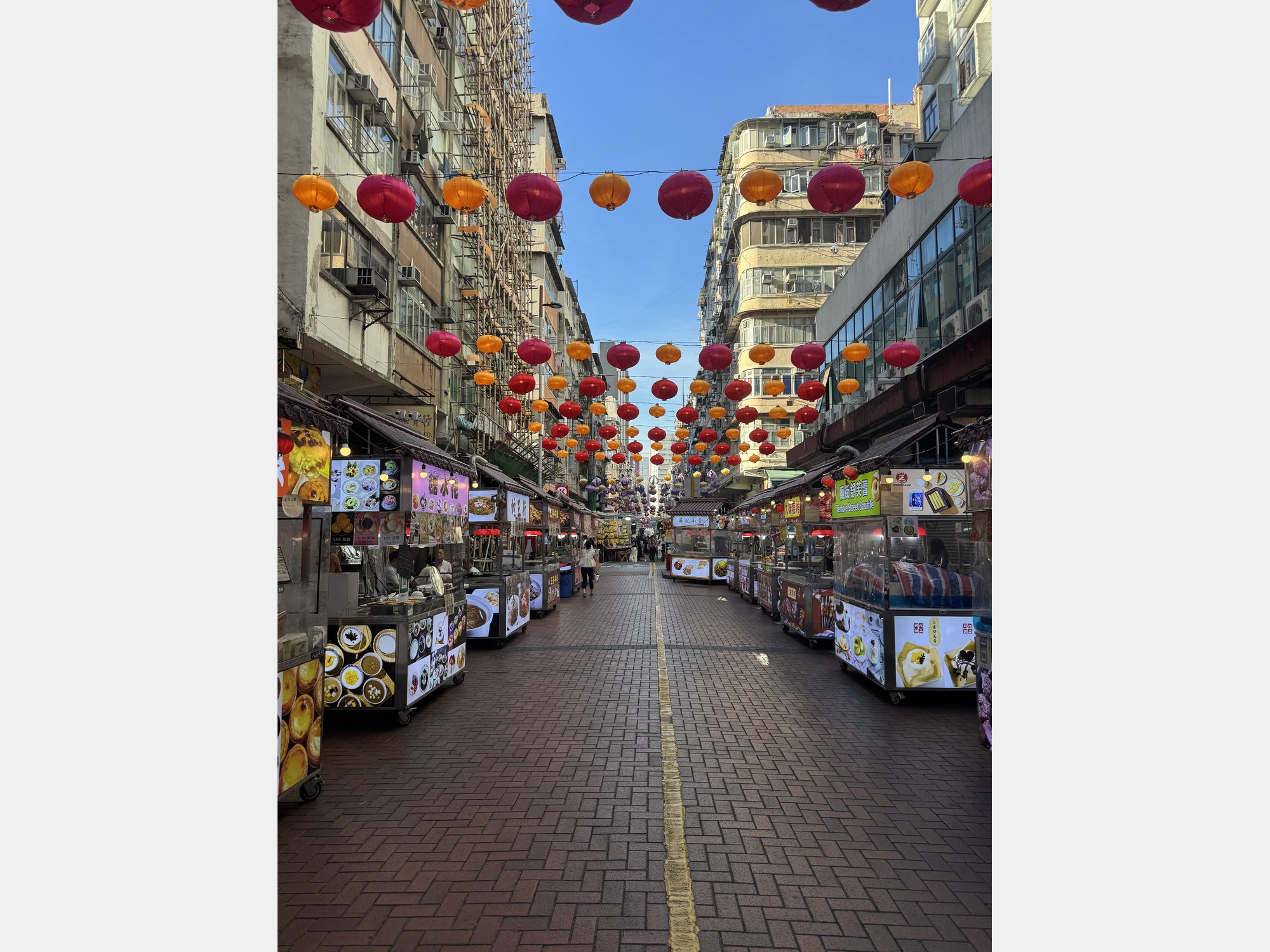
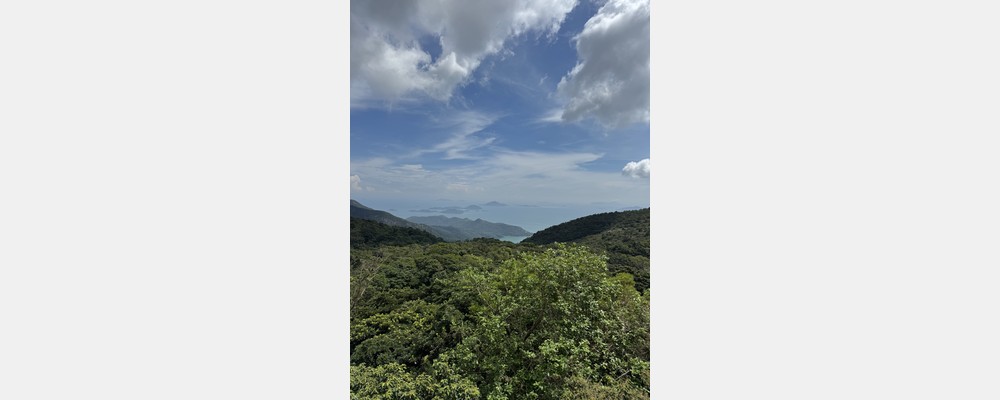
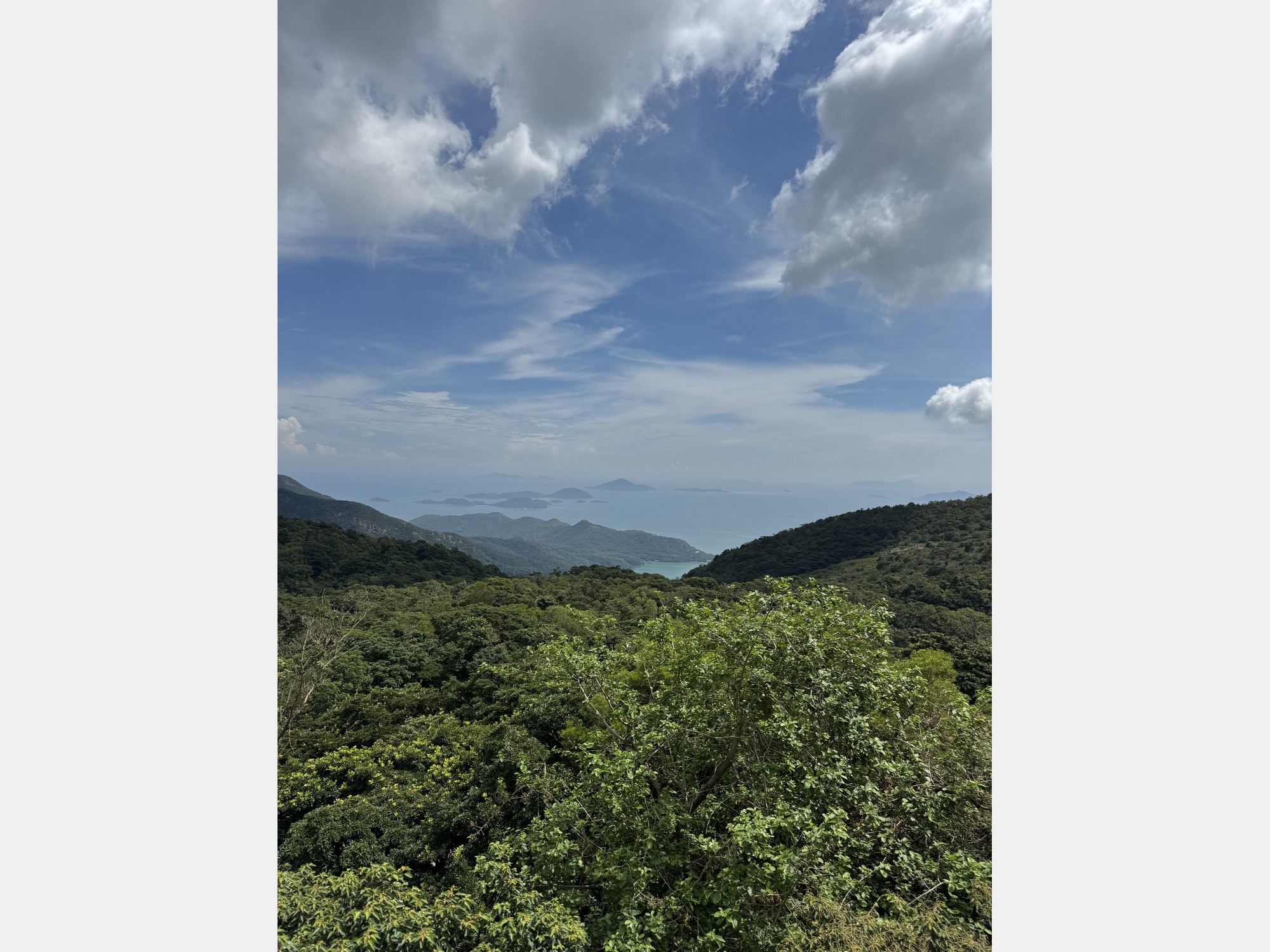
Most aspects of the exchange can be organized in advance, such as flights, accommodation, insurance, internet access, and information about the Octopus Card (Hong Kong’s public transport payment system). However, some things are difficult to plan beforehand, such as trips to other destinations or visits from friends and family, because the course schedule is only released shortly before the semester begins. When looking for flights, there are many options available from different airlines, including student discounts. Besides direct flights, there are also routes with stopovers that can give you the opportunity to explore another city for a day. The visa process was very straightforward. I only had to complete the required forms and send them to Hong Kong Baptist University (HKBU), and they handled the remaining process. I would also recommend informing yourself about vaccinations, especially if you plan to travel to other countries in Asia during your exchange. Additionally: * Get travel insurance before departure. * Consider using an eSIM for mobile data. SIM cards can also easily be purchased at the airport.
Finding accommodation in Hong Kong is not easy, mainly because housing is very expensive. Since I did not want to stay on campus, I searched for a private apartment. The apartment I lived in was located in Mong Kok, about a three-minute walk from the nearest MTR station. In my opinion, this was a very good compromise, as it was still reasonably close to the university while also being located directly in the city center with many restaurants, shops, and activities nearby. Transportation was quite an important point for me, since with choosing not to stay on campus, I had to commute to the university several times a week. So make sure to check travel times in advance. Furthermore, you should keep in mind that accommodation standards in Hong Kong can be quite different from what we are used to in Austria. Apartments are often much smaller, older, and more basic than expected, especially considering the high prices. Be careful when using platforms such as Airbnb. Apartments are often listed as available, but after requesting to book, hosts may inform you that the apartment is still occupied and only available later. Therefore, I would strongly recommend booking accommodation early, even though HKBU advises students not to make expenses before the visa is confirmed. Living on Campus: From what I heard from other international students, on-campus accommodation cost around €800 per month. Students usually had a shared room and bathroom with one other student. Kitchens were generally not available, and while some rooms had a water kettle, others did not.
The beginning of the semester, especially the kickoff event, felt somewhat uncoordinated. It was not clearly marked where the event would take place, so it took some time to find the location. There were also not enough chairs for all exchange students, since the event included students from different fields of study as well as both undergraduate and postgraduate students. In general, I think more information could have been provided during the introduction. A few days after the kickoff, HKBU released the final course allocations. Before arrival, I had selected six preferred courses from a list of available options, but I was initially assigned only three. Many courses overlapped in the same timeslot, while others were either unavailable to exchange students or required extra approval from the course instructor. During the two-week add/drop period, students could submit forms to change or add courses. In the end, I managed to arrange my schedule so that I had four courses spread over three weekdays and a fifth course that occupied two and a half weekends. Altogether, this amounted to 30 ECTS credits, since each HKBU course is worth 3 credits and 1 HKBU credit equals 2 ECTS credits. The courses I took were: 1. Global Sustainability Investing & ESG Integration in Business 2. Employee Relations and Employment Law 3. Advanced Effective Sales Negotiations & Intercultural Communications 4. Corporate Entrepreneurship and Business Development 5. Global Marketing Attendance was expected in all courses, and participation contributed to the final grade. Since many local students were not very active in class discussions, it was relatively easy to gain participation points. Every course included presentations, and several required multiple presentations. Three of my courses had final exams, two of which were open-book exams. Overall, the academic level was manageable, and achieving very good grades was definitely possible.
for the entire exchange
On days when I had classes at 9:00 a.m., I usually left for university around 8:30 a.m. and arrived only a few minutes before class started. Most classes lasted until noon. Afterwards, I would usually go for lunch, either on campus if I had another class later in the day or somewhere else in the city. Depending on my schedule, I would then either continue exploring different parts of Hong Kong or return to my apartment. Hong Kong has an excellent public transport system that is reliable, fast, and easy to use. The MTR, buses, trams, and ferries connect nearly all parts of the city, and with the Octopus Card, paying for transportation is very convenient. Even late in the evening, it was easy to get around safely. In general, I always felt very safe in Hong Kong, both during the day and at night. The city is very lively, with many people outside at all times, which contributes to the feeling of safety. There are also many opportunities for social and leisure activities. Exchange students often met for dinners, hikes, sightseeing, or trips to nearby countries and cities. Hong Kong itself offers many events, such as festivals, night markets and horse racing events. For sports, there are gyms, hiking trails, beaches, swimming pools, and university sports facilities. Especially hiking is very popular and offers a completely different side of Hong Kong compared to the busy city center. I used days without classes to explore more remote areas of Hong Kong or to travel to other cities and countries in Asia. For example: * I took a day trip to Shenzhen, which is only about 15 minutes away by train from Hong Kong. However, since you must pass through immigration, it is recommended to arrive at least one hour before departure. * I also visited Macau as a day trip, traveling one way by bus and the other by ferry. * Taiwan is another excellent destination for short trips. One advantage during my stay was that Austrian citizens did not require a visa to enter mainland China, which made traveling much easier. During longer breaks, I also traveled to: Beijing, Shanghai, Xi’an, Kuala Lumpur, Borneo, Vietnam
Hong Kong is an incredibly interesting city with many different sides to it: crowded urban districts, beautiful natural landscapes, modern skyscrapers, and traditional neighborhoods. Exploring the city and trying local food was a great experience. Because I only had classes on three weekdays, I had enough free time to discover Hong Kong and travel to other countries in Asia. Hong Kong is an excellent starting point for traveling around the region. After the exchange semester ended, I took the opportunity to continue traveling through Asia.