
Details
- France
- BaWiSo-23
- Undergraduate
- SoSe 2026
- Time spent at the partner university: 4 months
- Contact: Login to see contact information
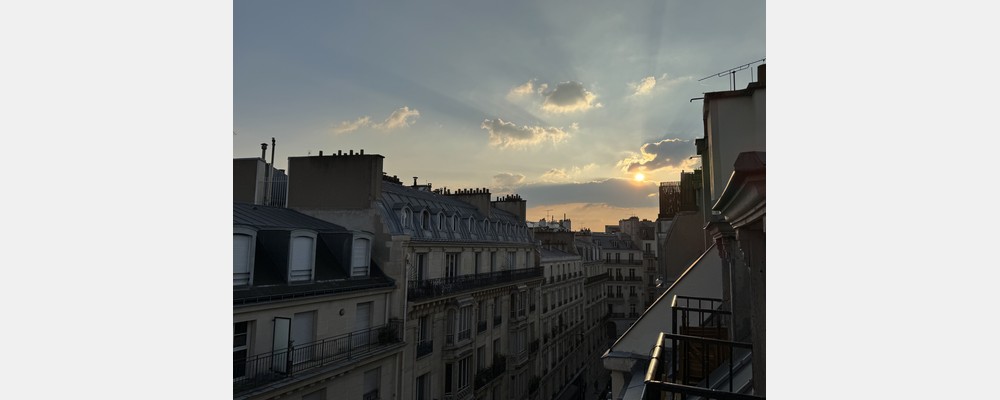
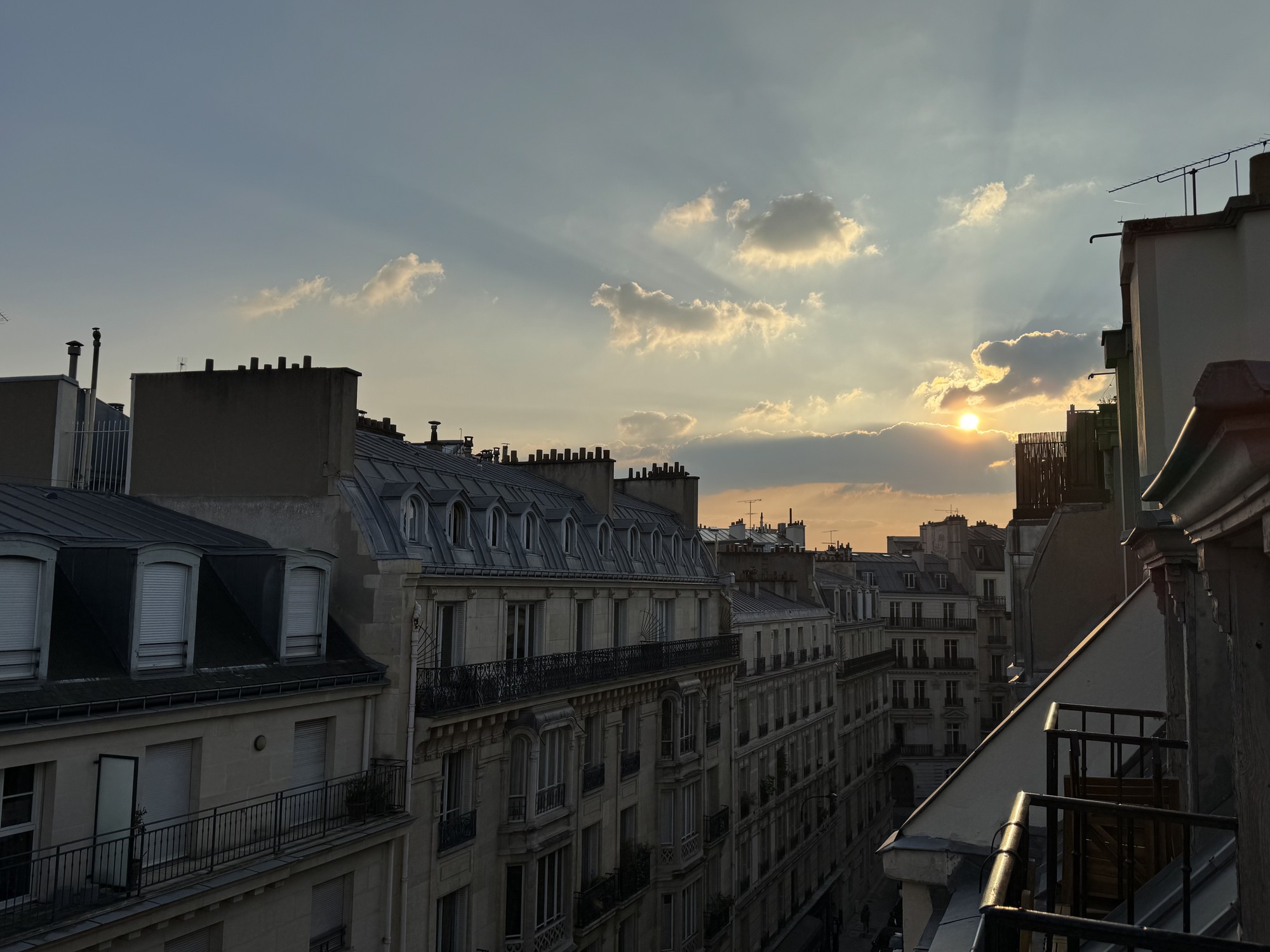
Preparing for an exchange semester in Paris thankfully proved to be no challenge. Since I had been there multiple times before and the city resembles Vienna in some ways, I knew what I would need and what I would not need. The hardest part was probably finding a place to stay, either an apartment or student housing. In Paris, this is generally quite difficult, as all student housing options were already full, especially those in the center of Paris, and individual apartments or shared flats are also either hard to find or very expensive. Our partner university offered help with on-site apartments, but for me, those were not an option, as they are located in the La Défense area, about 30 minutes outside of Paris. I was lucky because I asked the right person on Airbnb whether he could rent me the apartment for a lower price. He then suggested another option: he was renovating a small apartment that would be ready at a lower price point. It is only eight square meters, but newly renovated and located in the eighth arrondissement, so I could not complain for €800. To travel to Paris, I did not hesitate to fly from Vienna to Paris with one of the low-cost airlines, Transavia.
As I already touched upon in the previous point, I got somewhat lucky with my apartment. I started looking for accommodation in October, since I needed everything to be ready for my arrival on January 5th. I then spent one week searching intensively through all the websites, both recommended and not recommended. In the end, Airbnb was the most user-friendly option, and I was able to exchange contact details with the landlord. He offered me a small, typical Parisian chambre de bonne, which was 8m² and had a small balcony. It was on the sixth floor without an elevator. Despite the toilet being outside the room and shared, I was really happy with the small room. You start to realize that you actually do not need a lot to be happy. Nevertheless, if I have the option, I do prefer to be comfortable and not have the shower right next to my bed. I also did not have to complete a lot of paperwork, which was great for me personally. The location was the biggest plus. I was located in the 8th arrondissement, one of the more vibrant, luxurious, and lively areas of Paris. Even though it was more expensive to live in this area, all the events and student life took place around the upper part of the Seine, so I could get everywhere quickly, either by metro or by bike. While trying to discover as many places as possible in Paris, I never felt unsafe and, thankfully, never had any trouble. The university is located in the La Défense business district, which is outside the center of Paris. However, since I lived near the train station Gare Saint-Lazare, it was never a problem to get to the university. Paris has a great metro and train system, so it took me about 30–40 minutes to get to lectures.
With the campus being located in La Défense, you get to see quite a lot of everyday life around you. The university itself does not have much to offer, except for some vending machines and sweet pastries. However, in La Défense, you have everything ranging from big supermarkets to small bakeries, restaurants, bars, and food trucks, so you can easily satisfy your cravings during breaks. This was my highlight, just sitting by the Grande Arche, enjoying the sun, eating and talking with your peers. The host university itself is nothing special. You might think it is located inside the Grande Arche building, as this is what is often shown online, but in reality, it is spread across three buildings, some more modern than others. We all started to appreciate WU much more. The rooms are quite inefficiently designed, and so are the toilets. Even though you might think that, since Paris usually puts a lot of care and attention to detail into the design of rooms, buildings, and facilities, this would also be the case for the university, it was not, which was a bit surprising. Regarding the teaching style, there were only two extremes when it came to lecturers. Either you had a really good professor who spoke from experience and was eager to teach you something, or you had professors who simply read from the slides. I only signed up for intensive courses because, in the beginning, I thought that since they took place from 8:00 to 12:30 in the morning, I would be free for the rest of the day. Surprisingly, these intensives were really intensive, not necessarily workload-wise, but mentally draining. Because of waking up early, I usually came home at around 13:00 and then slept for an hour. This schedule was also not ideal, since student life usually begins at night. The intensive courses have their exams directly the following Wednesday, and they are done on the laptop via Wiseflow. Regarding the academic level, it was nothing compared to WU. What was generally really disappointing was that most of these intensives were based on a lot of group work, and the group was graded as a whole. Most exchange students are graded only on a pass/fail basis, so they do not really care about grades, which was frustrating because you often ended up doing most of the work. Regarding the grading system, we heard from a lecturer that professors generally give around 13 to 15 points, no matter whether the work was solid or really good. This again makes it harder to get an excellent grade. The international office of the partner university was also really unfriendly and did not seem willing to help or cooperate. This made me really appreciate that our international office at WU was very kind and helpful. In general, not to make everything sound negative, it was still a great experience and the university is a good one overall. It simply made me value WU even more, especially when hearing that local students pay around €14,000 per year for their bachelor’s degree. Two of the courses which I enjoyed the most and where I have learned the most are Mobile Marketing and Command and Care. And an additional tip; Also choose extensive courses. They turned out to be more chill in every aspect.
for the entire exchange
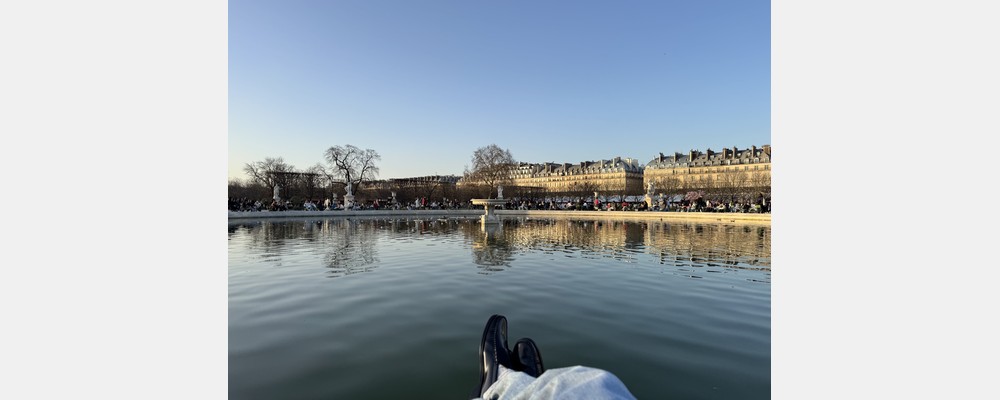
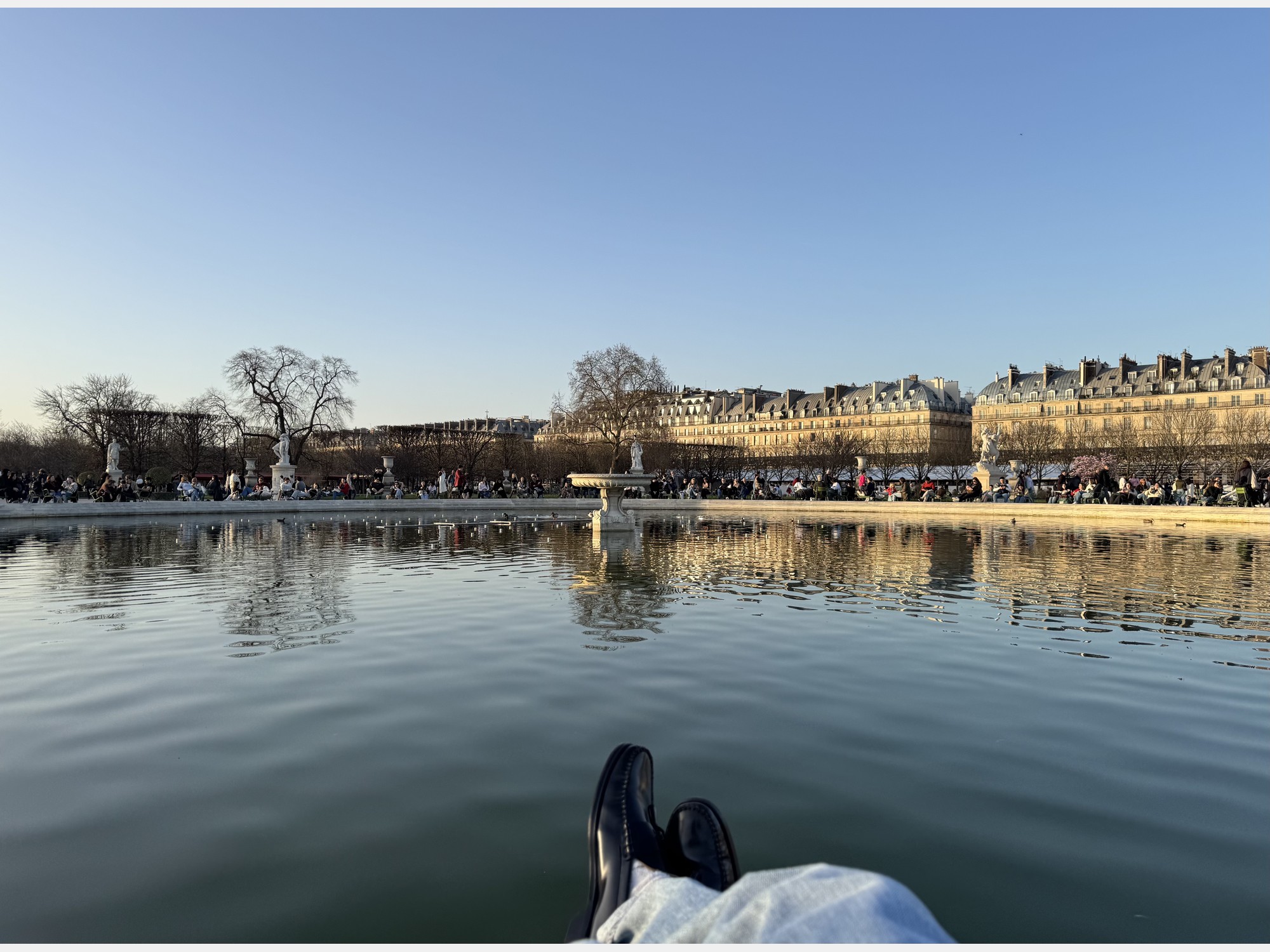
Paris is the place to be in your twenties. These past months have been a blast. Every day, there is something to see, people to meet, and new parts of the city to discover. The city really does not sleep. There is something for every interest: culture, food, sports, fashion, and so much more. Overall, it was a really valuable experience. Whether it is during Fashion Week or just on regular days, you meet so many great people. World stars are always around in Paris, and the opportunities are incredibly broad if you happen to show up at the right places. The really cool thing is that you never know whom you might meet in one night, and that encounter could potentially change your life. People are open, interesting, and talkative, including French people and Parisians. Of course, you are more likeable if you speak French, and they are more likely to hang out with you, but you still have a fair chance even if you only communicate in English. Listing all the spots, events, and opportunities would not really make sense, but I can say that I always felt safe and got around perfectly by metro or by bike. The night bus can be a bit shady, but we only used it during the colder months. Once it got warmer, we always biked home after a night out.
Paris made my exchange special. When you are given the opportunity to spend four months in Paris, you have to take advantage of it and put yourself out there. Meet and talk to people, go to as many events, bars, and restaurants as possible. Fully immerse yourself in the culture, be open to everything, and try to get into French and Parisian circles. What made my exchange so special was that I was always on the move, always in a new arrondissement, and therefore got to meet many new people, discover great spots, and experience some amazing opportunities. :))