
Details
- Ireland
- MACEMS-25
- Graduate
- SoSe 2026
- Time spent at the partner university: 4 months




The most important point when preparing for an exchange at UCD is accommodation. Finding a place to live in Dublin can be quite difficult and expensive. I personally stayed with a host family, which was a very positive experience and also helped me settle into life in Dublin more easily. Some of my peers stayed in private student accommodations, and Yugo residences generally seemed to have a good reputation among students. Accommodation directly on the Smurfit campus is also an option, but it does not have the best reputation compared to other housing choices. The Smurfit campus is located in Blackrock, which is a rather quiet area. While it is close to most classes for the International Management/CEMS students, getting into the city centre can take quite some time. The accommodation on UCD’s main campus seems to be more modern, and the area is livelier. It also offers easier and faster access to the city centre, although students should keep in mind that travelling between the main campus and the Smurfit campus may take additional time. Travelling to Dublin from Austria is relatively easy. Flights are usually quite affordable, especially with Aer Lingus or Ryanair. From Dublin Airport, the Aircoach might be the fastest way to get to the city centre or further, it costs around 12€. In terms of packing, I would highly recommend bringing proper rainwear. Dublin weather can change quickly, and when it rains, the wind can be quite strong. An umbrella is not always very useful, as it may not last long in windy conditions. A good raincoat is therefore very helpful. It is also useful to bring some warmer layers, as the weather can feel colder than expected because of the wind. Another useful preparation tip is to familiarise yourself with Dublin’s public transport system before arrival. Students commonly use buses, the DART train, and the Luas tram. Depending on where you live, the DART can be especially convenient for travelling between Blackrock and the city centre. For public transport, you need a Leap Card that you can buy in the airport. If you are under 26, get a Young Adult Leap Card (needs to be ordered online and takes approximately 5 days to arrive) as public transport costs half then. Get the Leap Top-Up app for putting credit on your card. Unfortunately, the busses are quite unreliable sometimes, coming way too early or late.
Finding accommodation in Dublin was probably one of the most challenging parts of preparing for the exchange. Housing is generally expensive, and availability can be limited, so it is important to start thinking about accommodation as early as possible. However, the search process depends a lot on the type of accommodation you are looking for. For student accommodation, it is definitely advisable to be early. Popular residences, especially Yugo residences, tend to be booked out quite quickly and seemed to have a good reputation among students. Therefore, if you are interested in living in a student residence, I would recommend checking availability as soon as the exchange is confirmed. For other housing options, such as private rooms, shared flats, or host families, the search can be much more short-term. Many offers only become available shortly before the move-in date, which can feel stressful if you are used to planning everything far in advance. I stayed with a host family, which turned out to be a very positive experience. It was a comfortable and welcoming environment, and it also made it easier to settle into life in Dublin. Other students lived in student residences or private accommodation, so there are several possible options depending on budget, preferences, and availability. Location is another important factor. Most classes for International Management/CEMS students take place at the UCD Michael Smurfit Graduate Business School in Blackrock, but it is mostly only 2-3 days a week. Blackrock is a quiet and generally safe area, but it is not directly in the city centre. Getting into the city can take some time, especially depending on the public transport connection. Living close to the Smurfit campus is therefore convenient for classes, but it may feel less lively compared to other areas of Dublin. Accommodation on the Smurfit campus exists, but it did not seem to have the best reputation compared to other options. The accommodation on UCD’s main campus seemed to be more modern, and the area is livelier. It is also easier and faster to get into the city centre from there. However, students living on the main campus should keep in mind that they will need to commute to the Smurfit campus for most classes. In terms of safety, especially the South Side of Dublin is considered to be very safe. As in any larger city, it is still important to be aware of your surroundings, especially at night or in the city centre. Public transport is generally usable, but depending on where you live, commuting times can be longer than expected. One thing I wish I had known beforehand is that accommodation in Dublin can be both expensive and stressful to organise, but that it is normal for some housing options to only appear quite late. I would recommend being flexible, comparing different areas, and not only focusing on the city centre. It is also helpful to check how long it actually takes to get from the accommodation to the Smurfit campus, not just to the main UCD campus.
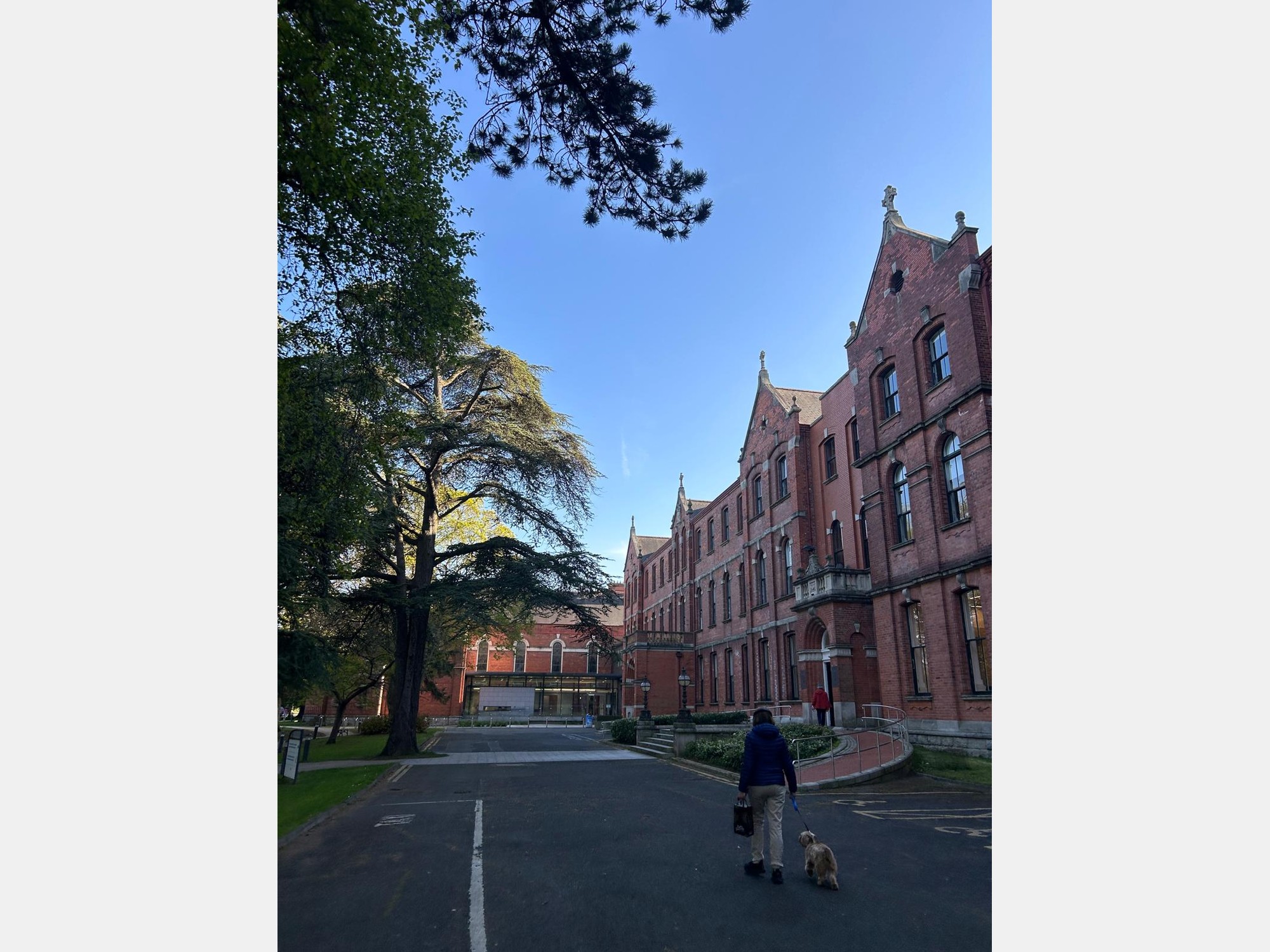
Academic life at UCD was a very positive experience overall. Especially the main UCD campus is really impressive and offers a lot of facilities for students. There is a free gym, which is a great benefit, and the campus itself feels lively and modern. The canteen on the main campus is also quite affordable and good, with most dishes costing around €5 to €7. The Smurfit campus, where most classes for International Management/CEMS students take place, also has a gym and a canteen, but both are more limited compared to the main campus. The gym at Smurfit is quite small, and the canteen is more expensive and, in my opinion, not as good as the one on the main campus. However, the Smurfit campus still has a nice atmosphere and is very convenient for classes. The academic culture at UCD felt quite similar to WU Vienna in many ways. The teaching style was familiar, with a mix of lectures, discussions, group work, presentations, and assignments, and the workload was manageable if you stayed organised throughout the semester. T As an elective, I took the UNFCCC module, which I can recommend. It was a very engaging course, especially for students interested in sustainability, climate policy, negotiation settings, and international decision-making. The module was interactive and gave a good insight into how climate negotiations work in practice. One very positive aspect was the support from the university staff. The CEMS programme manager was extremely kind, helpful, and supportive throughout the semester. In general, the people at UCD, including professors, staff, and fellow students, were very friendly and approachable. This made it easy to ask questions, get support when needed, and feel welcome at the university.
for the entire exchange
Everyday life in Dublin was generally enjoyable, but there are a few practical things to know beforehand. Public transport is one of the more frustrating aspects of living in Dublin. Compared to Vienna, it is much less reliable and less efficient. Buses can be delayed, cancelled, or simply take a very long time, and getting from one place to another often takes much longer than expected. The Luas, however, is a positive exception and is very reliable. Depending on where you live, it can make a big difference whether you have access to a Luas or DART connection rather than relying only on buses. Another important point is transport at night. Public transport usually stops around 00:30, so if you go out in the evening, you often need to take an Uber or taxi back home. This is something to keep in mind when planning your budget, as taxis can become quite expensive, especially if you do this regularly. The weather in Dublin is also something to be prepared for. It rains a lot, and the wind can make the weather feel even worse. A proper raincoat is much more useful than an umbrella, as umbrellas often do not work well in strong wind. The weather can sometimes affect your motivation to go out or explore, so it is good to be prepared for that mentally as well. In terms of safety, I generally felt safe in Dublin, especially in the residential areas. As in any city, it is still important to be careful at night and stay aware of your surroundings, particularly in the city centre. Social life in Dublin was nice. The pub culture is definitely a highlight, and pubs are a great place to meet people, listen to live music, or simply spend time with friends. There are also many opportunities to travel within Ireland. Trips to other cities or regions, such as Galway, Cork, Belfast, or the west coast, are definitely worth doing during the exchange. The number and quality of student events can depend quite a lot on the CEMS Club and the specific cohort. In my cohort, we were only around 30 people, which made it easy to get to know each other and do many things together. We organised and joined several activities as a group, which made the exchange experience much more personal and social. I would therefore recommend actively participating in CEMS Club activities and also taking the initiative to plan smaller trips or evenings out with classmates. For sports, UCD’s main campus offers very good facilities, including a free gym, and for 90€ a year, you also get sauna and pool access. This is a great advantage if you live nearby or spend time on the main campus. The Smurfit campus also has a gym, but it is much smaller. Overall, everyday life in Dublin can be a bit challenging because of the weather and public transport, but the social life, pubs, travel opportunities, and friendly people make the experience very worthwhile.
My exchange at UCD was a very special and memorable experience, mainly because of the people I met and the close CEMS community in Dublin. Since our cohort was quite small, we quickly got to know each other and did many things together, from university projects to pub nights and trips around Ireland. I really enjoyed the friendly atmosphere at UCD, the support from the programme team, and the chance to experience student life in Dublin. Overall, it was an exchange that felt personal, welcoming, and full of great memories.