
Details
- France
- BaWiSo-23
- Undergraduate
- SoSe 2026
- Time spent at the partner university: 4 months
- Contact: Login to see contact information

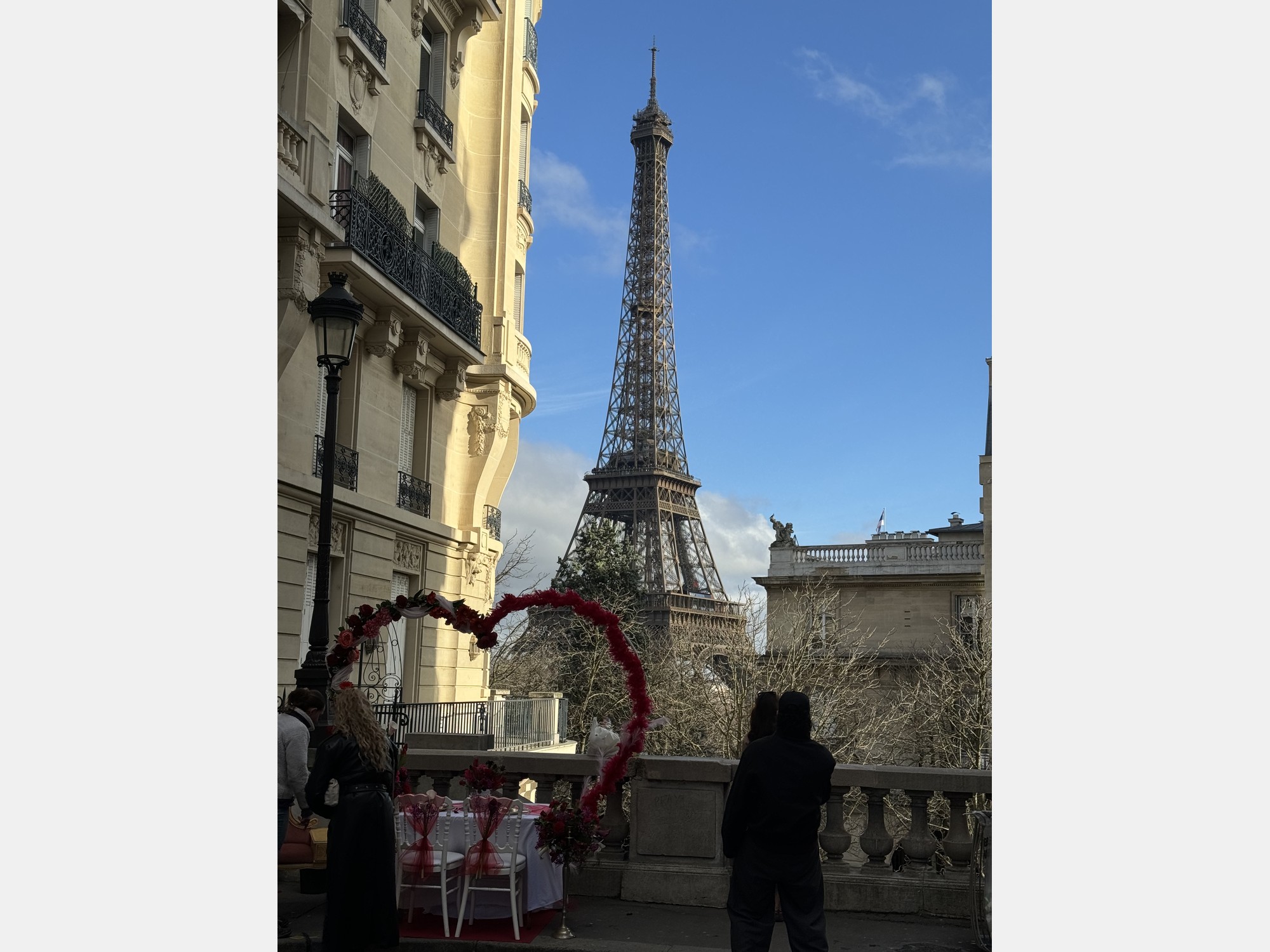

Since the direct night train from Paris to Vienna no longer exists, it was clear to me that flying would be the most practical option. Paris has three airports: Charles de Gaulle (CDG), Orly, and Beauvais. Although Beauvais is usually the cheapest option because it is mainly served by low-cost airlines, it is located very far from Paris itself. The bus ride to Paris takes about 1.5 hours and costs around €20 one way, making the journey both long and less convenient. If you plan to use public transportation from either CDG or Orly, I would recommend buying your ticket in advance. A one-way ticket costs €14. If you are staying for a full semester, it may be worth purchasing the monthly transportation pass directly, which costs approximately 90€ per month. The annual pass only makes sense if you are staying for more than six months, and you will need to upload documents from Dauphine in order to receive the student discount. I would also strongly recommend getting in touch with students who have already studied at Dauphine. They can help you navigate the rather confusing course registration system and provide valuable information about the courses. Some professors and courses were excellent and highly recommendable, while others were much more demanding than I would expect from an exchange course.
Finding accommodation on your own can be very challenging. Many landlords are reluctant to rent to international students who are only staying for a few months. In most cases, you will need a guarantor, who must be verified through an official French government platform. The process can be quite complicated and time-consuming. It is also important to be cautious of scams, there are many fraudulent housing offers online. I would recommend applying through the official housing options offered by CROUS or Dauphine. Both have their advantages and disadvantages. CROUS residences are located throughout different parts of Paris, while the official Dauphine residence is located in Saint-Ouen, a suburb just outside the city. Although the area is generally fine, I personally found it a bit uncomfortable to walk there alone at night. The accommodation setup also differs. In most CROUS residences, you have your own small kitchen and bathroom within your room. In the Dauphine residence, you typically share a kitchen with the other students on your floor and a bathroom with one other person. One major advantage of the Dauphine residence is that the exchange students live together, making it very easy to meet people from your program. You will receive information about the housing application process by email. To apply, you must pay a non-refundable application fee of 180€. After that, you will receive a room offer, which you have 48 hours to either accept or decline. I personally found a room through a family friend in the 16th arrondissement, about a 20-minute walk from the university. The area was very safe and convenient, although it was also quite expensive. Living with two French roommates was a great experience and helped me improve my French language skills significantly. Overall, it is very common for exchange students to struggle with finding accommodation independently. For this reason, I would strongly recommend taking advantage of the university housing options if possible. Besides simplifying the housing search, they also make it much easier to meet other exchange students and build friendships early on.
The campus at Dauphine is very different from WU Vienna. It is located in the 16th arrondissement of Paris and is easily accessible by metro or RER. The university is housed in a former NATO building, parts of which were still under construction during my stay. Some of the facilities are quite outdated. During the winter months, the heating did not work properly, so it was not uncommon for students to sit in class wearing their winter coats. The bathroom facilities could also be improved. At the beginning of the semester, the campus can be a little confusing to navigate, as the university consists of several different sections. It is also important to know that security checks are carried out at the entrance every day. Students are required to show both their university ID card and the contents of their bag before entering. One thing I appreciated was the flexibility of the course registration system. Even after enrolling in courses, students can still change their selections during the first two weeks of the semester. Courses that initially appear full may reopen during this period, so it is worth checking regularly in the international office. Administrative communication can sometimes be slow, especially via email. If you have an urgent issue or need assistance, I would recommend visiting the International Office in person rather than waiting for a response. Dauphine also offers an excellent sports program. For €70 per semester, students can access the university’s sports facilities and sign up for a variety of sports courses. However, some of the more popular activities fill up very quickly, so early registration is recommended. The teaching style at Dauphine differs noticeably from what I was used to at WU Vienna. Many courses place a strong emphasis on class participation and practical application of concepts. However, the experience varies significantly depending on the professor. In some classes, active participation was expected throughout every session, while in others, professors were perfectly comfortable with students remaining mostly silent. The workload can also vary considerably between courses, even when they carry the same number of credits. For that reason, I would recommend speaking to former exchange students before finalizing your course selection. One course I can highly recommend is Corporate Social Responsibility, taught by Clement Damasse. As for study spaces, the university library was often overcrowded, stuffy, and not always the most pleasant environment for studying. Paris has many excellent public libraries, so I often preferred studying elsewhere in the city.
for the entire exchange
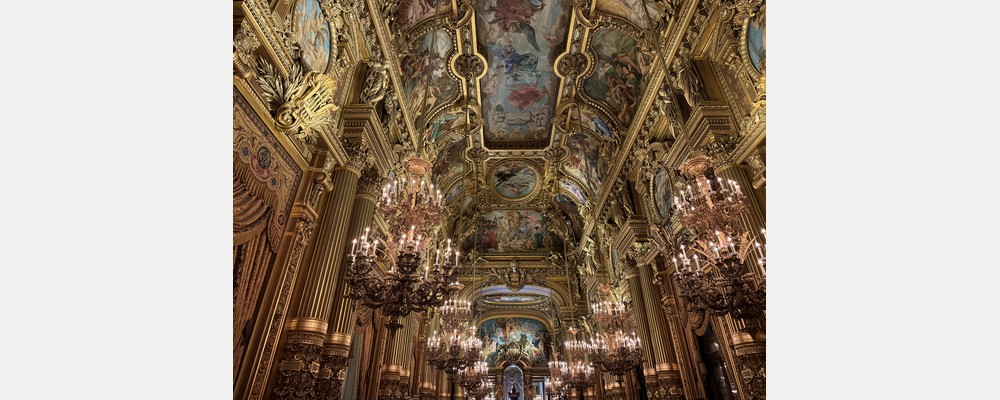
For public transportation, I purchased the monthly Navigo pass, which costs €90.80. With this pass, you can travel throughout the entire Île-de-France region without any additional cost. This makes it easy not only to get around Paris but also to visit many of the smaller towns and attractions surrounding the city, many of which are definitely worth exploring during your stay. Overall, the public transportation system in Paris is efficient and well connected. While the metro stations are not always the cleanest, it is something you quickly get used to. I personally never experienced any issues with pickpockets, but it is important to stay alert, especially in crowded areas and on public transport. Keeping your bag closed and your valuables secure is essential. It is also worth being cautious when using your phone near metro doors, as thefts can occur when the doors open and someone quickly grabs a phone before leaving the train. In terms of safety, I generally felt comfortable in Paris. However, I tried to avoid taking night buses or travelling alone on the metro very late at night. Whenever I felt unsafe, I chose to take an Uber home instead. Paris offers an incredible variety of cultural, social, and leisure activities. There are always events, exhibitions, concerts, and festivals taking place, so I would recommend following local social media accounts and event platforms to stay informed. Apps such as WeMeet or Meetup can also be useful for meeting new people outside of the exchange student community. One major advantage of living in Paris as a student is the access to cultural institutions. Most museums and many other cultural attractions are free for EU residents under the age of 26. This includes some of the city's most famous museums. I would highly recommend taking advantage of this opportunity during your exchange semester. One challenge I noticed was that it can be difficult to get to know French students at Dauphine. Since many courses are specifically designed for exchange students, international students often spend most of their time within the exchange community. While this makes it easy to build friendships with other exchange students, it can require additional effort to connect with local students. For sports and fitness, many students used the ClassPass app, which allows access to a wide variety of gyms, fitness classes, and sports activities across the city. It is a great way to stay active while also trying out new sports and exploring different parts of Paris. In addition, Dauphine itself offers a good sports programme, which is another affordable option for staying active during the semester.
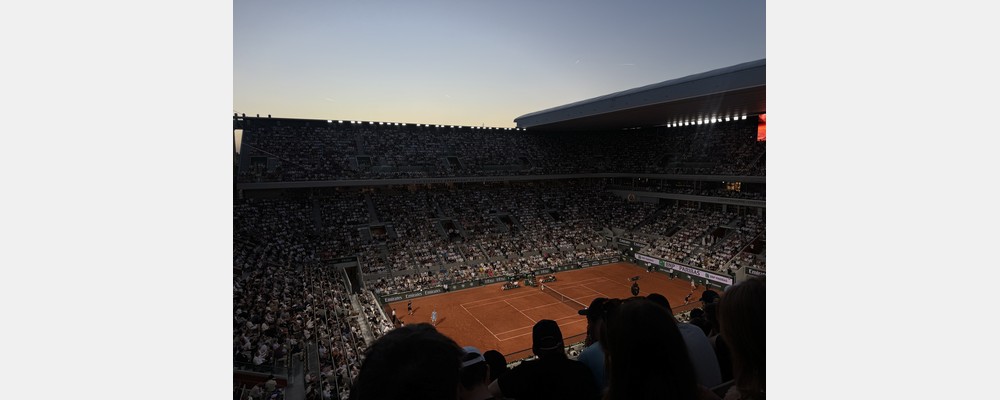
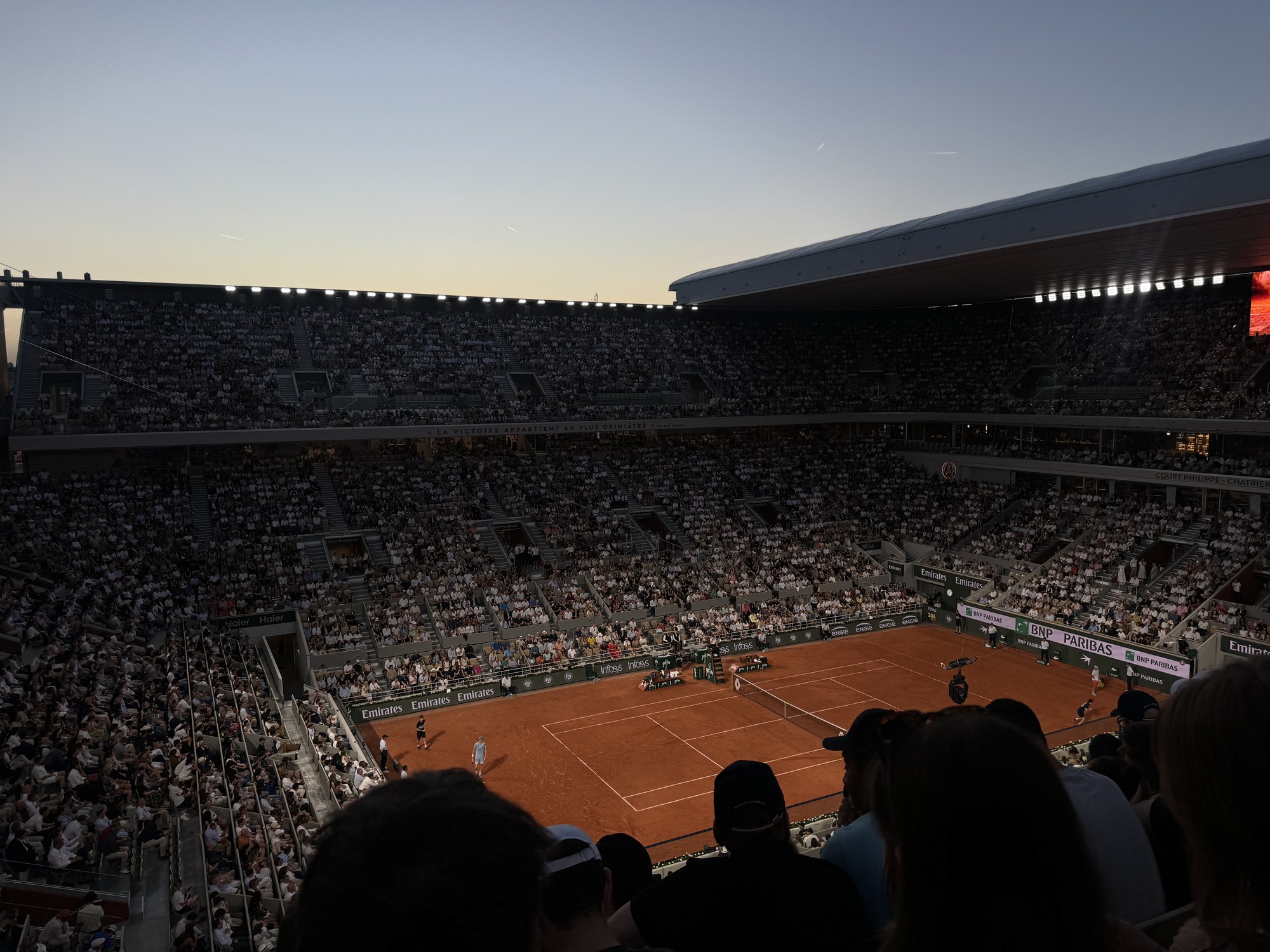
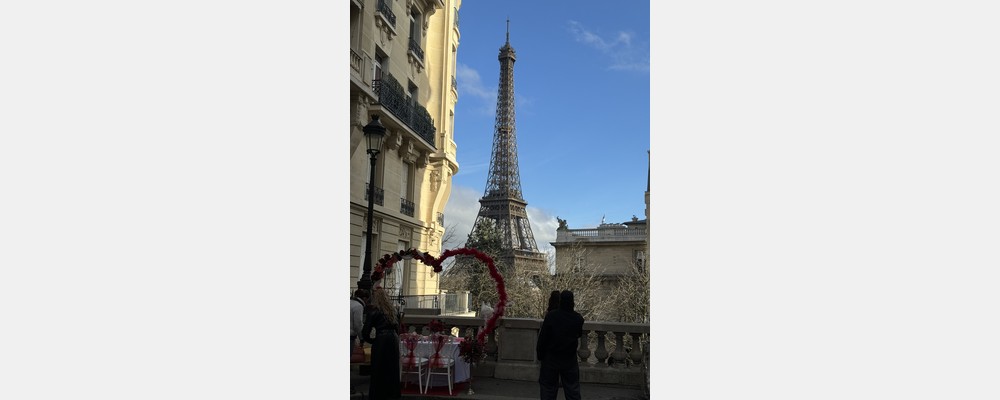
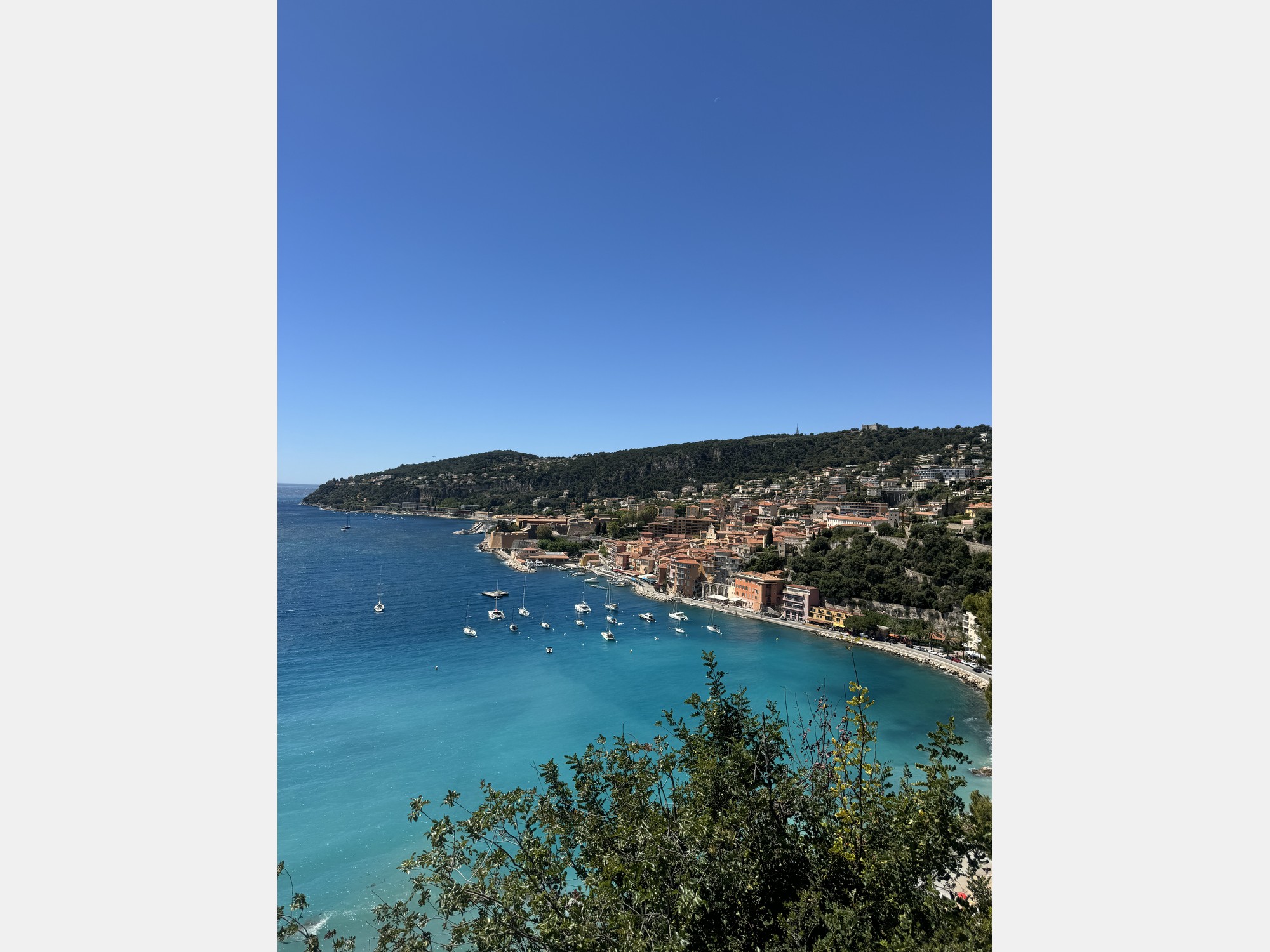
My exchange semester in Paris was an unforgettable experience that gave me memories I will cherish for a lifetime. By travelling extensively throughout France, I was able to discover the country from a completely new perspective and experience much more than just life in Paris. I met amazing people from all over the world, made friendships that I am sure will last for years, and grew both personally and academically. My time in Paris has left such a positive impression on me that I am certain I will return very soon.