
Details
- United States of America
- BaWiSo-23
- Undergraduate
- SoSe 2026
- Time spent at the partner university: 5 months
- Contact: Login to see contact information






Preparing for USC mainly involves four key steps: 1. Obtaining a student visa (the process usually takes around 3-5 days once you have your appointment). 2. Finding accommodation. 3. Following all instructions provided in USC’s emails, which are generally very detailed and easy to understand. 4. Booking your flights to Los Angeles. My main recommendation is regarding housing. If possible, I would strongly recommend living at the Lorenzo. The vast majority of exchange students, especially those from Europe, stay there, making it very easy to meet people and build friendships from the beginning. One thing to keep in mind is that the application process can be frustrating. The customer service is quite slow, and communication often requires persistence. Although the website states that the minimum lease duration is 12 months, they may offer shorter leases of around five months if you contact them repeatedly and explain your situation. Another option is to share the lease with a student who will arrive for the following semester. Personally, I would not recommend USC student housing. It is relatively expensive, and in my experience, it does not provide the same social environment as the Lorenzo. Choosing to live at the Lorenzo was one of the best decisions I made during my exchange semester.
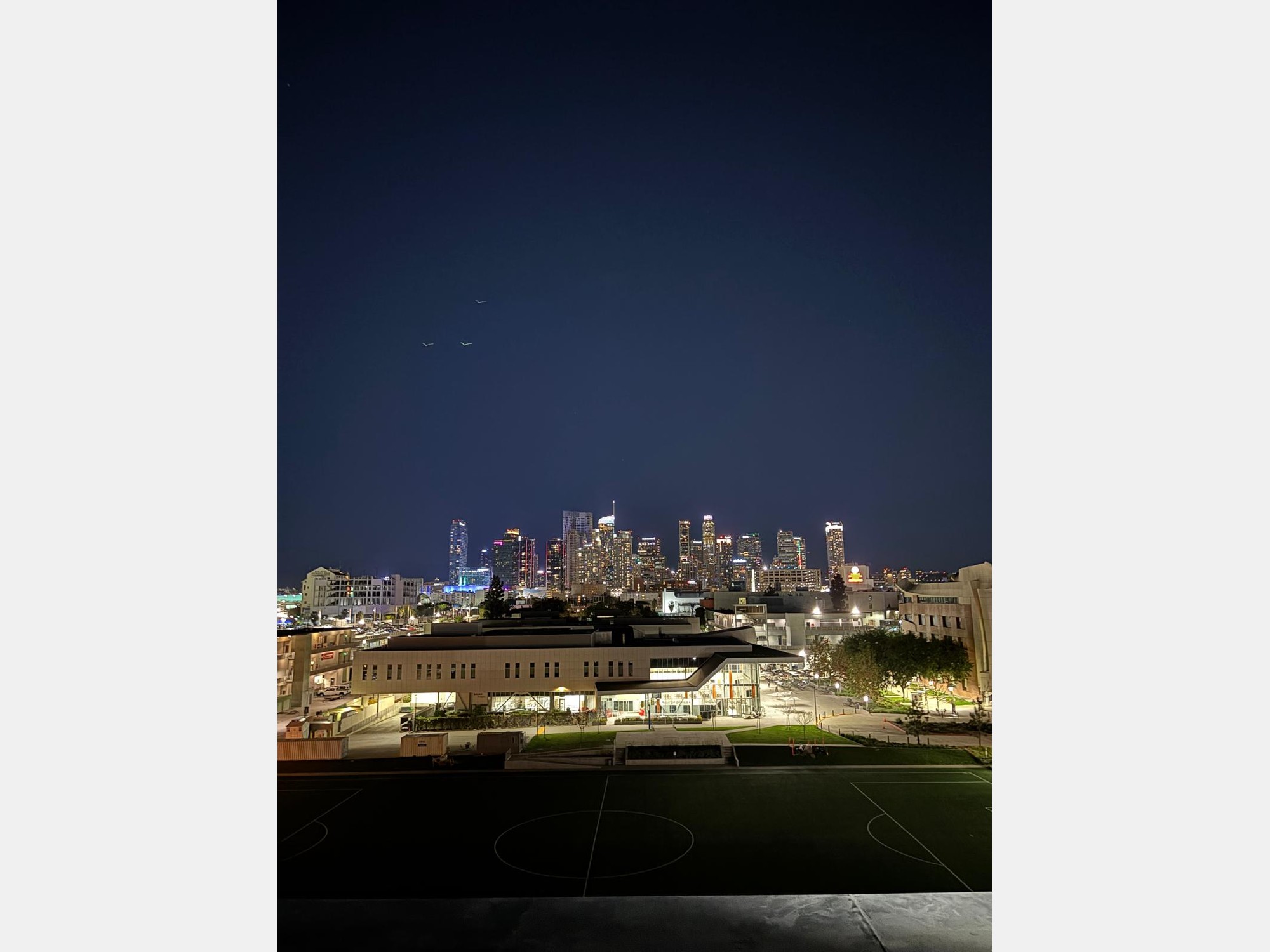
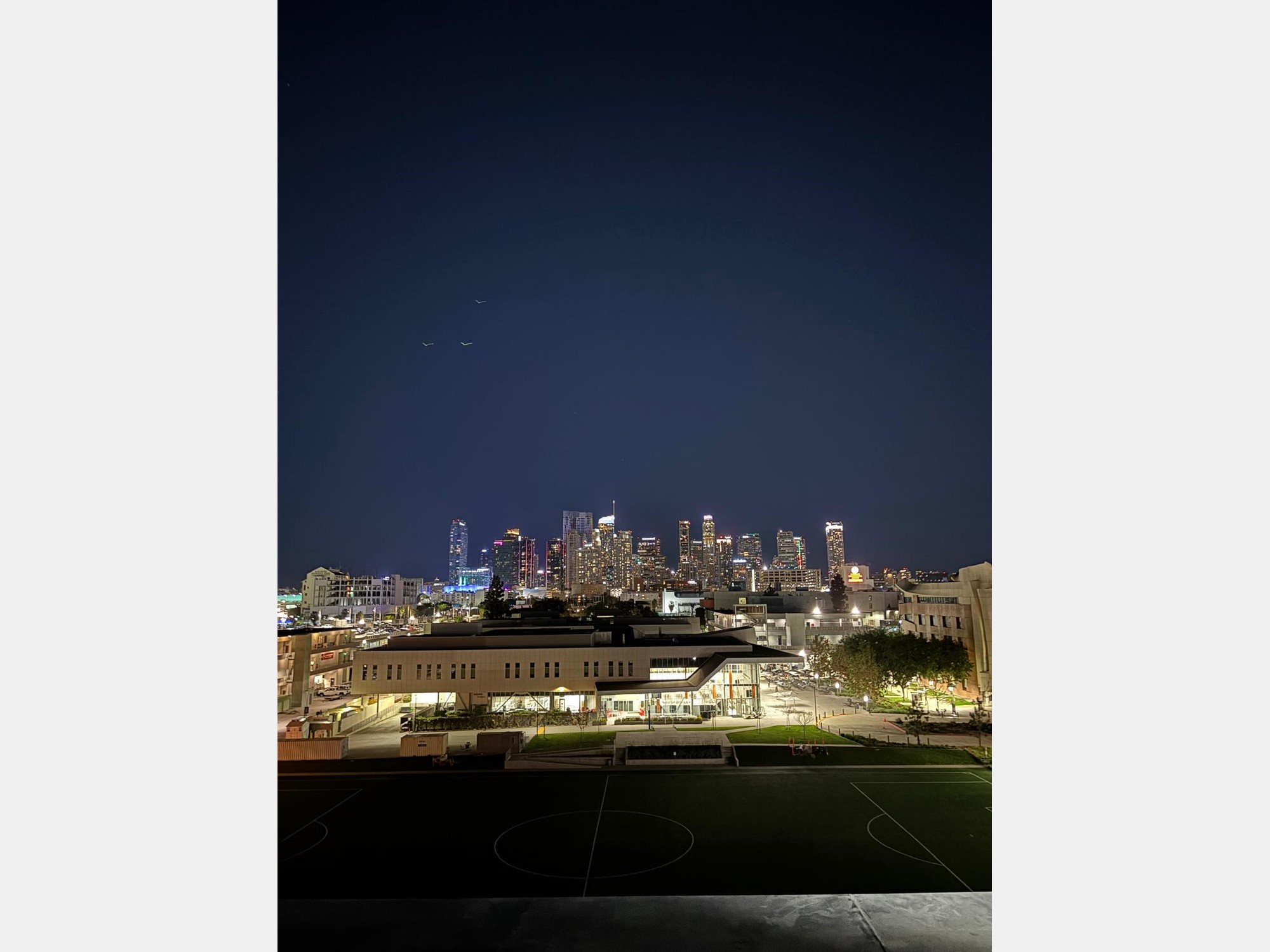
I lived at the Lorenzo, a large apartment complex that is very popular among exchange students. While the customer service can be quite frustrating and slow, the facilities themselves are excellent. The complex offers a wide range of amenities, including rooftop pools with impressive views of the Los Angeles skyline, volleyball and basketball courts, a gym, study areas, and various social spaces. In my opinion, living at the Lorenzo is one of the best ways to connect with other exchange students, especially those from Europe. Since many international students live there, it is very easy to make friends and build a social network from the beginning of the semester. The Lorenzo is located about a 20-minute walk from campus. However, the complex provides shuttle buses to USC approximately every 20 minutes, making transportation very convenient. Regarding the surrounding area, it is important to be aware of your surroundings. The complex is located in South Los Angeles, and I would not recommend walking toward Downtown Los Angeles, particularly at night. On the other hand, the areas around Figueroa Street and the USC campus are heavily monitored and protected by the USC Department of Public Safety and generally feel safe. Nevertheless, it is common to encounter homeless individuals in the area, which is a normal part of everyday life in Los Angeles.
Campus The USC campus is one of the highlights of studying at the university. It is very large, well-maintained, and offers a wide range of facilities for students. Besides multiple gyms, swimming pools, sports fields, and a running track, USC provides numerous study spaces, libraries, and recreational areas. A central part of campus life is the USC Village, a modern area directly next to campus where students can find grocery stores, restaurants, cafés, and various shops. Whether you want to grab lunch between classes, get a coffee, or run errands, most daily needs can be covered within walking distance. The Village also includes Rocks & Reilly’s, one of the most popular bars among USC students. Academic Culture Compared to my experience at WU, the academic culture at USC felt more interactive and campus-oriented. Many students spend a significant part of their day on campus, whether studying, participating in student organizations, attending sporting events, or simply meeting friends. While academic expectations are certainly high, there is generally a strong emphasis on balancing academics with extracurricular activities and social life. Class sizes tend to be smaller than at WU, which often allows for more interaction between students and professors. Overall, the learning environment felt very personal and engaging. Teaching Style The teaching style at USC depends heavily on the specific course and professor. Therefore, it is difficult to make a general comparison. Some classes are lecture-based, while others focus on discussions, presentations, group work, or case studies. Most courses are structured around a midterm exam and a final exam, although this varies by professor. In my experience, attendance requirements were generally relaxed, and attendance was rarely checked. However, participation can still contribute to the final grade in certain classes. Course Recommendations USC offers a very wide variety of business courses, so I would recommend carefully reading the syllabi and selecting courses based on your personal interests rather than choosing solely based on workload or reputation. One recommendation I would strongly make is to take advantage of USC’s sports courses, especially if you can transfer them as free electives at WU. During my semester, I took surfing, golf, and basketball, and they were among the most enjoyable parts of my exchange experience. These courses are typically very practical, with approximately 90% of the time spent actually participating in the sport and only a small theoretical component. For example, the surfing class involved weekly surfing sessions in Santa Monica every Friday. If you are interested in trying a sports course without committing to exams and assignments, USC also allows students to audit certain classes. Auditing means that you can attend and participate in the course without receiving a grade or academic credit. I chose to audit surfing because the Friday schedule occasionally conflicted with weekend trips, and it gave me greater flexibility while still allowing me to participate in the course.
for the entire exchange
Public Transportation Public transportation in Los Angeles exists but is relatively limited compared to European cities, and I rarely used it during my semester. For students who have never been to Los Angeles, it can be difficult to imagine the scale of the city. Distances are enormous, and many popular destinations are located 30–50 kilometers away from Downtown Los Angeles. The city is largely built around an extensive network of highways, making car travel the most practical option. If you plan to explore Los Angeles beyond the immediate campus area, I would strongly recommend renting a car. During my semester, five of us shared one vehicle, and in my opinion, this significantly improved our overall experience. We rarely had conflicts regarding its use, as long as we communicated and coordinated our plans in advance. The Lorenzo provided a shuttle service to campus, although I often preferred the 20-minute walk. In addition, USC offers free Lyft rides within the surrounding campus area during the evening hours, which makes getting around safely and conveniently very easy. Safety Situation Before arriving in Los Angeles, I had heard many concerns about safety in South Los Angeles. However, my personal experience was considerably more positive than expected. While the area is certainly different from cities such as Vienna, I generally felt safe throughout my stay. It is common to encounter homeless individuals throughout Los Angeles, both during the day and at night. In my experience, however, these encounters were usually harmless. The areas directly surrounding USC are heavily monitored by the university’s Department of Public Safety and local law enforcement, creating a secure environment for students. That said, some neighborhoods farther away from campus, particularly toward Downtown Los Angeles, Vernon, or Watts, can feel less comfortable, especially late at night. As in any large city, it is important to remain aware of your surroundings and use common sense. Overall, I found the safety situation to be much better than I had initially expected. Social and Leisure Activities One of my strongest recommendations is to actively connect with other exchange students early in the semester. USC attracts exchange students from universities all across Europe and the world, and building a social network early makes it much easier to take advantage of everything Los Angeles has to offer. As a result, there was almost always something happening. Whether it was playing sports, organizing day trips, exploring different parts of the city, or simply spending time together, there was never a shortage of activities. In my free time, I frequently played golf, basketball, and volleyball, went surfing, or spent time at the beach, particularly at Manhattan Beach. Every Wednesday, many USC students gather at Rocks & Reilly’s in the USC Village, making it a popular social meeting point. On weekends, there are usually parties, social events, and activities organized by various student groups. Game days are another major part of student life at USC. Football and basketball games, in particular, attract large crowds and create an exciting atmosphere that is worth experiencing at least once during your semester. Events As one of the largest metropolitan areas in the United States, Los Angeles offers an enormous variety of events throughout the year. Almost every weekend there are concerts, sporting events, festivals, cultural activities, and entertainment options taking place somewhere in the city. In addition, the traditional American college experience is very present at USC. Fraternity and sorority events are common, and there are numerous opportunities to participate in social activities both on and off campus. Sports Options USC offers excellent opportunities for students who enjoy sports. The university provides access to high-quality gyms, sports facilities, and recreational programs. Basketball is particularly popular and easy to play both on and around campus. Students who have access to a car can also take advantage of activities such as surfing and golf, both of which are widely available throughout Southern California. Volleyball is another popular option among students, and there are many opportunities to participate in both casual and organized sports during the semester. For students interested in maintaining an active lifestyle, USC and Los Angeles provide outstanding opportunities that are difficult to find at many other exchange destinations.
The most valuable part of my exchange semester was undoubtedly the people I met. I made friends for life from all over the world, and together we quickly became like a family. Combined with the incredible lifestyle in Los Angeles, this made every day feel special. Some of my favorite memories are surfing in January under blue skies and warm temperatures, then watching the sunset with friends afterwards. Looking back, it was the people and shared experiences that made my exchange truly unforgettable.