
Details
- Türkiye
- BaWiSo-23
- Undergraduate
- SoSe 2026
- Time spent at the partner university: 5 months
- Contact: Login to see contact information



I highly recommend starting the preparation process early, but not too early. Koç University provides clear instructions by email, so make sure to read all incoming information carefully and complete the required steps before the deadlines. If possible, arrange your accommodation before arriving in Istanbul, as it makes the first days much less stressful. I also recommend downloading useful apps such as BiTaksi, Moovit, and the Istanbul public transport app in advance. Getting an Istanbulkart as soon as you arrive is essential for using public transport. Finally, bring a bank card with low foreign transaction fees and make digital copies of important documents such as your passport, insurance papers, and admission documents. Overall, preparation was straightforward as long as I followed the instructions from Koç University and WU. If you don’t stay on campus (I didn’t stay on Campus), choose accommodation with good transport connections. Koç is located quite far north, so your daily commute can easily take around an hour or more depending on where you live. Join the WhatsApp/ESN/international student groups before arrival. They are very helpful for finding roommates, getting course advice, and meeting people from the first day.
I lived off campus in a private apartment in a residence, which I found through Airbnb before arriving in Istanbul. The apartment had a separate bedroom, living room, kitchen, and bathroom. It was modern, comfortable, and extremely safe, as the residence had 24/7 security at the entrance. However, it was quite expensive, costing around €1,200 net per month. Before renting this apartment, I considered booking a shared apartment through Colife because it was advertised as a female-only flat. However, during the viewing, I was informed that it was actually a mixed-gender apartment, so I decided not to rent it. I had also paid a €50 reservation fee in advance, which unfortunately was never refunded. Based on my personal experience, I would not recommend Colife. Instead, I would highly recommend joining the Erasmus WhatsApp groups as early as possible. Only later did I discover a large Erasmus WhatsApp group (mostly German-speaking students, not only from Koç University), where students regularly post available shared apartments. There are many female-only and male-only flats, and all of my friends found their accommodation there and were very happy with it. Most shared apartments cost around €400–550 per month, making them much more affordable than renting a private apartment. I visited several of my friends’ apartments, and they were all in very good condition. Many Erasmus students found their accommodation through Mikail Civelekoğlu (+90 553 377 59 70), a local real estate agent who is well known among Erasmus students. He speaks German, which makes communication much easier for students from German-speaking countries. He helped many of my friends find affordable apartments, and they were all very satisfied with both the accommodation and his support. I would definitely recommend contacting him if you are looking for accommodation. I also recommend searching for and joining the Erasmus WhatsApp groups for your semester before arriving. They can often be found online or through other incoming students. These groups are one of the best ways to find accommodation, meet other exchange students, and get useful information before and during your stay. If you decide to live off campus, I strongly recommend choosing accommodation close to an M2 metro station, as it makes commuting to Koç University much faster. Alternatively, living near a Metrobus station is also a great option because it operates 24/7. Otherwise, if you stay out late, you will often need to take taxis. Although taxis are relatively affordable, the costs can quickly add up over the semester. Overall, I was very satisfied with my apartment because it was comfortable and very safe. However, if I had known about the Erasmus housing groups beforehand, I would probably have chosen a shared apartment instead, as it would have been much more affordable while still offering excellent living conditions. If you are interested in staying in the same residence, I would be happy to share the contact details of my Airbnb host. Feel free to contact me. If you have any other questions about Koç University, accommodation, transportation, or Erasmus in general, please don’t hesitate to reach out. I would be more than happy to help! One downside of living in my area (it was a very nice area and since i had Uni only twice a week it didn’t vorher me because everything else, sightseeing, going out, was very close to me) was the commute to Koç University. On average, it took me about 1.5 hours each way, with the journey ranging from approximately 1 hour and 20 minutes to a maximum of 2 hours, depending on traffic and connections. I usually had to take a bus, then the M2 metro, and finally the Koç University shuttle. Since the shuttle only operates at specific times, planning ahead was important. Despite the long commute, I personally preferred living in a more central area because there was much more to do outside of university.
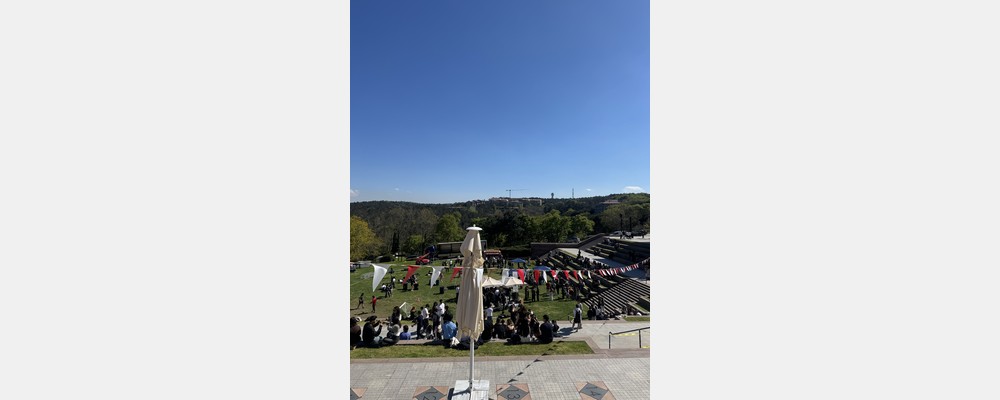
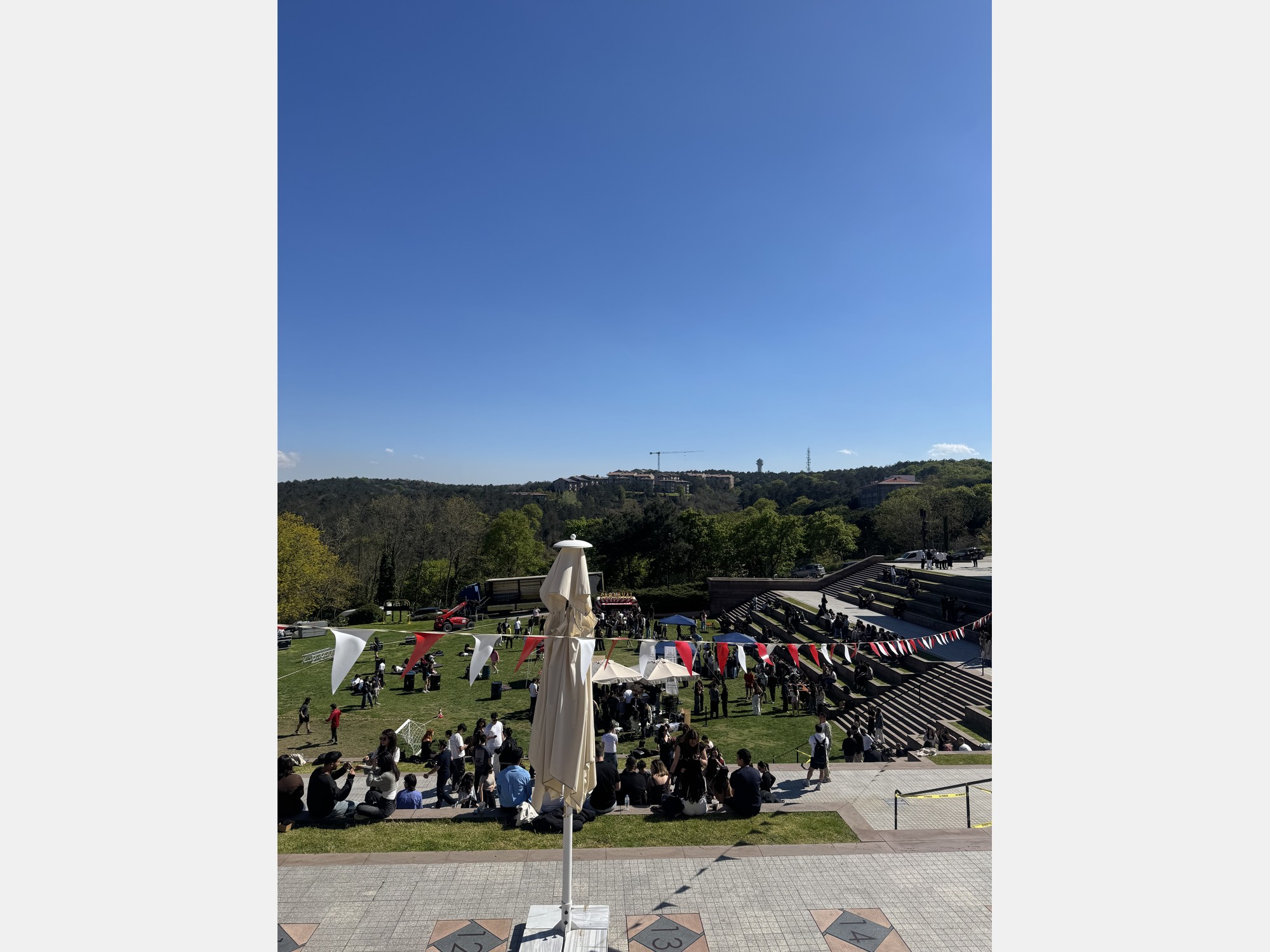
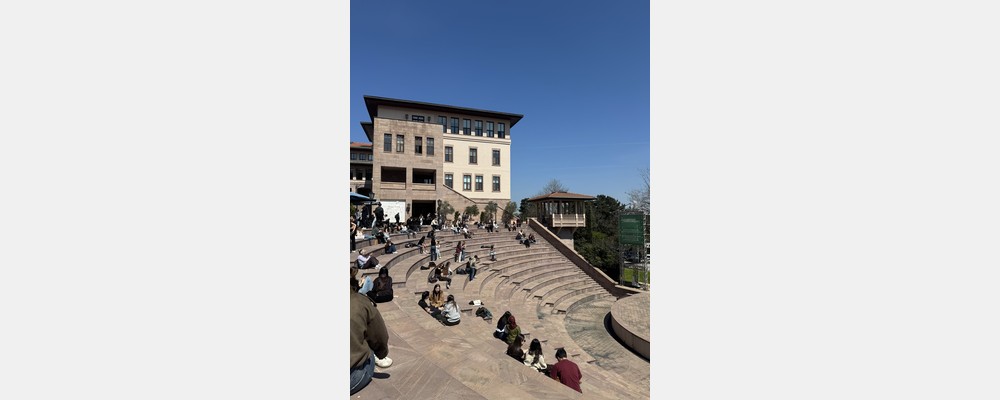
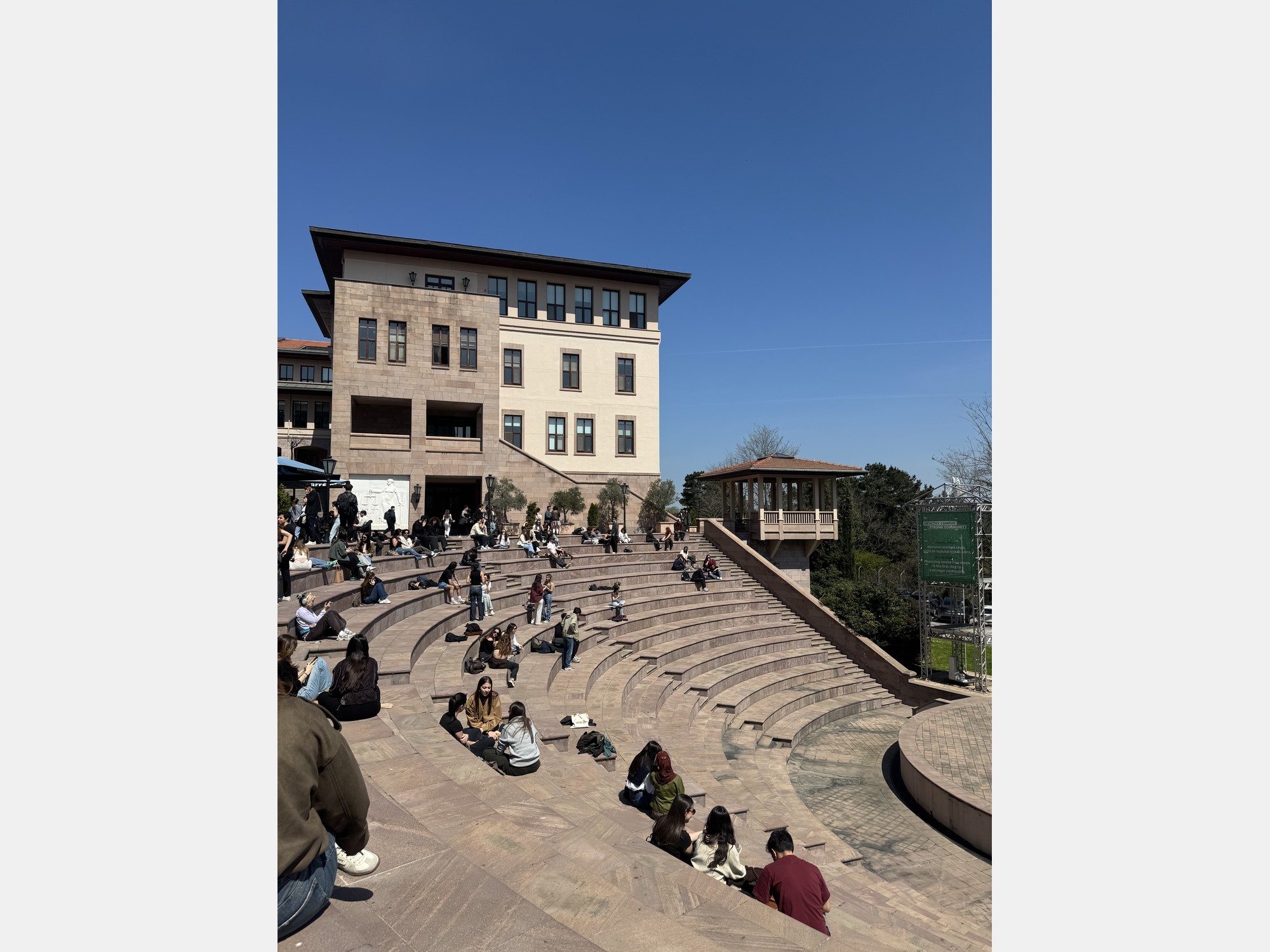
Koç University has a beautiful, modern campus with excellent facilities. The campus is quite large, so it can be a little confusing at first, but you quickly get used to it. There are many cafés, restaurants, study areas, sports facilities, and green spaces where students spend time between classes. One thing I really liked was the wide variety of student clubs. There are clubs for almost every interest, including dance, sailing, sports, music, entrepreneurship, and many more. Although I personally did not join any clubs, they seemed to be very active and are a great way to meet both local and international students. Campus life is very lively. There are events throughout the semester, and Koç University organizes a large campus festival every spring (and apparently also in the fall). I highly recommend attending it. It feels like a real music festival with several well-known artists performing on campus. I only found out about it through local students, so I recommend asking the International Office or Turkish students about the dates. The professors were generally very friendly, approachable, and supportive. Compared to WU Vienna, I found the teaching style to be much more interactive, with discussions, presentations, and group work rather than only traditional lectures. The overall atmosphere was also much more personal than at WU. Because the classes were much smaller, it was easy to get to know the professors, ask questions, and have conversations with them. It really felt like the professors knew their students personally, creating a much closer student–professor relationship than I was used to at WU, where lectures often feel more anonymous due to the large number of students. Overall, I also found the courses at Koç University to be considerably easier than comparable courses at WU Vienna. The workload was significantly lower, and earning good grades was much more manageable. If you are able to pass similar courses at WU, you should have no major difficulties passing them at Koç, as long as you attend classes and prepare for the exams. One important thing to know is that attendance is taken very seriously. Most courses require around 80% attendance, so you should plan your schedule carefully. I took 24 ECTS and arranged my timetable so that all my classes were on Mondays and Wednesdays, with each course meeting twice a week. This meant I only had classes on two days each week, roughly from 10:00 a.m. to 4:00 p.m., while the rest of the week was free. I would definitely recommend planning your schedule this way if possible. Course recommendations: * Marketing Management (Prof. Güneş biliciler) – My absolute favourite course and a wholehearted recommendation. The professor was excellent, the lectures were engaging, and the workload was very manageable. As long as you attend class and pay attention, it is very easy to achieve a good grade. The exams were straightforward and fair. This was by far my favourite course during the exchange. * Marketing Strategy (Prof. Nükhet harmancioglu) – Another course I would definitely recommend. Although the course includes a marketing simulation, it turned out to be much easier than I initially expected. The professor was very kind and supportive, and the overall workload was low. * Principles of Economics (Prof. Ahmet Çimenoğlu) – A first-year course that was relatively easy and well organized. The professor was extremely understanding, approachable, and supportive, making it an excellent choice for exchange students. Course I would not recommend: * Macroeconomics (Prof. Alper Yılmaz) – Although the workload during the semester was relatively light, the exams were disproportionately difficult. In my opinion, they required a much deeper background in macroeconomics than the course itself suggested. Compared to the other courses I took, this was by far the most challenging one and not one I would recommend to future exchange students.
for the entire exchange
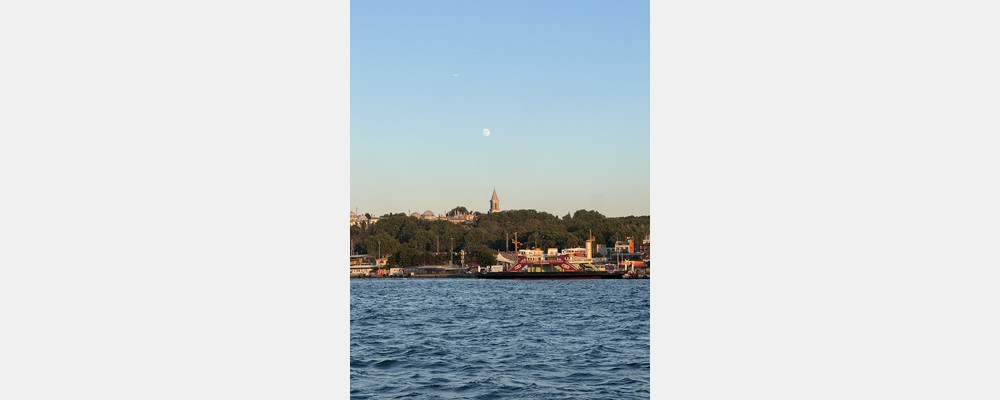
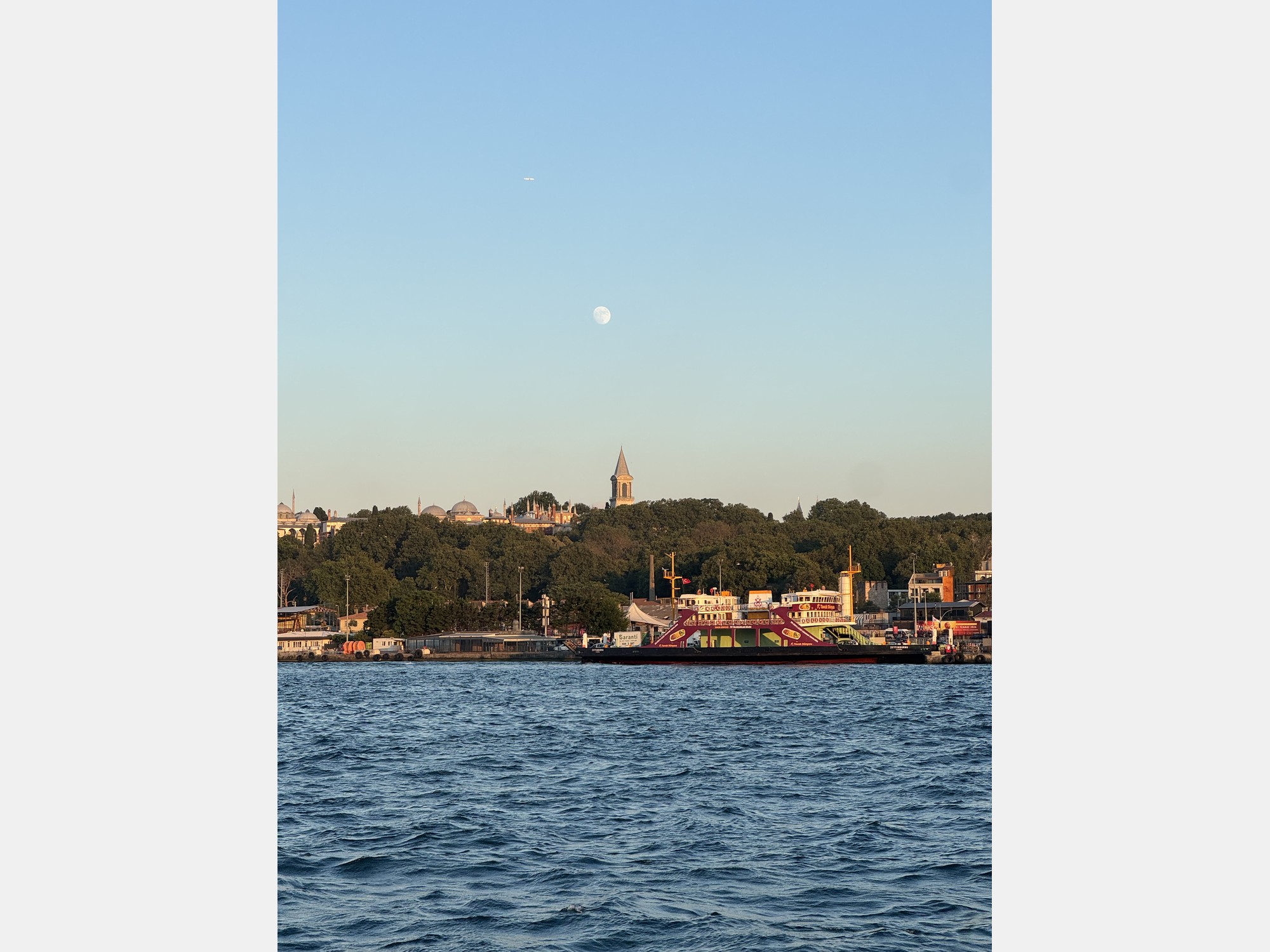
Istanbul offers a very good public transportation system, and you can reach almost every part of the city by public transport. However, because the city is so large, travelling from one place to another can still take quite a long time, even if the connections are good. Buses usually stop operating at around 11:00 p.m., while the metro generally runs until around midnight (slightly later on weekends). If you stay out late, you will often need to take a taxi. For this reason, I highly recommend living close to a Metrobus line if possible, as it is the only major public transport service that operates 24/7. For taxis, I recommend using Uber or BiTaksi. Both apps worked very well during my stay and made getting around the city easy and reliable. One of my favourite ways to get around the city was by ferry. It is often faster than travelling by road because there is no traffic, and the views of the Bosphorus are beautiful. I would definitely recommend using it whenever possible. Overall, I felt very safe during my stay in Istanbul and never had any negative experiences. As in any large city, it is still important to stay aware of your surroundings, avoid quiet side streets late at night, and, if possible, travel with friends in the evening. Taking normal precautions is sufficient, and I always felt comfortable exploring the city. There is always something to do in Istanbul. Whether you enjoy cafés, restaurants, shopping, nightlife, museums, sports, or simply walking around different neighbourhoods, you will never get bored. Every district has its own unique atmosphere and is worth exploring. I would also highly recommend attending a football match while you are in Turkey. Football is a huge part of Turkish culture, and the atmosphere in the stadiums is incredible. To buy tickets, you need to create a Passo account through the Passo app, so I recommend setting it up in advance. I also went to a basketball game, which was another amazing experience. Sports are a very important part of Turkish culture, and the atmosphere at both football and basketball games was unforgettable. If you enjoy music, I also recommend going to a concert. Tickets for many Turkish artists are surprisingly affordable, often costing only €10–15, and the concerts are very well organized and enjoyable. Most tickets can easily be purchased through Bubilet, which is the platform I used throughout my exchange. I would definitely recommend checking it regularly, as there are many concerts, festivals, stand-up shows, and other events taking place all over Istanbul. Another thing I really appreciated was how friendly and welcoming most people were. Even if there was a language barrier, people were usually willing to help. Learning a few basic Turkish phrases before arriving is definitely helpful and is greatly appreciated by locals. Overall, I would highly recommend making the most of your time outside of university. Explore different neighbourhoods, use the ferries, attend sporting events and concerts, and experience as much of the city as possible. Istanbul has an incredible amount to offer, and my time there exceeded all of my expectations.
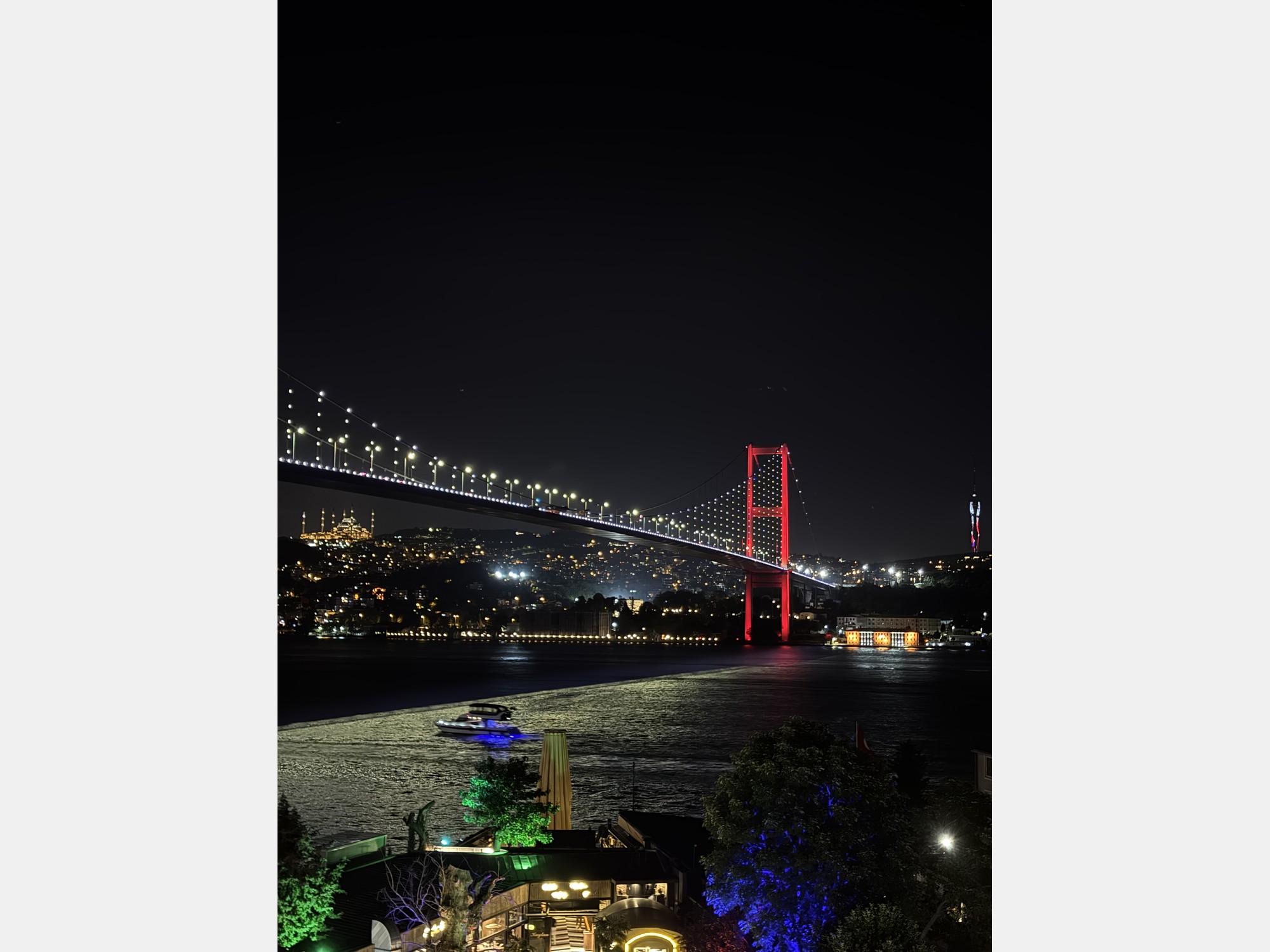
My exchange semester at Koç University was without a doubt the best experience of my life. I met incredible people from all over the world, created friendships that will last a lifetime, and grew both personally and academically. Some of my favourite memories were the spontaneous evenings with friends by the Bosphorus, staying there until sunrise and simply enjoying life together. My advice is simple: say yes to every opportunity, step out of your comfort zone, and make the most of every single day - it will be over much faster than you think.