
Details
- Chile
- BBE-18
- Undergraduate
- WS 2025
- Time spent at the partner university: 5 months
- Contact: Login to see contact information

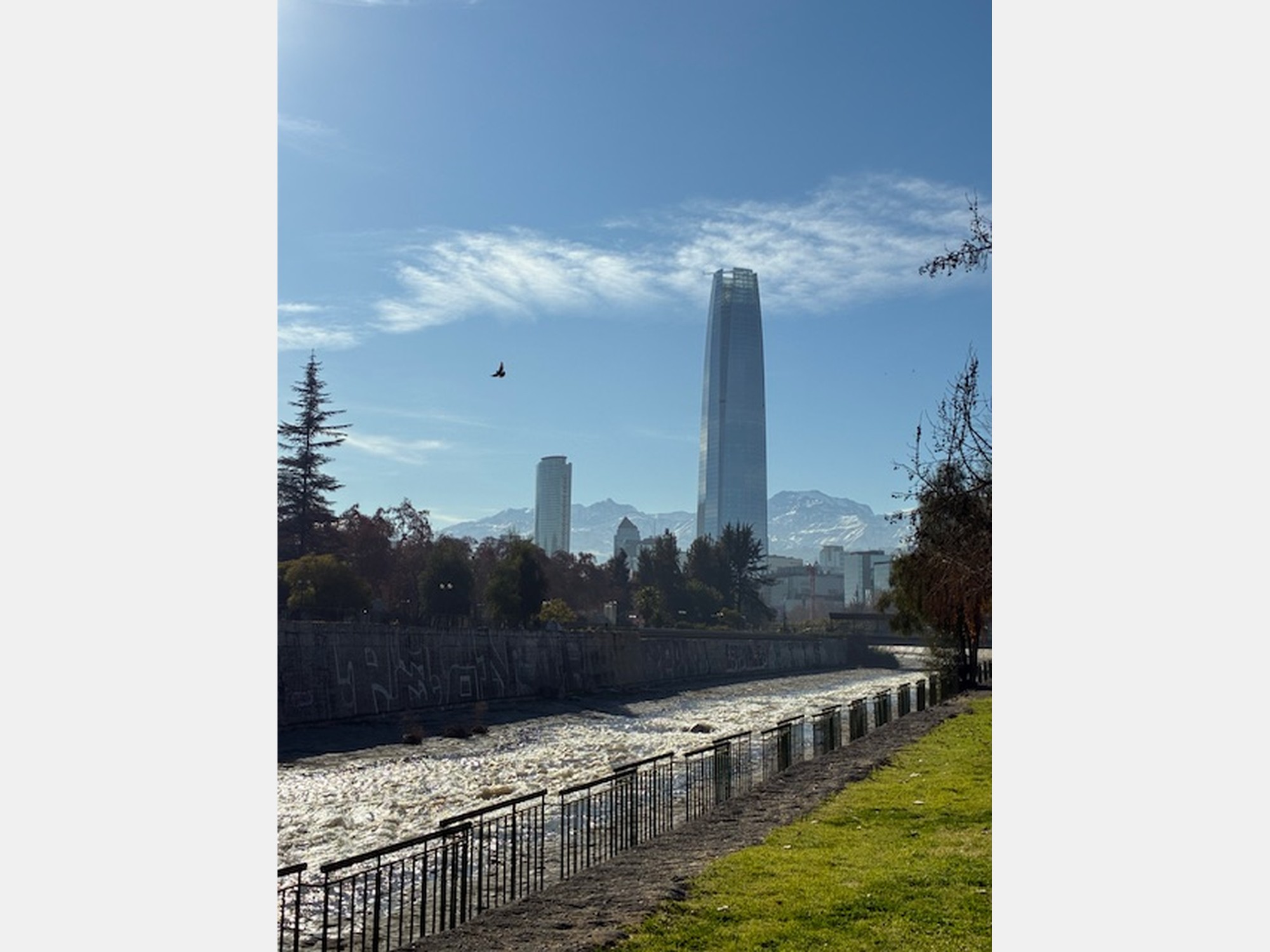
Application process: 1. Thoroughly engage with the country of interest. (current politics, economy, societal dos and don'ts) 2. Be aware of possible dangers/hazzards in your country of interest (criminality rate, natural catastrophes) 3. Really think of unique, personal reasons, why you want to spend your exchange there. 4. Regarding Chile or other Spanish speaking countries: knowing some bits of Spanish can boost your chances significantly. In terms of preparation, the most important information is to start early! As soon as you got accepted by the host university, look for visa applications, accomodation and generally start to organise your studies.
1. Prep beforehand matters a lot (districts vary hugely)! In Santiago, “nice vs. sketchy” can change street by street, and the same commune can feel totally different by day vs. late evening. A common pattern is: areas like Providencia / Las Condes / Vitacura are usually considered safer and more “settled,” while Santiago Centro can be convenient and cultural but needs more caution at night depending on the pocket. Practical pre-checks (worth doing before paying anything): - Pin the exact address and check walking routes at night (to metro + groceries). - Prioritize being close to Metro Line 1 (or a direct bus corridor) if you’ll commute a lot. - Ask what’s included: utilities, heating/AC, internet, building security, noise rules. - If it’s a room: clarify bathroom sharing, guests, kitchen use, cleaning, and deposit rules. 2. Platforms you can use - Airbnb: best for 1–4 weeks while you learn the city; often pricier long-term. - RUMI (student-focused): listings geared toward exchange students in Santiago/Valpo/Viña. - CompartoDepto: classic “find a room / find roommates” marketplace in Chile. - LivinnX (often written “LivinnX Santiago”): more like managed units / student-housing style, typically furnished and with services/security included. Also, there are student houses that are quite popular. However, I only recommend these if you don't mind noise all day long and are a very sociable person, as up to 30 people stay there. 3. Best districts to live in - Providencia – A top all-rounder: walkable, lots of cafes/services, strong transit access, popular with foreigners. - Ñuñoa – More local/residential, good food and neighborhood feel; safety can vary by area, so pick your micro-location carefully. - Las Condes – Modern, business-heavy in parts, lots of newer buildings; often quieter and “orderly,” but can feel less lively and more car-centric depending on where you are. - Vitacura – Upscale, very residential, generally calm; great if budget allows and you like quieter living. “Nice-but-be-smart” central pockets - Barrio Lastarria – Culture, restaurants, walkability; can be noisy and attracts pickpocketing like many touristy zones. - Barrio Bellas Artes – Artsy and central; similar pros/cons to Lastarria. - Barrio Italia – Trendy food/design area between zones; great vibe, but still do the same street-by-street checks. I stayed two months in Providencia and I absolutely loved it. For my single aparment, I payed 770€ per month. Afterwards, I moved to Santiago centre into a shared flat (via rumi) and only payed 300€.
1. Campus infrastructure The campus infrastructure is great overall. One practical downside: classrooms can get quite cold, since there is no heating, so it’s worth bringing an extra layer even indoors. There’s a small gym, but the university offers lots of sports activities, which makes it easy to stay active beyond the gym itself. 2. Academic culture The academic culture feels very chill and approachable. A big part of learning happens through class participation, and the teacher–student relationship is super friendly and informal compared to what you might be used to at WU Vienna. It’s easy to ask questions, talk to professors, and have more direct interaction in class. Especially if you are an exchange student in a chilean class, your opinions are valued and everybody tries to include you and your culture. I really enjoyed going to class in Chile! 3. Teaching style & assessment Teaching is strongly participation-based and often presentation-heavy. In my experience, professors prefer presentations over classic written tests, and that shapes how you prepare: more teamwork, speaking, and continuous engagement rather than cramming for one exam. 4. Courses compared to WU Vienna Compared to WU Vienna, the courses felt easier overall (at least the ones I took). I specifically chose courses taught in Spanish, which was great for language immersion, and the supportive classroom vibe made participating in Spanish feel less intimidating. One really easy but funny course is Chilean Spanish. I can only recommend taking it, as you learn a lot about the culture while having fun with your friends.
for the entire exchange
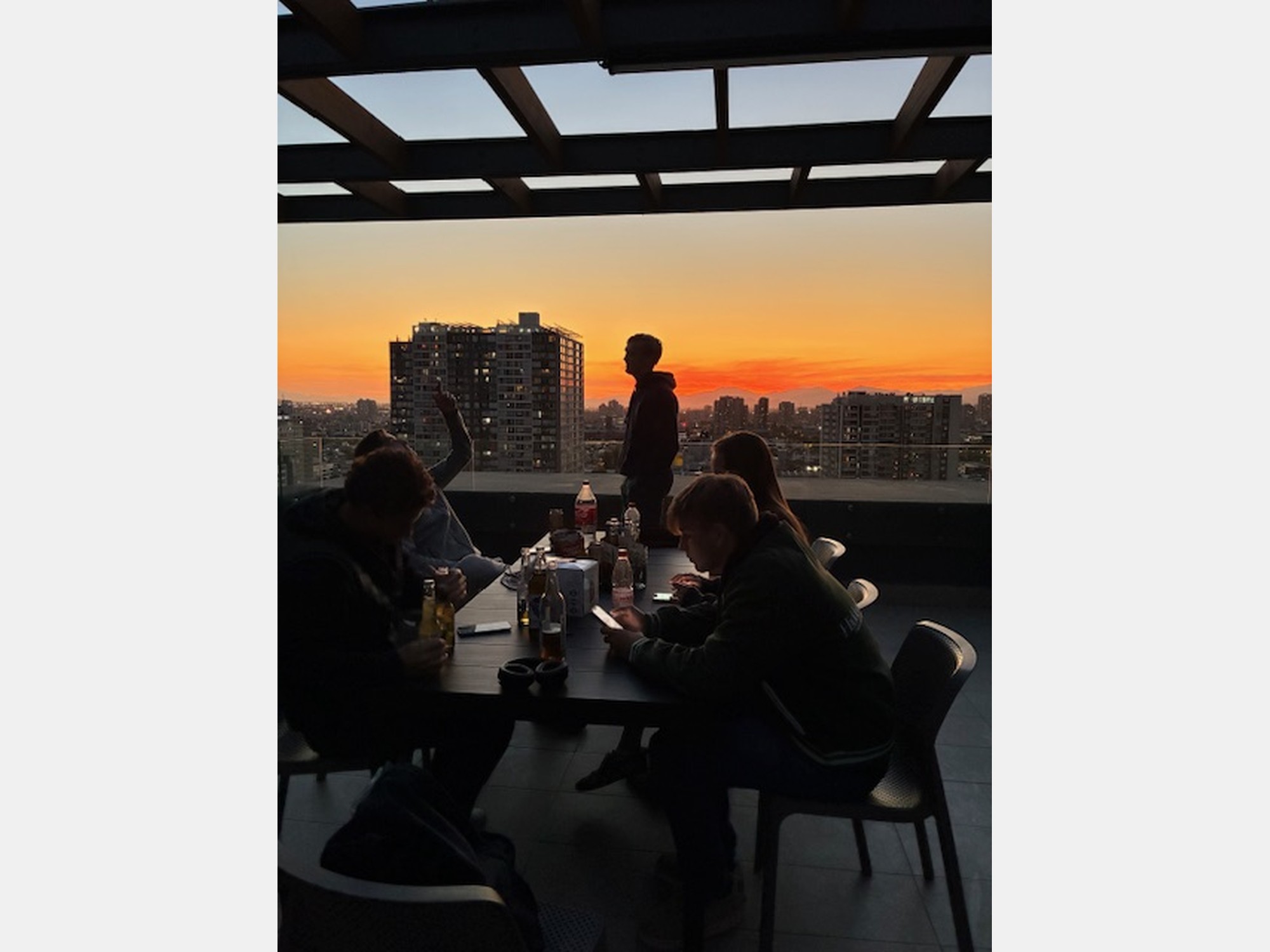
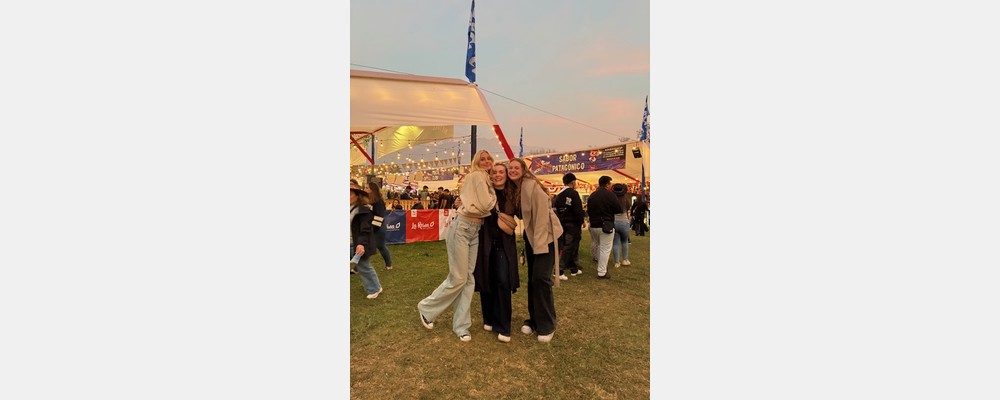
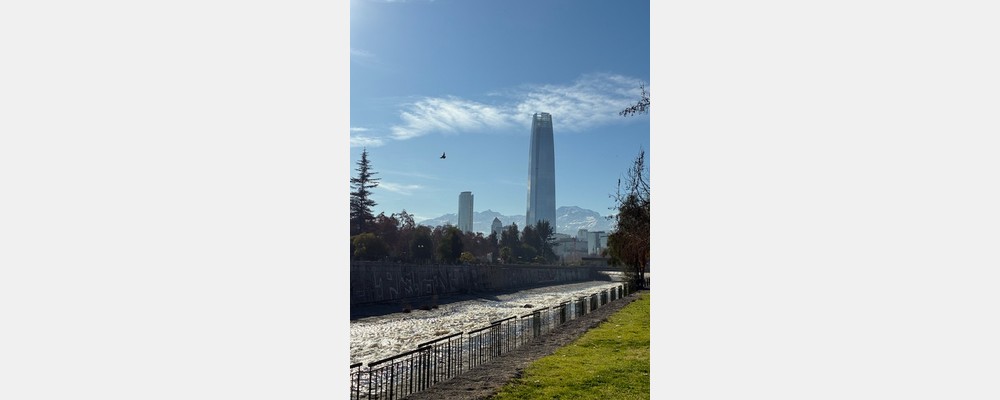
1. Public transport Metro: really good—clean, safe, and efficient. It’s the easiest way to get around most days. Buses: useful, but irregular. Also, you often have to wave so the driver actually stops. Taxis: not recommended—they’ll often try to overcharge/scam (especially foreigners). Uber: technically illegal, but everyone uses it. It’s fast and feels very safe, especially for getting home after a night out. 2. Safety situation Safety varies drastically by area. In general, it can feel like two different cities: On the “left side” (as locals often frame it), there are areas that feel sketchy, and there are districts I would personally avoid, especially at night. On the “right side,” it’s noticeably safer—Las Condes can feel comparable to Vienna, where being outside after dark is normal. Practical safety habits that helped: - Keep belongings close and zipped. - In sketchier areas: don’t have your phone out; in general, try not to use your phone openly in public. - If you have light features (blonde/light brown hair, blue/green eyes), people will immediately recognize you as a foreigner—often called “gringo”—and you can be more of a target for pickpockets. The key is not to be scared, just stay aware and cautious with valuables. 3. Social & leisure activities (what you can do) There’s a lot to do in Santiago, so it’s easy to fill weekdays and weekends: Top sights in Santiago include: - Cerro San Cristóbal – the classic panoramic viewpoint over the city (especially nice on a clear day). - Plaza de Armas & the Metropolitan Cathedral of Santiago – the historical center with lots of city life around it. - Palacio de La Moneda – an important landmark and one of the main “must-sees” in the city center. - Barrio Lastarria – artsy area with museums, cafés, and a great evening vibe. - Cerro Santa Lucía – an easy, quick city-view spot right in the center. - Barrio Italia – one of the best areas for restaurants, bars, and going out. - Sky Costanera – huge 360° views from the city’s tallest tower (great at sunset). - Parque Bicentenario – a clean, modern park that’s perfect for a relaxed afternoon walk. Tip for exploring the city center: do a free walking tour with Tours4Tips (you don’t pay upfront; you tip what you think it was worth). It’s a really easy way to get oriented and see the main highlights fast. Food & going out: Barrio Italia is a favorite for restaurants, cafés, and a nice evening vibe. Sports & activities: tons of sports classes and group activities (and the city’s great for staying active if you like trying different classes). Also the university offers a bunch of different sports classes. 4. Events, parties, and exchange student life The university organizes some party/events, which makes meeting people easy at the beginning. “Miércoles Po” is the exchange-student staple: a huge Wednesday party that pretty much everyone knows and goes to. Do not worry, as an exchange student there will be more than enough parties to attend!
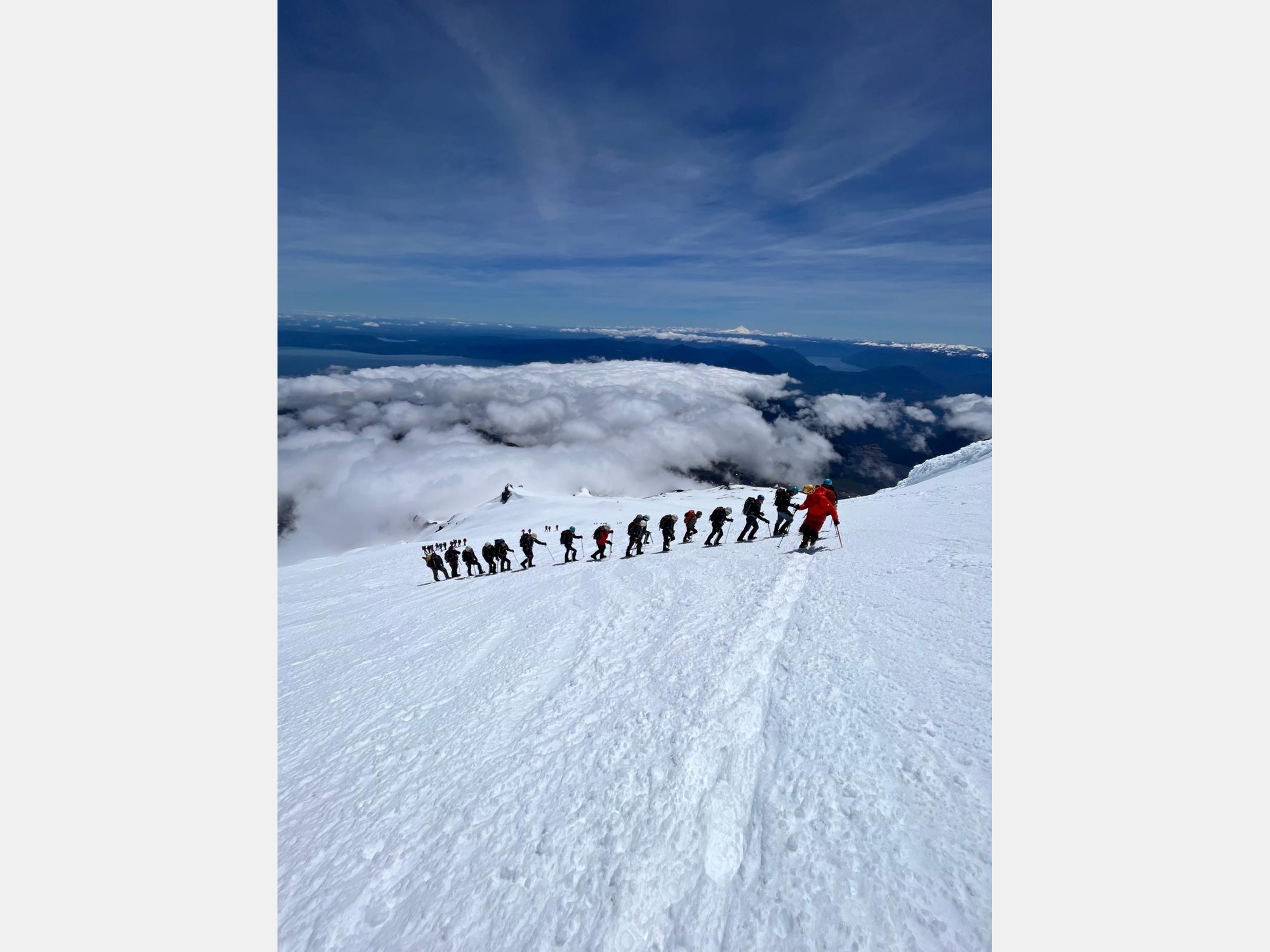
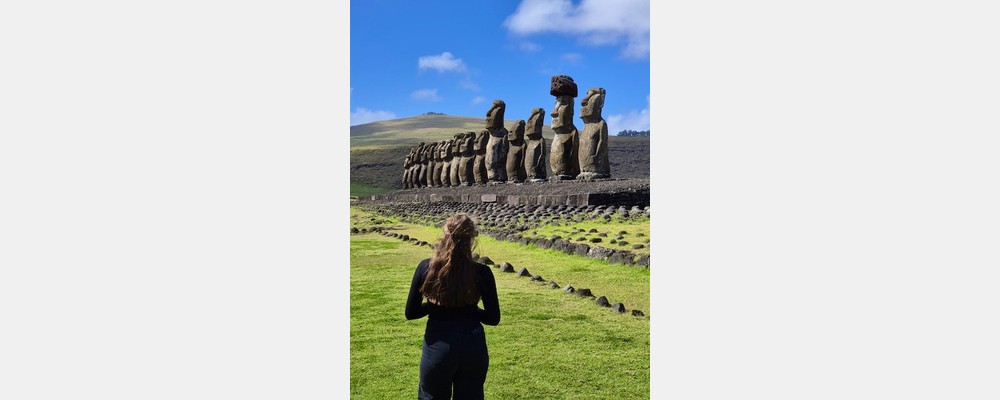
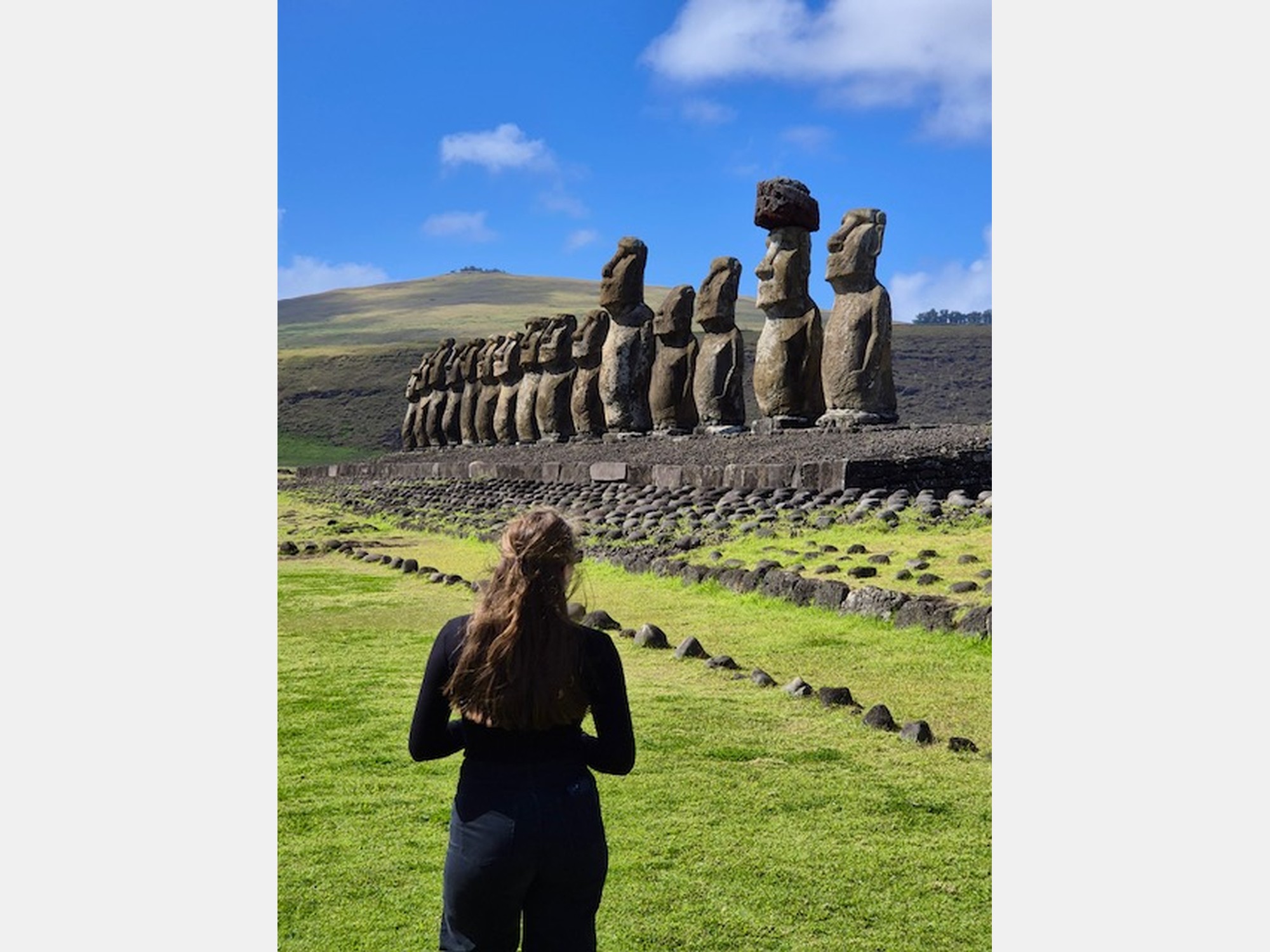
Chile is the most diverse country I’ve ever visited—stretching from the Atacama Desert in the north to subtropical Easter Island in the middle of the Pacific, and all the way to glaciers and penguins in Chilean Antarctica. Studying in Santiago for an exchange not only offers amazing travel opportunities within South America, but especially within Chile itself. The university was fantastic, and I was lucky to learn from truly wonderful professors—some of whom I’m still in touch with today. And believe me: the people you meet there are adventurous and funny, and they can become your closest friends in the blink of an eye.