
Details
- Sweden
- BaWiSo-23
- Undergraduate
- SoSe 2026
- Time spent at the partner university: 5 months
- Contact: Login to see contact information
There's really no need to over-prepare for Gothenburg. I chose to travel green and took the train from Vienna to Copenhagen, where I stayed one night. I had arranged to meet up with a classmate there who was also just arriving for his own Erasmus exchange, so we spent the day together before I continued on. From Copenhagen, I continued by bus straight to Gothenburg. There are plenty of options from Copenhagen, whether by train or bus. On packing: bring warm and waterproof clothing, since the weather in Gothenburg changes often and it can get quite cold. That said, if you forget something, there are plenty of second-hand shops around where you can pick things up and that goes for more than just clothing.
I personally opted for accommodation through the university. After submitting my application, I was able to apply for university-provided housing, and after some thought I decided to go for Olofshöjd, the biggest student accommodation in Gothenburg. I had my own private room with a small bathroom, which was more than enough for my stay. I shared a kitchen with 7 other people, which could occasionally be a bit of a challenge, but overall it worked out just fine. There's also an option to apply directly for rooms with a private kitchen, though these cost more. Olofshöjd is huge, with lots of space and different facilities, including a café to hang out at, an arts & crafts room, and free access to the sauna. There are good connections to the city center by tram or bus, and it's also easily walkable or bikeable — cycling was probably what I used most. Overall it's a great location with plenty of opportunities to meet new people and connect with other students, so I'd definitely recommend it. As for the shared kitchen, I think you get used to it pretty quickly and it stops being an issue. There's also a free shop at the accommodation, which is usually open once a week. It's a place where students who are leaving drop off items, and students who are arriving can pick them up and use them for their own needs — so it works as a continuous cycle. You can find all sorts of things there that you'll need when you first arrive, from kitchen supplies to bedding to general room equipment. I visited the free shop regularly myself and made good use of it — it can save you quite a bit of money, and it's sometimes surprising what you can find there. Olofshöjd is also close to an IKEA, in case you do need to buy things new, but as I mentioned, there's plenty to find secondhand too, whether around the city or through the free shop, where things are usually much cheaper and easier to get. One thing to keep in mind: when it comes to choosing and applying for accommodation, you need to be quite fast and react quickly once you get the notification that you can select a room. I met a lot of people who didn't get student accommodation and had to find housing on their own, and they said it was quite a hassle.
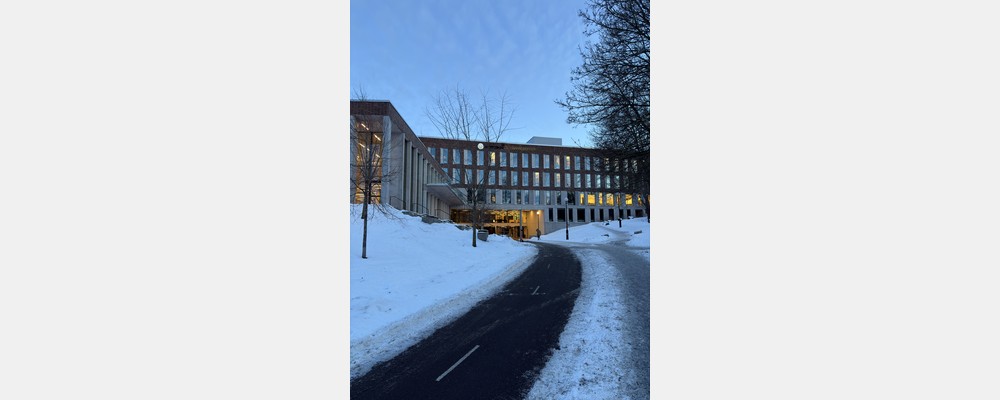
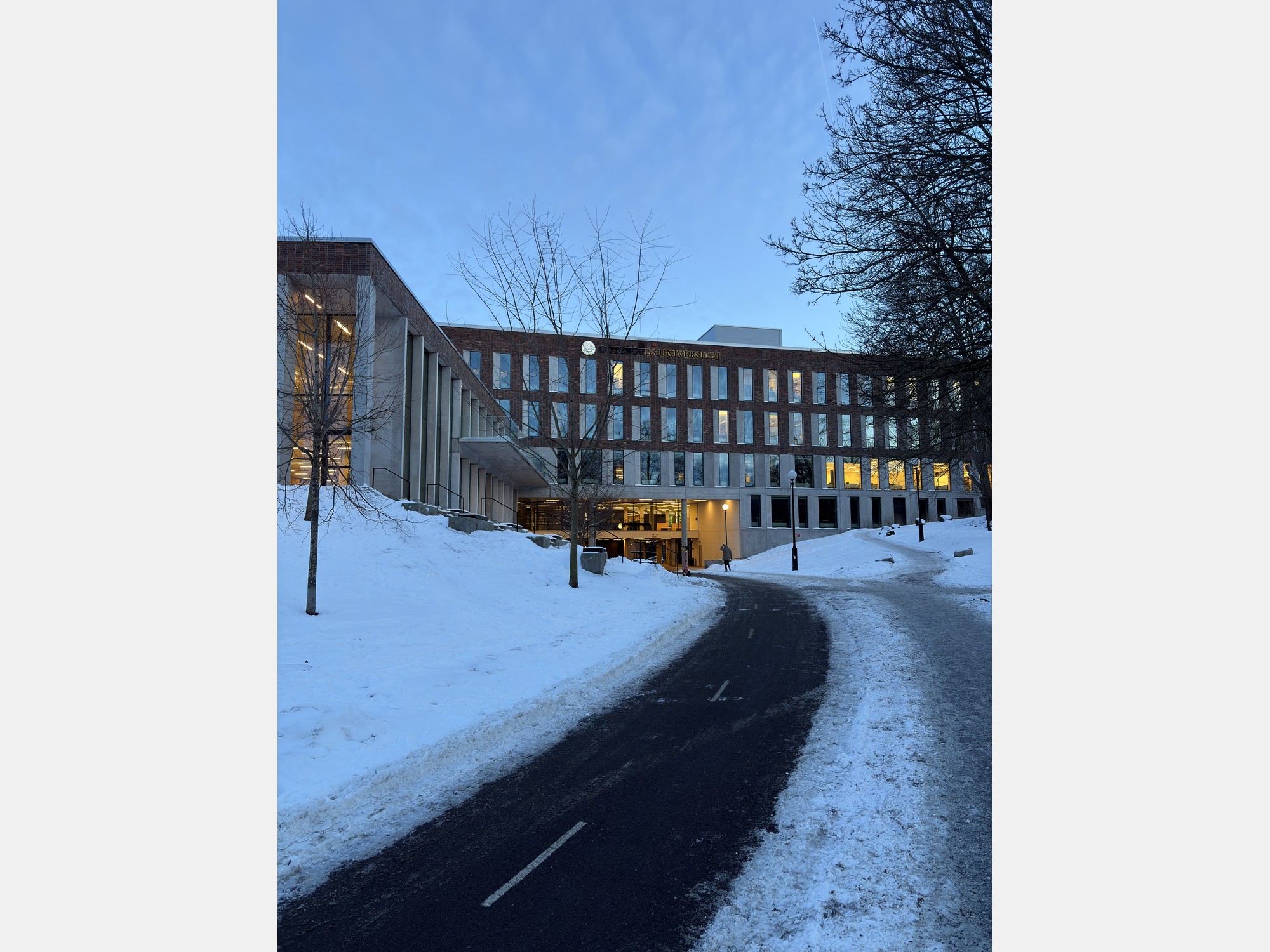
During my Erasmus I took the following courses: Growth and Welfare in a Historical Perspective, The Swedish Model in the Labour Market, Economic Geography: Economic Geography of Europe, and The East and Central European Experience. Each of these was worth 7.5 credits — there's also the option to choose courses worth 15 credits, but I didn't take any of those myself. Overall I enjoyed the courses I ended up taking; some were more demanding, others less so, but generally I'd say it was a pretty smooth experience. The one thing that was a bit disappointing was that when choosing courses, I originally wanted to take different ones, but unfortunately I wasn't granted access to them. From what I discussed with some other students who were able to take those courses, they weren't particularly specialized either, which was a bit frustrating. Still, in the end I was satisfied with how things turned out. The course system in Sweden works quite differently from Vienna. Each course is taught separately, so essentially only one course runs at a time. You take an exam or give a final presentation to get your grade, and only then does the next course begin, continuing like this throughout the semester. I really appreciated this, since you're not stressed about studying for multiple courses at once. The campus itself is a single building, which is different from WU, where the university is spread across many buildings throughout the city. I attended most of my lectures in this one building, but I could also use libraries and study spaces in other buildings around the city, which I appreciated since some were closer to where I lived or had more space. The building itself was usually quite lively, and there were events held there where you could meet other Erasmus students. During my stay I joined ESN and went on a trip to Lapland in northern Sweden — we spent a large part of the trip on the bus. However, I'd still recommend it; it was a great experience, and there are also a lot of other events which are a nice opportunity to meet people. The teaching style in Sweden is also quite different: most lectures don't have mandatory attendance, so you don't have to show up. Some sessions are occasionally mandatory, but that was more the exception, usually just one or two sessions per course were required, with the rest optional. Not many people tended to show up to lectures in general. Grading at the end of each course varied too,sometimes it was a written essay, sometimes a written exam, and sometimes an essay combined with a presentation.
for the entire exchange
Public transport in Gothenburg works really well. There are plenty of buses and trams to choose from, and one ticket works across all of them. You can buy tickets through the Västtrafik app and get a student discount, though overall it's still fairly expensive. There's also the option to buy a monthly or three-month pass, which I made use of during the winter months. Alternatively, you can walk or rent a bike through a subscription service like Styr & Ställ, which I ended up using. I got around exclusively by bike for about three months. Overall, I felt safe throughout my time in Sweden and during the whole exchange. I never ran into any problems, even in the evenings or early mornings. I never encountered any danger. There are also plenty of outdoor and sports activities to do in Gothenburg. I often went running in the nearby nature reserves, of which there are several, and I also frequently went bouldering. On top of that, there were a lot of events organized by ESN or the accommodation, where you had the chance to meet lots of people early on and then attend these events together as a group. My accommodation also had access to a gym, though I personally didn't end up using it. In general, there's a lot to do in Gothenburg, and I'd highly recommend it for everyday life. There are also some great coffee shops that run coffee tastings and other events, and there's a big coffee festival that I attended. I was really impressed by the atmosphere and the festival overall.
My exchange to Gothenburg was special right from the start. I chose to travel green, taking the train and a stopover in Copenhagen before continuing by bus. Living at Olofshöjd made it easy to meet people and feel part of a real community, from free shop treasure hunts to weekend trips like our ESN excursion to Lapland and many others. What truly made the exchange unforgettable, though, was the amazing international group of friends I built there. Bike rides through Gothenburg’s nature reserves and exploring the city’s café culture and natural surroundings together made every day feel like an adventure.